Explore Korean dramas and movies through ending explanations, character relationships, hidden meanings, fan theories, and the questions viewers are asking after watching. Go beyond the plot to discover why the story unfolds the way it does.

  • Best Mouse Trap Bait: Peanut Butter vs. Other Baits โ€” What Actually Works?

    Best Mouse Trap Bait: Peanut Butter vs. Other Baits โ€” What Actually Works?

    You hear a noise in the kitchen at night.

    The next morning, you find a few tiny droppings behind the refrigerator.

    So you buy a mouse trap.

    Then comes the surprisingly difficult question:

    What should you put on it?

    Cheese?

    Peanut butter?

    Chocolate?

    Bacon?

    Pet food?

    Search online and you’ll find dozens of answers.

    Search Reddit and things get even more interesting.

    One person swears by peanut butter. Another says the mouse licked every bit of peanut butter off the trap without getting caught. Someone else recommends chocolate, pet kibble, jerky, cereal โ€” or combinations that sound more like a snack recipe than pest control.

    So what is actually the best mouse trap bait?

    The short answer is:

    Peanut butter is still one of the best places to start.

    But the longer answer is more useful.

    Because successful mouse trapping isn’t only about what you put on the trap.

    It’s also about how much you use, how securely the bait sits on the trigger, and where you put the trap.

    Let’s separate official guidance from internet folklore.


    Is Peanut Butter Really the Best Mouse Trap Bait?

    There’s a reason peanut butter appears in almost every discussion about catching mice.

    It’s aromatic.

    It’s calorie-dense.

    It’s easy to put on a trap.

    And unlike a loose piece of food, it sticks to the trigger.

    More importantly, peanut butter isn’t just a Reddit recommendation.

    The U.S. Centers for Disease Control and Prevention specifically recommends putting a small amount of bait such as chunky peanut butter on the bait pan of a traditional snap trap.

    Older CDC technical guidance has also described a mixture of peanut butter and rolled oats as suitable snap-trap bait.

    So if you’re standing in your kitchen wondering what to try first:

    Start with peanut butter.

    But there is a catch.


    The Biggest Peanut Butter Mistake: Using Too Much

    This sounds backwards.

    If mice like peanut butter, shouldn’t more peanut butter attract them better?

    Not necessarily.

    Your goal isn’t to feed the mouse.

    Your goal is to make the mouse interact with the trap’s trigger.

    The CDC recommends only a small amount of bait.

    And this matches one of the most common complaints from homeowners online:

    โ€œThe peanut butter disappeared, but the trap didn’t go off.โ€

    In a popular Reddit discussion asking for the best mouse-trap bait, peanut butter received more than 150 upvotes.

    But buried underneath were frustrated replies from people saying mice had managed to remove tiny amounts of peanut butter from multiple traps without triggering them.

    That’s the key lesson.

    More bait isn’t necessarily better bait.

    Use enough to attract the mouse, but not so much that it can enjoy dinner without properly contacting the trigger.


    Why Does Peanut Butter Work So Well?

    There are several practical advantages.

    1. It sticks

    A mouse can’t simply pick up a dab of peanut butter and run away with it like a piece of cheese.

    2. It has a strong food odor

    This makes it useful in places where mice are already traveling.

    3. It can be worked into the bait area

    That can force the mouse to spend more time interacting with the trigger.

    4. It’s inexpensive and easy to find

    You probably already have some.

    That makes peanut butter a very good first bait.

    But โ€œgood first baitโ€ isn’t the same as โ€œthe only bait that ever works.โ€


    What Does Reddit Say Is the Best Mouse Trap Bait?

    This is where things become entertaining.

    A long-running r/homestead discussion asked one simple question:

    What is the best bait for a mouse trap?

    Peanut butter dominated the discussion, but users also reported success with:

    • Chocolate
    • Chocolate chips
    • Pet kibble
    • Beef jerky
    • Dog treats
    • Sweet corn
    • Cereal
    • Sticky candy
    • Nuts

    Some commenters described combining a solid food with peanut butter so that the mouse had to chew or pull at the bait rather than simply lick it away.

    Another recent r/pestcontrol question came from someone who didn’t have peanut butter or chocolate spread and wondered whether cheese, jam, salami, cereal bars or other foods would work.

    Even there, the discussion quickly turned toward a second issue:

    How securely is the bait attached to the trigger?

    This is useful information.

    But remember:

    Reddit anecdotes are not controlled scientific experiments.

    A bait that caught six mice in someone’s garage isn’t automatically the world’s best mouse bait.

    So let’s compare the major options more carefully.


    1. Peanut Butter โ€” Best Overall Starting Point

    Verdict: โ˜…โ˜…โ˜…โ˜…โ˜…

    If you have no idea what to use, start here.

    CDC guidance specifically recommends a small amount of chunky peanut butter as snap-trap bait.

    Advantages

    • Strong smell
    • Sticky
    • Cheap
    • Easy to apply
    • Officially recommended
    • Widely reported to work

    Disadvantage

    A clever or very small mouse may sometimes lick accessible bait without triggering the trap.

    That’s why quantity and placement matter.


    2. Peanut Butter + Oats โ€” An Interesting Upgrade

    Verdict: โ˜…โ˜…โ˜…โ˜…โ˜…

    This combination deserves more attention.

    CDC technical material has recommended a mixture of peanut butter and rolled oats because the sticky mixture adheres to the trigger.

    It also makes intuitive sense.

    Instead of a smooth dab that can potentially be licked away, the oats give the bait texture.

    For someone repeatedly losing plain peanut butter from a trap, this is one of the first alternatives I would consider.


    3. Chocolate โ€” The Reddit Favorite Alternative

    Verdict: โ˜…โ˜…โ˜…โ˜…โ˜†

    Chocolate appears surprisingly often in Reddit mouse-control discussions.

    Several users report success with chocolate chips or chocolate-based candy, particularly when peanut butter hasn’t worked.

    Older public pest-management guidance has also listed chocolate candy among foods attractive to rodents.

    The problem

    A loose chocolate chip can potentially be removed.

    If you’re using a solid bait, the way it is secured to the trap becomes important.

    Follow the trap manufacturer’s instructions and avoid modifications that interfere with its safe operation.


    4. Pet Food โ€” Convenient If You Already Have It

    Verdict: โ˜…โ˜…โ˜…โ˜†โ˜†

    Dog and cat kibble appears regularly in homeowner discussions.

    And it makes sense.

    If mice are already stealing your pet’s food, you have evidence that the food is attractive to the mice in your house.

    Public pest-control guidance has also listed dog or cat kibble among foods that can attract rodents.

    But there’s a practical drawback.

    A dry piece of kibble can be easier to remove than a sticky bait.

    That brings us back to the same principle:

    Attraction isn’t everything.

    The mouse needs to interact with the trigger.


    5. Bacon, Sausage and Meat โ€” Do They Work?

    Verdict: โ˜…โ˜…โ˜…โ˜†โ˜†

    Forget the cartoon stereotype that mice only want cheese.

    Rodents can be attracted to many calorie-rich foods.

    Older pest-management guidance lists foods including bacon and sausage among possible rodent baits.

    Reddit users also occasionally report success with jerky and meat-based pet treats.

    But these foods have disadvantages.

    They can spoil.

    They can smell.

    And they may attract insects.

    For a normal household snap trap, I would still start with peanut butter before opening the bacon package.


    6. Cheese โ€” Is the Cartoon Actually Right?

    Verdict: โ˜…โ˜…โ˜†โ˜†โ˜†

    Mice can certainly eat cheese.

    The problem is that the question isn’t:

    โ€œWill a mouse eat this?โ€

    The question is:

    โ€œIs this the most practical bait for this trap?โ€

    A loose piece of cheese can potentially be removed.

    Some pest-control guidance recommends securing non-sticky bait to the trigger so rodents can’t simply steal it.

    So cheese isn’t useless.

    It’s just not automatically superior because cartoons have spent a century telling us mice love it.

    If peanut butter is available, that’s still where I’d begin.


    7. Nuts and Seeds โ€” Worth Trying in the Right Situation

    Verdict: โ˜…โ˜…โ˜…โ˜†โ˜†

    Mice naturally consume grains, seeds and other foods.

    Nuts and seeds also appear repeatedly in trapping discussions.

    Some Reddit users describe pressing nuts into bait mechanisms or combining seeds with peanut butter.

    Again, don’t overcomplicate it.

    If peanut butter is working, there is no reason to create an elaborate mouse tasting menu.

    But if the mice are ignoring your bait and you know they have been eating bird seed, cereal or nuts elsewhere in the house, that information is useful.


    8. What About Nesting Material Instead of Food?

    Here’s something many homeowners don’t consider.

    Food isn’t the only thing a mouse may want.

    Some pest-management guidance suggests that nesting material such as cotton can sometimes be attached to a trap trigger instead of food.

    This can be especially interesting when food bait isn’t attracting attention.

    But for the average homeowner beginning with a normal mouse problem, I’d still keep things simple:

    Start with a properly positioned snap trap and a small amount of peanut butter.


    The Best Bait May Be the Food Your Mice Are Already Eating

    This is one of the smartest practical ideas.

    Suppose you discover a cereal package with chew marks.

    Or your dog food keeps disappearing overnight.

    Or you find evidence that something has been eating bird seed in the garage.

    That tells you something.

    The mouse has already revealed a food preference.

    So instead of searching endlessly for the internet’s universal โ€œbest mouse bait,โ€ look at the evidence inside your own home.

    What are your mice already stealing?

    That can sometimes be more useful than another top-ten list.


    The Secret Isn’t Always Better Bait โ€” It’s Better Placement

    This is probably the most important section of the article.

    You could have the most irresistible mouse bait ever invented.

    It won’t help much if the trap is sitting in the middle of a room the mouse never crosses.

    The CDC recommends placing snap traps on the floor against a wall, with the baited end beside the wall so the trap forms a T shape with it.

    Why?

    Rodents tend to travel next to walls and objects for protection.

    Look for:

    • Droppings
    • Gnaw marks
    • Damaged food packages
    • Nesting material
    • Urine evidence
    • Activity behind appliances
    • Activity beneath sinks
    • Activity inside cabinets

    The EPA also lists droppings, nesting material, chewed food packaging, holes and stale odors among common signs of rodent infestation.

    Find the mouse highway first.

    Then put your bait there.


    Peanut Butter vs. Chocolate vs. Cheese: Quick Comparison

    BaitMy RatingBiggest AdvantageBiggest Problem
    Peanut butterโ˜…โ˜…โ˜…โ˜…โ˜…Sticky, aromatic, CDC-recommendedCan sometimes be licked off
    Peanut butter + oatsโ˜…โ˜…โ˜…โ˜…โ˜…Sticky with added textureRequires mixing
    Chocolateโ˜…โ˜…โ˜…โ˜…โ˜†Frequently reported by homeownersSolid pieces can be stolen
    Pet kibbleโ˜…โ˜…โ˜…โ˜†โ˜†Familiar household foodEasy to carry away
    Nuts/seedsโ˜…โ˜…โ˜…โ˜†โ˜†Natural food sourceMay be removable
    Meat/jerkyโ˜…โ˜…โ˜…โ˜†โ˜†Strong odorCan spoil
    Cheeseโ˜…โ˜…โ˜†โ˜†โ˜†Mice may eat itOften less practical than sticky bait
    Nesting materialSpecial useDoesn’t rely on hungerSituation-dependent

    Important: These ratings are a practical editorial comparison, not a CDC ranking.


    What If the Mouse Eats the Bait but Never Gets Caught?

    This is exactly the problem we covered in our previous guide.

    If bait keeps disappearing:

    First, use less.

    Then check whether the bait is properly positioned on the trigger.

    Next, move the trap onto an actual travel route.

    And consider whether you need more than one trap.

    If you’re experiencing this exact problem, read:

    Mice Keep Stealing the Bait? Why Your Mouse Trap Isn’t Working

    That guide explains why mice can sometimes eat the bait without triggering the trap and how trap placement changes the odds.


    What If Nothing Touches the Bait?

    Different problem.

    If the peanut butter remains untouched night after night, consider three possibilities:

    The trap is in the wrong place.

    The mice have another food source.

    There may not currently be mouse activity at that location.

    Don’t automatically keep changing foods.

    Look for fresh evidence.

    The EPA recommends removing accessible food and water sources, keeping garbage tightly contained and eliminating potential nesting sites as part of rodent control.

    Your trap shouldn’t have to compete with an open bag of dog food ten feet away.


    How Long Should You Keep Trapping?

    Don’t stop simply because you caught one mouse.

    The CDC recommends continuing to trap until rodent activity has stopped.

    If there are no captures and no new signs such as droppings, urine spots or gnawing for a week, that is a useful indication that the rodents may be gone.

    But if fresh evidence keeps appearing, trapping alone may not solve the problem.

    Which brings us to the part that matters more than any bait.


    The Best Mouse Bait Won’t Fix a Hole in Your House

    This is where people can waste weeks.

    Catch mouse.

    Reset trap.

    Catch another mouse.

    Reset trap.

    Catch another.

    At some point, you need to ask:

    How are they getting inside?

    The EPA says some of the most important steps for eliminating and preventing rodent infestations are keeping living areas clean, preventing rodent access and eliminating nesting opportunities.

    It specifically recommends sealing holes inside and outside the home and removing food, water and shelter sources.

    This is the real long-term solution.

    A trap removes the mouse already inside.

    Sealing the entry point helps stop the next one.


    What About Poison Bait?

    Don’t confuse food used on a snap trap with commercial rodenticide bait.

    They’re very different things.

    If an infestation persists, EPA-registered rodenticide bait stations are another control option, but they must be used exactly according to label instructions.

    The EPA emphasizes keeping rodenticides away from children and pets and using the bait station supplied with consumer rodenticide products.

    The CDC similarly recommends traditional snap traps first and says poison or bait stations may be considered for persistent infestations.

    Don’t improvise with poison.


    One More Important Safety Tip

    Whatever bait you choose:

    Keep traps away from children and pets.

    Both CDC and EPA guidance emphasize this.

    And if you catch a mouse, don’t handle the rodent casually with bare hands.

    The CDC provides specific guidance for disinfecting and disposing of trapped rodents safely.


    So, What Is the Best Mouse Trap Bait?

    If you want one simple answer:

    Start with a small amount of peanut butter.

    That’s supported by current CDC guidance.

    If that isn’t working, don’t immediately assume the mouse dislikes peanut butter.

    Check:

    How much bait are you using?

    Can the mouse remove it without triggering the trap?

    Is the trap actually on the mouse’s travel route?

    Is another food source more attractive?

    Then experiment.

    Peanut butter with oats can be worth trying.

    Chocolate, kibble, nuts and other foods have worked for homeowners in different circumstances.

    Reddit is full of creative experiments.

    But the biggest lesson from both official guidance and homeowner experiences is surprisingly simple:

    The best bait on a badly placed trap is still a badly placed trap.

    Find where the mouse travels.

    Use a small amount of attractive bait.

    Set the trap correctly.

    Remove other food sources.

    And seal the holes that allowed the mice inside.

    Because the ultimate goal isn’t finding the perfect mouse snack.

    It’s reaching the point where you don’t need a mouse trap at all.


    Next Guide in This Series

    Where to Place Mouse Traps: 10 Best Spots in Your House

    That’s the logical next question.

    Because once you’ve chosen the bait, location may matter even more.


    K-Beauty Shopping

    Interested in Korean skincare and beauty products? You can browse K-Beauty products through OLIVE YOUNG Global.

    Shop K-Beauty at OLIVE YOUNG Global

    If you purchase through the link above, the site operator may receive a commission at no additional cost to you.
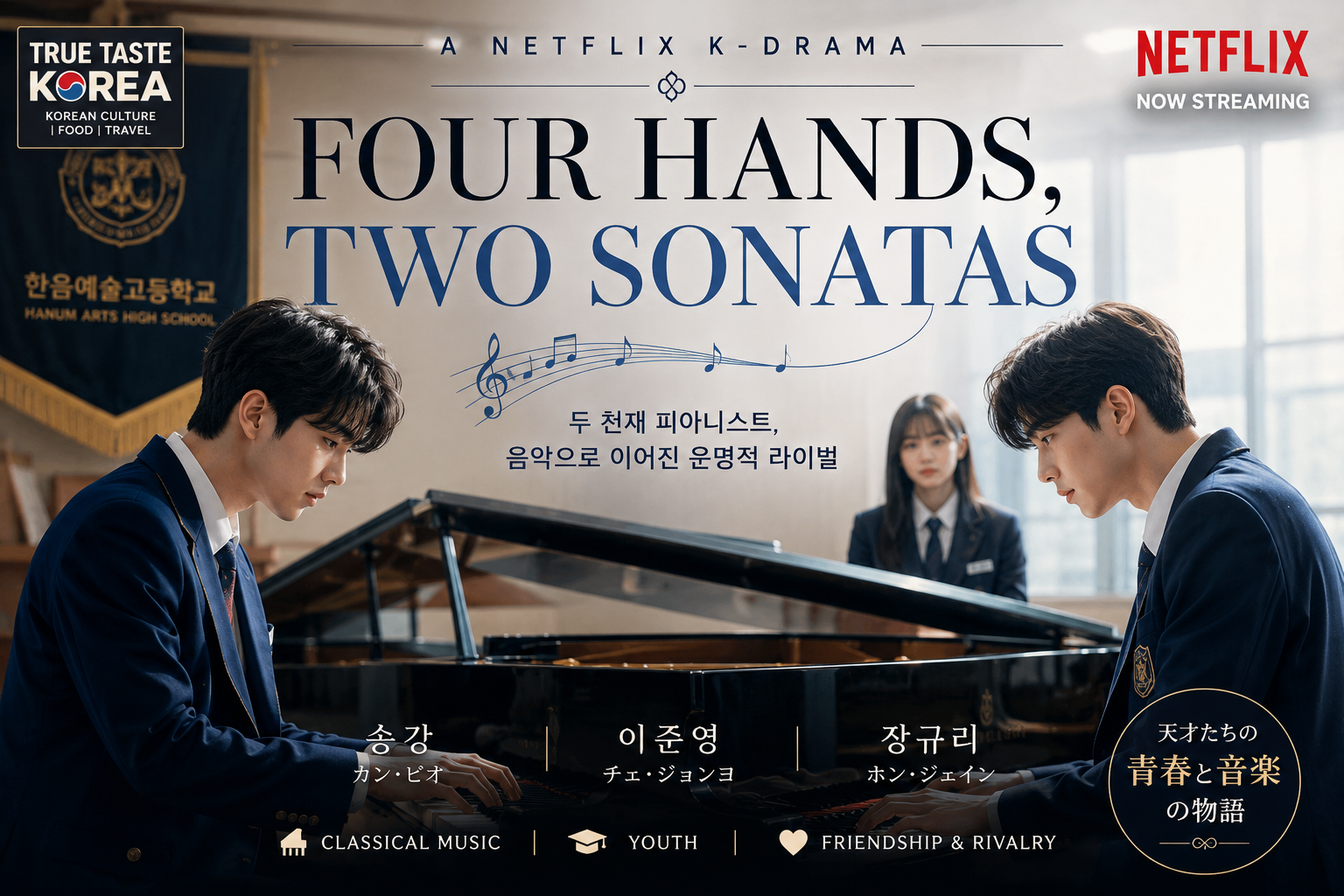
  • Four Hands, Two Sonatas Explained: Talent vs. Hard Work and the Meaning Behind the Piano Rivalry

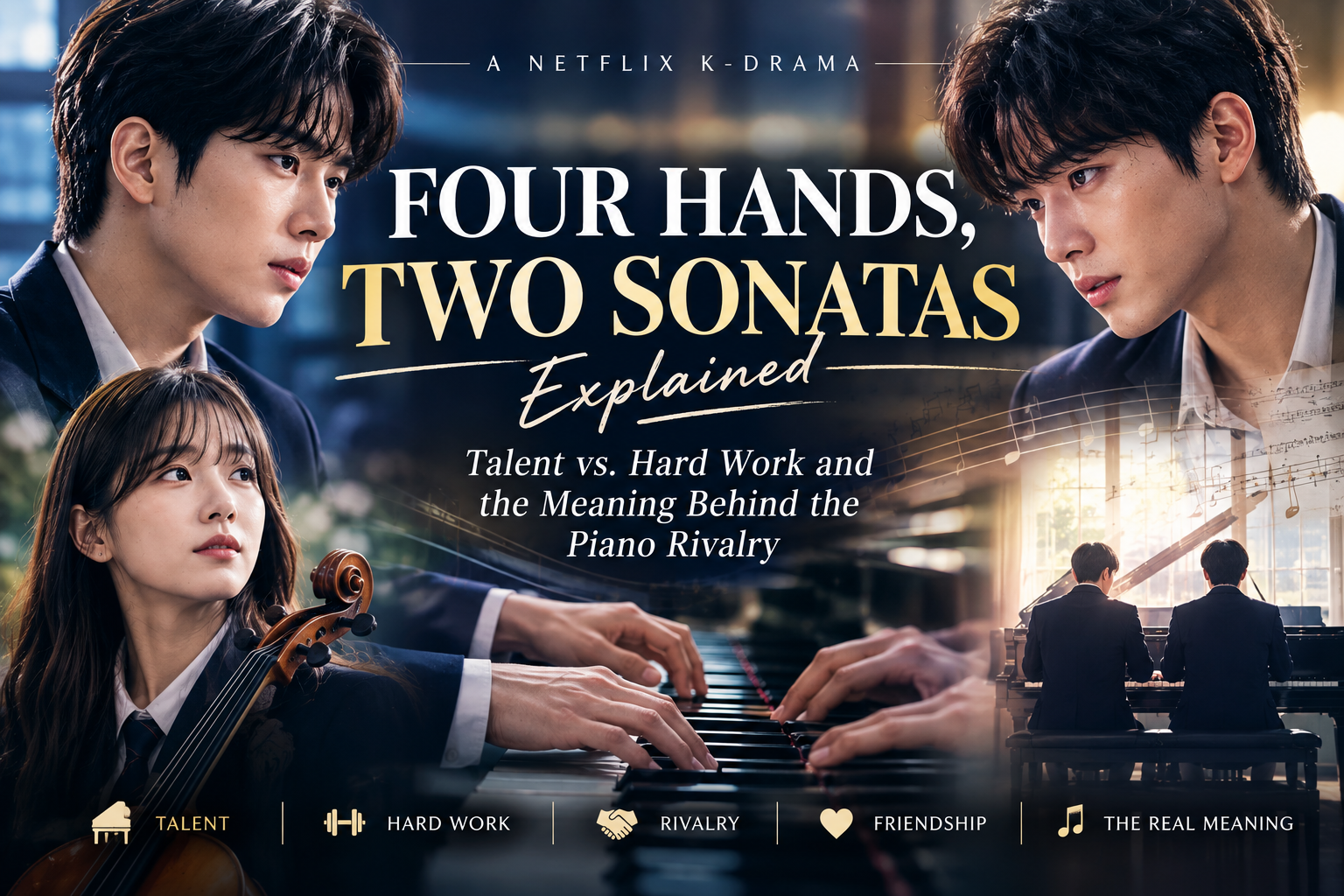
    Four Hands, Two Sonatas Explained: Talent vs. Hard Work and the Meaning Behind the Piano Rivalry

    When two gifted pianists compete, the obvious question is: Who is more talented?

    But Four Hands, Two Sonatas asks something more interesting.

    What happens when a pianist who has spent his entire life pursuing perfection meets someone whose musical ability developed under completely different circumstances?

    Kang Pi-o (Song Kang) has the training, discipline, recognition, and technical control expected of an elite young pianist. Choi Jeong-yo (Lee Jun-young), despite possessing extraordinary musical ability, has been pushed away from the piano by a difficult childhood.

    They are both gifted. Yet they approach music from almost opposite directions.

    At first, their relationship looks like a competition between natural talent and years of practice. But the deeper meaning of the drama is not about deciding which one is the better musician.

    It is about discovering what each person lacksโ€”and why another person may be necessary to overcome it.

    Pi-o has learned to pursue perfection. Jeong-yo reminds him that music must also be felt.

    And through their rivalry, the drama explores a larger idea: sometimes the person challenging your place in the world is also the person who helps you become more complete.

    1. Two Pianists, Two Different Relationships With Music

    The central contrast in Four Hands, Two Sonatas is not simply rich versus poor or disciplined versus naturally gifted.

    It is the difference between two relationships with the same instrument.

    Pi-o has grown up inside a world organized around musical achievement. He is an outstanding student, an accomplished pianist, and someone whose future appears to have been planned around success.

    Jeong-yo has a very different history. He possesses exceptional musical ability, but family hardship forces him to put his dream aside. His relationship with the piano is shaped not only by talent but also by loss and the circumstances that kept him from pursuing music.

    Netflix’s official introduction describes Pi-o as a pianist on a steady path toward perfection and Jeong-yo as a free-spirited talent whose difficult childhood interrupted his musical journey.

    That contrast establishes the drama’s central question:

    Does musical greatness come from perfect technique, natural instinct, emotional expression, or a combination of all three?

    The story gradually suggests that none of these qualities is enough on its own.

    2. Kang Pi-o: The Pianist Who Cannot Afford to Make Mistakes

    At first glance, Kang Pi-o seems to have everything necessary to become a great musician.

    He has talent, education, discipline, and a record of achievement. He is accustomed to being at the top, both academically and musically.

    But his greatest strength also becomes a source of pressure.

    Pi-o has spent so much of his life proving his ability that music begins to feel like a test he must pass repeatedly.

    Every performance becomes an opportunity to demonstrate his worth. Every mistake threatens the image he has worked so hard to maintain.

    This is especially important because Pi-o is not simply trying to become a better pianist.

    He also wants recognition from his grandfather, Kang Seung-woon, a world-renowned conductor and demanding perfectionist.

    The grandfather’s standards are so severe that even Pi-o’s impressive abilities do not automatically earn his approval. His expectations shape the young pianist’s understanding of success and leave him longing for recognition.

    This makes Pi-o’s relationship with music emotionally complicated.

    He loves the piano, but he also carries the burden of what the piano is expected to prove.

    For Pi-o, being excellent is not always the same as feeling fulfilled.

    3. The Problem With Always Being Number One

    Being the best sounds like a position of security.

    But for someone whose identity depends on remaining at the top, it can become a trap.

    If Pi-o is first, he has to protect that position. If another pianist approaches his level, the possibility of losing becomes difficult to ignore.

    That is why Jeong-yo’s arrival affects him so deeply.

    Jeong-yo does not follow the same path. He has not received the same continuous training or enjoyed the same opportunities.

    Yet he possesses something that cannot be measured simply by awards or technical exercises.

    His musical instincts make Pi-o reconsider what excellence actually means.

    The threat is not only that Jeong-yo might become a better pianist.

    It is that Pi-o may have misunderstood what makes someone a great musician.

    His rivalry with Jeong-yo therefore becomes a challenge to his identity, not merely his school ranking.

    4. Choi Jeong-yo: The Talent That Life Interrupted

    Jeong-yo’s story is almost the reverse of Pi-o’s.

    He has an extraordinary gift for music, but his childhood does not provide the stability needed to develop it.

    After losing his mother at a young age, he has to take responsibility for his alcoholic father and becomes the family’s breadwinner while still young.

    The piano remains important to him, but pursuing it as a professional dream becomes increasingly difficult.

    This is a crucial distinction.

    Jeong-yo is not someone who suddenly discovers a hidden talent as a teenager. He is someone whose musical development has been interrupted by circumstances beyond his control.

    That history changes the way he approaches the instrument.

    For Pi-o, music has become connected to achievement and expectations.

    For Jeong-yo, it represents something he once loved but could not freely pursue.

    The piano is both a dream and a reminder of what he has lost.

    Lee Jun-young described Jeong-yo as someone who wants to face the piano but struggles to do so after the difficult experiences that forced him away from it.

    That emotional conflict makes his musical return more meaningful than a conventional story about an undiscovered genius.

    5. Why Jeong-yo Represents Freedom

    Lee Jun-young used the word freedom when describing his character.

    It is an effective way to understand Jeong-yo’s contrast with Pi-o.

    Jeong-yo has not spent his entire life inside the same competitive musical system. His experience is less structured, and his relationship with the piano is shaped by personal feeling as much as formal training.

    This does not mean he has nothing to learn.

    His circumstances have limited the opportunities available to him, and raw ability cannot replace the years of development that a professional pianist needs.

    But his approach offers something different.

    He can remind Pi-o that music is not simply about playing every note correctly.

    It is also about communicating something that cannot be fully explained through technique.

    The contrast is not that Pi-o works while Jeong-yo does not.

    Both have talent. Both need to grow.

    The difference is what each has learnedโ€”and what each still needs to discover.

    6. Talent vs. Hard Work Is the Wrong Question

    It is tempting to divide the two characters into familiar categories:

    • Pi-o represents hard work.
    • Jeong-yo represents natural talent.

    But that interpretation is too simple.

    Pi-o is naturally gifted as well as highly disciplined. Jeong-yo has extraordinary ability, but his return to music also requires effort, adjustment, and renewed commitment.

    The more interesting contrast is between their musical weaknesses.

    Pi-o has developed extraordinary control, but he struggles with the emotional freedom that makes a performance feel personal.

    Jeong-yo has instinctive musical expression, but he has not had the same opportunity to develop his abilities through continuous elite training.

    One has learned to control music.

    The other reminds us why music needs to move people.

    Neither approach is complete.

    This is where the drama moves beyond the familiar question of whether talent or hard work matters more.

    A great musician needs both the ability to master the instrument and the ability to express something through it.

    Pi-o and Jeong-yo are not proof that one path is superior.

    They are two examples of what happens when one important part of musical development is missing.

    7. Why Jeong-yo Is More Than Pi-o’s Rival

    In a conventional competition drama, a rival exists to defeat the protagonist.

    But Jeong-yo’s role is more complicated.

    His arrival forces Pi-o to confront the limitations of his own understanding of music.

    At the same time, Pi-o represents a world that Jeong-yo has struggled to enter: the life of a trained musician with access to education, teachers, and professional opportunities.

    They challenge each other because they possess different strengths.

    But that same difference creates the possibility of mutual growth.

    Jeong-yo can help Pi-o rediscover the emotional side of playing.

    Pi-o can help Jeong-yo confront the musical future he once had to abandon.

    Their rivalry therefore has two directions.

    They are competing against each other, but they are also being changed by each other.

    That is a more meaningful relationship than a simple contest over who deserves first place.

    8. The Meaning of the Title: Why Four Hands Matter

    The title contains one of the drama’s most important ideas.

    In piano terminology, four hands refers to two pianists playing together on a single piano.

    The performers share the keyboard and create one musical performance.

    This requires more than individual ability.

    They must listen to one another, coordinate their timing, understand the other person’s movements, and make room for each other’s part.

    A pianist cannot simply play as if the other person were not there.

    The performance depends on cooperation.

    Director Park Hyun-seok has explained that the title refers to two people traveling through their musical journeys together.

    That explanation connects the musical technique directly to the characters’ development.

    At the beginning, Pi-o and Jeong-yo see each other primarily as competitors.

    They compare their abilities and question who deserves recognition.

    But playing four hands demands a different attitude.

    The question is no longer:

    Can I play better than you?

    It becomes:

    Can we listen to each other well enough to create something together?

    That is the emotional movement at the heart of the title.

    9. Two Sonatas: Two Individual Lives, Not One Identical Path

    The phrase “Two Sonatas” offers another way to think about the relationship.

    A sonata is an independent musical composition. Each has its own structure, development, and character.

    The title can therefore be read symbolically as well as musically.

    Pi-o and Jeong-yo have different histories.

    One has been shaped by expectations and a demanding musical environment. The other has been shaped by hardship and an interrupted dream.

    They do not begin at the same place, and they do not need to become identical.

    Their development is not about one person copying the other.

    Instead, the drama explores whether two people with different musical identities can move forward together.

    This is an important distinction.

    Harmony does not require two people to lose their individuality.

    It requires them to recognize and respect what the other person brings.

    10. Hong Jae-in: The Listener Who Recognizes What Others Miss

    Hong Jae-in, played by Jang Gyu-ri, is more than a character caught between two young pianists.

    She is a viola major with exceptional musical sensitivity, including perfect pitch. Her ability to recognize individual notes helps her identify the unusual qualities of both Pi-o’s and Jeong-yo’s playing.

    Her role is especially interesting because she approaches music from a different position.

    Pi-o and Jeong-yo are performers.

    Jae-in is also a listener.

    She recognizes the value of their music before the two young men fully understand what their differences mean.

    Jang Gyu-ri has explained that music is central to Jae-in’s life. It is both her dream and a source of comfort, and her character is naturally excited when she encounters extraordinary musical talent.

    That makes her an important perspective within the story.

    While Pi-o and Jeong-yo are focused on competition, Jae-in can hear what makes each of them special.

    She does not need to turn their differences into a simple ranking.

    She can appreciate both.

    Her presence reinforces one of the drama’s central ideas: music is not only about the person performing. It is also about the person capable of listening and understanding.

    11. The Adults Around Them: Who Gets to Define Musical Success?

    The young pianists are not developing in isolation.

    Their musical lives are influenced by family members, teachers, and people who hold power within the institution.

    Pi-o’s grandfather represents the uncompromising standards of the classical music world. His mother is deeply invested in her son’s career and wants him to remain at the top.

    Jeong-yo encounters a different set of adult influences. School chairwoman Yoon Sun-joo recognizes his potential and supports his entry into the musical environment he was previously unable to access.

    Pianist Do Hyun-soo also becomes important as a teacher to both young men.

    His role is particularly meaningful because Pi-o and Jeong-yo are not the same kind of student.

    They have different strengths and weaknesses. A teacher who simply demands that both follow an identical path would fail to recognize what makes each musician distinctive.

    The better approach is to help them develop what they lack without destroying what makes them unique.

    That is one of the more valuable ideas in the drama:

    Good teaching should develop individuality, not manufacture identical performers.

    12. Jae-in and the Meaning of Music Beyond Competition

    Jae-in also helps broaden the drama’s understanding of music.

    A performance is not simply a technical demonstration. It is a form of communication.

    The same piece can sound different depending on the musician’s emotional state, interpretation, and experience.

    Jang Gyu-ri discussed this while explaining her preparation for the role. She observed that classical music has no lyrics, allowing the same composition to be expressed differently depending on the performer’s condition and state of mind.

    She compared this to acting: the same script can produce a different result depending on the person delivering it.

    That observation fits the drama particularly well.

    Pi-o and Jeong-yo may play the same notes, but the music they create can communicate different things.

    The score provides the structure.

    The performer gives it a voice.

    And the listener completes the experience by responding to what is heard.

    This is why Jae-in’s musical sensitivity matters. She represents the emotional connection between the performance and the person receiving it.

    13. The Actors Had to Learn the Physical Language of Music

    The musical performances also required preparation from the cast.

    Song Kang revealed that he began taking piano lessons several months before filming. Lee Jun-young explained that he had less experience playing the instrument and concentrated on memorizing the required movements and musical passages.

    Jang Gyu-ri practiced the viola, listened extensively to classical music, and attended performances to develop her understanding of the musical world surrounding her character.

    These details matter because music is not expressed through dialogue alone.

    The movement of the hands, the position of the body, the timing of a performance, and the emotional response to the instrument all contribute to the credibility of a music drama.

    The actors had to understand enough of that physical language to make their characters believable.

    Their preparation also reflects the distinction between the characters themselves.

    Pi-o’s performances demand control and precision.

    Jeong-yo’s musical identity depends on a different kind of expression.

    Jae-in’s role requires the sensitivity of someone who listens closely.

    The music is therefore not just background decoration. It is part of the characters’ identities.

    14. What the Rivalry Says About Korean Competition

    There is another reason Pi-o’s story can feel familiar to Korean viewers.

    The pressure to achieve is deeply recognizable.

    Students compete for grades and university places. Young professionals compete for limited opportunities. Artists compete for recognition, auditions, and positions.

    In such an environment, success can become more than an achievement.

    It can become a measure of personal worth.

    Pi-o embodies that pressure.

    He has learned to pursue excellence, but he also struggles with the expectation that he must always remain exceptional.

    Jeong-yo represents a different problem: what happens when someone has ability but lacks the circumstances needed to develop it?

    Their situations are not identical, but both reveal the limits of judging people only by their visible achievements.

    One person may have every opportunity and still feel trapped.

    Another may have extraordinary potential but struggle to find a way forward.

    The drama asks viewers to look beyond rankings and consider what each person has experienced.

    That is why the rivalry can speak to people who have never touched a piano.

    It is ultimately about the pressure to prove yourself and the difficulty of discovering what you actually want.

    15. The Real Genius May Be the Person Who Learns From Someone Else

    So who is the greater genius: Pi-o or Jeong-yo?

    The most satisfying answer is that both are gifted, but neither has everything the other can offer.

    Pi-o has discipline, technique, and an environment that has trained him to pursue perfection.

    Jeong-yo has instinct, emotional expression, and a relationship with music shaped by hardship.

    Their differences create conflict, but they also create the possibility of growth.

    The important change is not simply that one becomes better than the other.

    It is that both begin to understand what they could not learn alone.

    A rival can expose your weaknesses.

    A friend can help you face them.

    And sometimes those two roles belong to the same person.


    The Deeper Meaning of Four Hands, Two Sonatas

    For me, the central message of Four Hands, Two Sonatas is not that talent and hard work should be balanced in equal amounts.

    It is that excellence becomes more meaningful when it is connected to something beyond personal achievement.

    Pi-o has spent years learning how to become an outstanding pianist. Jeong-yo has spent years struggling to return to the music he loves.

    Their paths are different, but both have something to learn from the other.

    The title captures that idea beautifully.

    Four hands cannot create a shared performance if each pianist only listens to himself.

    They must coordinate, adjust, and recognize the presence of another person.

    But they do not have to become the same musician.

    They can remain two individuals, with different histories and different musical identities, while creating something together.

    That is the real significance of the title.

    You can pursue excellence on your own. But some kinds of harmony are impossible without another person.

    And perhaps that is the most universal lesson of this piano rivalry.

    The person sitting beside you does not always have to be someone you defeat.

    Sometimes, that person is the one who helps you discover what you were missing.


    Related Reading

    If you are new to the drama, read our first article introducing the story, its characters, and its international appeal:

    Four Hands, Two Sonatas: Why This K-Drama Could Be a Global Hit

    Official and Further Reading

  • ใ€ŽFour Hands, Two Sonatasใ€ใฏ้ข็™ฝใ„๏ผŸใ‚ฝใƒณใƒปใ‚ฌใƒณร—ใ‚คใƒปใ‚ธใƒฅใƒ‹ใƒงใƒณใ€้Ÿณๆฅฝใงๆใๆ–ฐใ—ใ„้Ÿ“ๅ›ฝใƒ‰ใƒฉใƒž

    ใ€ŽFour Hands, Two Sonatasใ€ใฏ้ข็™ฝใ„๏ผŸใ‚ฝใƒณใƒปใ‚ฌใƒณร—ใ‚คใƒปใ‚ธใƒฅใƒ‹ใƒงใƒณใ€้Ÿณๆฅฝใงๆใๆ–ฐใ—ใ„้Ÿ“ๅ›ฝใƒ‰ใƒฉใƒž

    ้Ÿ“ๅ›ฝใƒ‰ใƒฉใƒžใจ่žใ„ใฆใ€ใฉใ‚“ใชไฝœๅ“ใ‚’ๆ€ใ„ๆตฎใ‹ในใ‚‹ใงใ—ใ‚‡ใ†ใ‹ใ€‚

    ๅพฉ่ฎใ€็Šฏ็ฝชใ€ใ‚ตใƒใ‚คใƒใƒซใ€ใ‚พใƒณใƒ“ใ€ใใ—ใฆไบˆๆƒณใ‚’่ฃๅˆ‡ใ‚‹่กๆ’ƒ็š„ใชๅฑ•้–‹ใ€‚ไธ–็•Œไธญใงไบบๆฐ—ใ‚’้›†ใ‚ใ‚‹Kใƒ‰ใƒฉใƒžใซใฏใ€่ฆ–่ด่€…ใ‚’ไธ€ๆฐ—ใซๅผ•ใ่พผใ‚€ๅผท็ƒˆใชไฝœๅ“ใŒๆ•ฐๅคšใใ‚ใ‚Šใพใ™ใ€‚

    ใ—ใ‹ใ—ใ€Netflixใง้…ไฟกใ•ใ‚Œใฆใ„ใ‚‹้Ÿ“ๅ›ฝใƒ‰ใƒฉใƒž**ใ€ŽFour Hands, Two Sonatasใ€**ใฏใ€ๅฐ‘ใ—้•ใฃใŸ้ญ…ๅŠ›ใ‚’ๆŒใคไฝœๅ“ใงใ™ใ€‚

    ็‰ฉ่ชžใฎไธญๅฟƒใซใ‚ใ‚‹ใฎใฏใ€้Šƒใงใ‚‚ๅพฉ่ฎใงใ‚‚ใ‚ใ‚Šใพใ›ใ‚“ใ€‚

    ไธ€ๅฐใฎใƒ”ใ‚ขใƒŽใจใ€ไบŒไบบใฎ่‹ฅใ„ใƒ”ใ‚ขใƒ‹ใ‚นใƒˆใงใ™ใ€‚

    ใ‚ฝใƒณใƒปใ‚ฌใƒณใจใ‚คใƒปใ‚ธใƒฅใƒ‹ใƒงใƒณใŒๆผ”ใ˜ใ‚‹ใฎใฏใ€่‚ฒใฃใŸ็’ฐๅขƒใ‚‚้Ÿณๆฅฝใธใฎๅ‘ใๅˆใ„ๆ–นใ‚‚็•ฐใชใ‚‹ไบŒไบบใฎ้’ๅนดใ€‚่ˆžๅฐใฏใ€ๆ‰่ƒฝใ‚ใ‚‹่‹ฅ่€…ใŸใกใŒ้›†ใพใ‚‹้Ÿ“ๅ›ฝใฎ่Šธ่ก“้ซ˜ๆ กใงใ™ใ€‚

    ๅ‹ๆƒ…ใ€็ซถไบ‰ใ€ๅซ‰ๅฆฌใ€ๆ‰่ƒฝใธใฎไธๅฎ‰ใ€ใใ—ใฆ่‡ชๅˆ†ใ ใ‘ใฎ้Ÿณๆฅฝใ‚’่ฆ‹ใคใ‘ใ‚ˆใ†ใจใ™ใ‚‹่‘›่—คใ€‚

    ไธ€่ฆ‹ใ™ใ‚‹ใจ้™ใ‹ใช้’ๆ˜ฅใƒ‰ใƒฉใƒžใงใ™ใŒใ€ใใฎๅ†…ๅดใซใฏใ€่ชฐใ‹ใจ่‡ชๅˆ†ใ‚’ๆฏ”ในใšใซใฏใ„ใ‚‰ใ‚Œใชใ„่‹ฅ่€…ใŸใกใฎๆฟ€ใ—ใ„ๆ„Ÿๆƒ…ใŒๆใ‹ใ‚Œใฆใ„ใพใ™ใ€‚

    ใ“ใฎ่จ˜ไบ‹ใงใฏใ€ใ€ŽFour Hands, Two Sonatasใ€ใŒใฉใ‚“ใชไฝœๅ“ใชใฎใ‹ใ€ไธป่ฆใ‚ญใƒฃใƒฉใ‚ฏใ‚ฟใƒผใฎ้ญ…ๅŠ›ใ‚„ใ€ๆตทๅค–ใฎ่ฆ–่ด่€…ใซใ‚‚ๆณจ็›ฎใ—ใฆใปใ—ใ„ใƒใ‚คใƒณใƒˆใ‚’็ดนไป‹ใ—ใพใ™ใ€‚

    1. ใ€ŽFour Hands, Two Sonatasใ€ใจใฏใฉใ‚“ใชใƒ‰ใƒฉใƒž๏ผŸ

    ใ€ŽFour Hands, Two Sonatasใ€ใฏใ€้Ÿ“ๅ›ฝใฎ่Šธ่ก“้ซ˜ๆ กใ‚’่ˆžๅฐใซใ€้Ÿณๆฅฝใ‚’้€šใ˜ใฆๅ‡บไผšใฃใŸ่‹ฅ่€…ใŸใกใฎๅ‹ๆƒ…ใ€ๆ‹ๆ„›ใ€็ซถไบ‰ใ€ๆˆ้•ทใ‚’ๆใ้Ÿ“ๅ›ฝใƒ‰ใƒฉใƒžใงใ™ใ€‚

    ็‰ฉ่ชžใฎไธญๅฟƒใจใชใ‚‹ใฎใฏใ€ไบŒไบบใฎใƒ”ใ‚ขใƒŽๅฐ‚ๆ”ป็”Ÿใ€‚

    • ใ‚ซใƒณใƒปใƒ”ใ‚ช๏ผˆใ‚ฝใƒณใƒปใ‚ฌใƒณ๏ผ‰
    • ใƒใ‚งใƒปใ‚ธใƒงใƒณใƒจ๏ผˆใ‚คใƒปใ‚ธใƒฅใƒ‹ใƒงใƒณ๏ผ‰

    ไบŒไบบใฏๅŒใ˜ใƒ”ใ‚ขใƒŽใ‚’ๅญฆใณใชใŒใ‚‰ใ€ใพใฃใŸใ็•ฐใชใ‚‹้“ใ‚’ๆญฉใ‚“ใงใใพใ—ใŸใ€‚

    ใƒ”ใ‚ชใฏๅนผใ„้ ƒใ‹ใ‚‰ๅ„ชใ‚ŒใŸ็’ฐๅขƒใง้Ÿณๆฅฝใ‚’ๅญฆใณใ€ๅŠชๅŠ›ใจ่ฆๅพ‹ใซใ‚ˆใฃใฆๅฎŸๅŠ›ใ‚’็ฃจใ„ใฆใใŸใ‚จใƒชใƒผใƒˆใงใ™ใ€‚

    ไธ€ๆ–นใฎใ‚ธใƒงใƒณใƒจใฏใ€่ค‡้›‘ใชๅฎถๅบญ็’ฐๅขƒใชใฉใซใ‚ˆใฃใฆ้Ÿณๆฅฝใ‹ใ‚‰้›ขใ‚Œใฆใ„ใŸๆ™‚ๆœŸใŒใ‚ใ‚ŠใชใŒใ‚‰ใ€ๅผทใ„ๆ„Ÿๆ€งใจๅคฉๆ€งใฎๆ‰่ƒฝใ‚’ๆŒใค้’ๅนดใงใ™ใ€‚

    ใใ‚“ใชไบŒไบบใŒๅ‡บไผšใ†ใ“ใจใงใ€ใใ‚Œใพใงๅฝ“ใŸใ‚Šๅ‰ใ ใฃใŸใƒ”ใ‚ชใฎ้Ÿณๆฅฝไบบ็”ŸใŒๅคงใใๆบใ‚Œๅง‹ใ‚ใพใ™ใ€‚

    Netflixใฎๅ…ฌๅผ็ดนไป‹ใงใ‚‚ใ€็•ฐใชใ‚‹ไธ–็•Œใง่‚ฒใฃใŸไบŒไบบใฎ่‹ฅใ„ใƒ”ใ‚ขใƒ‹ใ‚นใƒˆใŒๅ้–€้Ÿณๆฅฝ้ซ˜ๆ กใงๅ‡บไผšใ„ใ€ไบ’ใ„ใฎไบบ็”Ÿใ‚’ๆทฑใ็ตใณใคใ‘ใฆใ„ใ็‰ฉ่ชžใจใ—ใฆ็ดนไป‹ใ•ใ‚Œใฆใ„ใพใ™ใ€‚

    2. ใ€ŒFour Handsใ€ใจใ„ใ†ใ‚ฟใ‚คใƒˆใƒซใซใฏใฉใ‚“ใชๆ„ๅ‘ณใŒใ‚ใ‚‹๏ผŸ

    ใ“ใฎใƒ‰ใƒฉใƒžใ‚’็†่งฃใ™ใ‚‹ใ†ใˆใงใ€็ŸฅใฃใฆใŠใใŸใ„้Ÿณๆฅฝ็”จ่ชžใŒใ‚ใ‚Šใพใ™ใ€‚

    ใใ‚ŒใŒ**Four Hands๏ผˆใƒ•ใ‚ฉใƒผใƒใƒณใ‚บ๏ผ‰**ใงใ™ใ€‚

    ใƒ”ใ‚ขใƒŽใฎไธ–็•Œใงใฏใ€ไธ€ๅฐใฎใƒ”ใ‚ขใƒŽใ‚’ไบŒไบบใฎๆผ”ๅฅ่€…ใŒไธ€็ท’ใซๅผพใๆผ”ๅฅๅฝขๅผใ‚’ใ€Œ้€ฃๅผพใ€ใจๅ‘ผใณใพใ™ใ€‚

    ไธ€ๅฐใฎใƒ”ใ‚ขใƒŽใซไบŒไบบใŒๅ‘ใ‹ใ„ๅˆใ„ใ€ๅ››ๆœฌใฎๆ‰‹ใงไธ€ใคใฎ้Ÿณๆฅฝใ‚’ไฝœใ‚ŠไธŠใ’ใ‚‹ใฎใงใ™ใ€‚

    ใ“ใ“ใซใฏใ€ใ“ใฎใƒ‰ใƒฉใƒžใฎไบบ้–“้–ขไฟ‚ใ‚’่€ƒใˆใ‚‹ใ†ใˆใง่ˆˆๅ‘ณๆทฑใ„่ฑกๅพดใŒใ‚ใ‚Šใพใ™ใ€‚

    ใƒ”ใ‚ชใจใ‚ธใƒงใƒณใƒจใฏใ€ๅŒใ˜ใƒ”ใ‚ขใƒŽใ‚’ๅญฆใถไปฒ้–“ใงใ‚ใ‚ŠใชใŒใ‚‰ใ€้Ÿณๆฅฝใซๅฏพใ™ใ‚‹่€ƒใˆๆ–นใ‚‚ใ€ๆ‰่ƒฝใฎ่กจใ‚Œๆ–นใ‚‚็•ฐใชใ‚Šใพใ™ใ€‚

    ็›ธๆ‰‹ใ‚’่ชใ‚ใ‚Œใฐใ€่‡ชๅˆ†ใฎๆœช็†Ÿใ•ใŒ่ฆ‹ใˆใฆใ—ใพใ†ใ€‚

    ็›ธๆ‰‹ใซ่ฒ ใ‘ใŸใใชใ„ใจๆ€ใˆใฐใ€้Ÿณๆฅฝใใฎใ‚‚ใฎใ‚’ๆฅฝใ—ใ‚ใชใใชใ‚‹ใ“ใจใ‚‚ใ‚ใ‚‹ใ€‚

    ใใ‚Œใงใ‚‚ใ€็›ธๆ‰‹ใฎๅญ˜ๅœจใŒใชใ‘ใ‚Œใฐๆฐ—ใฅใ‘ใชใ‹ใฃใŸ่‡ชๅˆ†ใฎๅฏ่ƒฝๆ€งใŒใ‚ใ‚Šใพใ™ใ€‚

    ไธ€ไบบใงใฏ็”Ÿใฟๅ‡บใ›ใชใ„้Ÿณๆฅฝใ‚’ใ€ไบŒไบบใงไฝœใ‚ŠไธŠใ’ใ‚‹ใ€‚

    ใ‚ฟใ‚คใƒˆใƒซใซใฏใ€ใใ‚“ใชไบŒไบบใฎ้–ขไฟ‚ใ‚’้‡ใญใฆ่ฆ‹ใ‚‹ใ“ใจใŒใงใใพใ™ใ€‚

    3. ใ‚ฝใƒณใƒปใ‚ฌใƒณๆผ”ใ˜ใ‚‹ใ‚ซใƒณใƒปใƒ”ใ‚ชโ€•โ€•ๅฎŒ็’งใ‚’ๆฑ‚ใ‚็ถšใ‘ใ‚‹ใ‚จใƒชใƒผใƒˆ

    ใ‚ฝใƒณใƒปใ‚ฌใƒณใŒๆผ”ใ˜ใ‚‹ใ‚ซใƒณใƒปใƒ”ใ‚ชใฏใ€ๅ„ชใ‚ŒใŸๅฎŸๅŠ›ใ‚’ๆŒใคใƒ”ใ‚ขใƒ‹ใ‚นใƒˆใงใ™ใ€‚

    ๅนผใ„้ ƒใ‹ใ‚‰้Ÿณๆฅฝใซๆ‰“ใก่พผใฟใ€ๅŽณใ—ใ„็ทด็ฟ’ใ‚’้‡ใญใฆใใพใ—ใŸใ€‚ๅ‘จๅ›ฒใ‹ใ‚‰ใ‚‚ๅฐ†ๆฅใ‚’ๆœŸๅพ…ใ•ใ‚Œใ€ๅญฆๆฅญใจๆผ”ๅฅใฎไธก้ขใง้ซ˜ใ„่ฉ•ไพกใ‚’ๅ—ใ‘ใฆใ„ใพใ™ใ€‚

    ใ—ใ‹ใ—ใ€ๅฝผใฎไบบ็”Ÿใฏๆฑบใ—ใฆๆฅฝใชใ‚‚ใฎใงใฏใ‚ใ‚Šใพใ›ใ‚“ใ€‚

    ใƒ”ใ‚ชใซใจใฃใฆใ€้Ÿณๆฅฝใฏๅ˜ใชใ‚‹่ถฃๅ‘ณใงใฏใชใใ€่‡ชๅˆ†ใฎไพกๅ€คใ‚’่จผๆ˜Žใ™ใ‚‹ๅคงๅˆ‡ใชใ‚‚ใฎใงใ™ใ€‚

    ใ ใ‹ใ‚‰ใ“ใใ€ๅคฑๆ•—ใ‚’ๆใ‚Œใพใ™ใ€‚

    ๅฐ‘ใ—ใงใ‚‚ๆผ”ๅฅใŒๅดฉใ‚Œใ‚Œใฐใ€่‡ชๅˆ†ใฎๅŠชๅŠ›ใใฎใ‚‚ใฎใŒๅฆๅฎšใ•ใ‚ŒใŸใ‚ˆใ†ใซๆ„Ÿใ˜ใฆใ—ใพใ†ใ€‚่ชฐใ‹ใซ่ฟฝใ„ๆŠœใ‹ใ‚Œใ‚‹ใ“ใจใฏใ€ๅ˜ใซ้ †ไฝใ‚’ๅคฑใ†ใ“ใจไปฅไธŠใฎๆ„ๅ‘ณใ‚’ๆŒใฃใฆใ„ใพใ™ใ€‚

    ใ“ใ“ใงๆณจ็›ฎใ—ใŸใ„ใฎใฏใ€ใƒ”ใ‚ชใŒๆŒใคใ€Œๆ‰่ƒฝใ€ใจใ€Œไธๅฎ‰ใ€ใฎ้–ขไฟ‚ใงใ™ใ€‚

    ๅ‘จๅ›ฒใ‹ใ‚‰่ฆ‹ใ‚Œใฐใ€ๅฝผใฏๆตใพใ‚ŒใŸๅคฉๆ‰ใ‹ใ‚‚ใ—ใ‚Œใพใ›ใ‚“ใ€‚ใ—ใ‹ใ—ๆœฌไบบใซใจใฃใฆใฏใ€ๅ„ช็ง€ใงใ‚ใ‚Š็ถšใ‘ใ‚‹ใ“ใจใŒๅคงใใชใƒ—ใƒฌใƒƒใ‚ทใƒฃใƒผใซใชใฃใฆใ„ใพใ™ใ€‚

    ๆ‰่ƒฝใŒใ‚ใ‚‹ใ‹ใ‚‰่‹ฆใ—ใพใชใ„ใฎใงใฏใชใใ€ๆ‰่ƒฝใŒใ‚ใ‚‹ใจๆœŸๅพ…ใ•ใ‚Œใ‚‹ใ‹ใ‚‰ใ“ใ่‹ฆใ—ใ„ใ€‚

    ใƒ”ใ‚ชใจใ„ใ†ไบบ็‰ฉใฎ้ข็™ฝใ•ใฏใ€ใ“ใฎ็Ÿ›็›พใซใ‚ใ‚Šใพใ™ใ€‚

    4. ใ‚คใƒปใ‚ธใƒฅใƒ‹ใƒงใƒณๆผ”ใ˜ใ‚‹ใƒใ‚งใƒปใ‚ธใƒงใƒณใƒจโ€•โ€•่‡ช็”ฑใชๆ„Ÿๆ€งใ‚’ๆŒใคใƒ”ใ‚ขใƒ‹ใ‚นใƒˆ

    ใƒ”ใ‚ชใฎๅ‰ใซ็พใ‚Œใ‚‹ใฎใŒใ€ใ‚คใƒปใ‚ธใƒฅใƒ‹ใƒงใƒณๆผ”ใ˜ใ‚‹ใƒใ‚งใƒปใ‚ธใƒงใƒณใƒจใงใ™ใ€‚

    ใ‚ธใƒงใƒณใƒจใฏใ€ใƒ”ใ‚ชใจใฏ็•ฐใชใ‚‹็’ฐๅขƒใง่‚ฒใฃใฆใใพใ—ใŸใ€‚

    ้Ÿณๆฅฝใฎๆ‰่ƒฝใ‚’ๆŒใกใชใŒใ‚‰ใ‚‚ใ€ๅ€‹ไบบ็š„ใชไบ‹ๆƒ…ใซใ‚ˆใฃใฆใƒ”ใ‚ขใƒŽใ‹ใ‚‰้›ขใ‚Œใฆใ„ใŸๆ™‚้–“ใŒใ‚ใ‚Šใพใ™ใ€‚

    ใ—ใ‹ใ—ใ€ๅฝผใฎไธญใซใฏ้Ÿณๆฅฝใซๅฏพใ™ใ‚‹่‡ช็„ถใชๆ„Ÿ่ฆšใŒๆฎ‹ใฃใฆใ„ใพใ™ใ€‚

    ใƒ”ใ‚ชใŒ็ทด็ฟ’ใจ่ฆๅพ‹ใซใ‚ˆใฃใฆๅฎŒๆˆๅบฆใ‚’้ซ˜ใ‚ใฆใใŸใ‚ฟใ‚คใƒ—ใชใ‚‰ใ€ใ‚ธใƒงใƒณใƒจใฏๆ„Ÿๆ€งใ‚„ๆœฌ่ƒฝใ‚’็”Ÿใ‹ใ—ใฆๆผ”ๅฅใ™ใ‚‹ใ‚ฟใ‚คใƒ—ใงใ™ใ€‚

    ใ‚‚ใกใ‚ใ‚“ใ€ใ“ใ‚Œใฏๅ˜็ด”ใซใ€ŒๅŠชๅŠ›ใ™ใ‚‹ไบบใ€ใจใ€Œๆ‰่ƒฝใ ใ‘ใงๅผพใไบบใ€ใจใ„ใ†ๅฏพ็ซ‹ใงใฏใ‚ใ‚Šใพใ›ใ‚“ใ€‚

    ใ‚ธใƒงใƒณใƒจใซใ‚‚ๅฝผ่‡ช่บซใฎ่‹ฆใ—ใฟใŒใ‚ใ‚Šใ€้Ÿณๆฅฝใซๆˆปใ‚‹ใ“ใจใฏ็ฐกๅ˜ใช้ธๆŠžใงใฏใ‚ใ‚Šใพใ›ใ‚“ใ€‚

    ไธ€ๆ–นใงใ€ๅฝผใฎ่‡ช็”ฑใชๆผ”ๅฅใฏใ€ๆญฃ็ขบใ•ใ‚’่ฟฝๆฑ‚ใ—ใฆใใŸใƒ”ใ‚ชใซๆ–ฐใ—ใ„็–‘ๅ•ใ‚’ๆŠ•ใ’ใ‹ใ‘ใพใ™ใ€‚

    ้Ÿณๆฅฝใฏใ€ๆฅฝ่ญœใฉใŠใ‚ŠใซๅฎŒ็’งใซๆผ”ๅฅใ™ใ‚‹ใ“ใจใ ใ‘ใŒๆญฃ่งฃใชใฎใ‹ใ€‚

    ่ดใไบบใฎๅฟƒใ‚’ๅ‹•ใ‹ใ™ๆผ”ๅฅใซใฏใ€ไฝ•ใŒๅฟ…่ฆใชใฎใ‹ใ€‚

    ใ‚ธใƒงใƒณใƒจใฎๅญ˜ๅœจใฏใ€ใƒ”ใ‚ชใŒไฟกใ˜ใฆใใŸ้Ÿณๆฅฝใฎไพกๅ€ค่ฆณใ‚’ๆบใ•ใถใฃใฆใ„ใใพใ™ใ€‚

    5. ใƒใƒฃใƒณใƒปใ‚ฎใƒฅใƒชๆผ”ใ˜ใ‚‹ใƒ›ใƒณใƒปใ‚ธใ‚งใ‚คใƒณโ€•โ€•ไบŒไบบใ‚’ใคใชใใƒดใ‚ฃใ‚ชใƒฉๅฅ่€…

    ใ‚‚ใ†ไธ€ไบบใ€็‰ฉ่ชžใฎ้‡่ฆใชไบบ็‰ฉใŒใƒ›ใƒณใƒปใ‚ธใ‚งใ‚คใƒณใงใ™ใ€‚

    ๆผ”ใ˜ใ‚‹ใฎใฏใƒใƒฃใƒณใƒปใ‚ฎใƒฅใƒชใ€‚

    ใ‚ธใ‚งใ‚คใƒณใฏใƒ”ใ‚ขใƒŽๅฐ‚ๆ”ปใงใฏใชใใ€ใƒดใ‚ฃใ‚ชใƒฉใ‚’ๅฐ‚ๆ”ปใ™ใ‚‹ๅญฆ็”Ÿใงใ™ใ€‚

    ใƒ”ใ‚ชใฎๅนผใชใ˜ใฟใงใ‚‚ใ‚ใ‚‹ๅฝผๅฅณใฏใ€้Ÿณๆฅฝใซๅฏพใ™ใ‚‹็นŠ็ดฐใชๆ„Ÿ่ฆšใ‚’ๆŒใฃใฆใ„ใพใ™ใ€‚

    ใƒ”ใ‚ชใจใ‚ธใƒงใƒณใƒจใฏใ€ๅŒใ˜ใƒ”ใ‚ขใƒŽใ‚’ๅญฆใณใชใŒใ‚‰ใ‚‚ใ€ใพใฃใŸใ็•ฐใชใ‚‹้Ÿณๆฅฝใ‚’่กจ็พใ—ใพใ™ใ€‚

    ใ‚ธใ‚งใ‚คใƒณใฏไบŒไบบใฎๆผ”ๅฅใ‚’่ดใใ€ใใ‚Œใžใ‚Œใฎ้ญ…ๅŠ›ใ‚„้•ใ„ใ‚’ๆ„Ÿใ˜ๅ–ใ‚‹ๅญ˜ๅœจใงใ™ใ€‚

    ใ“ใฎใ‚ญใƒฃใƒฉใ‚ฏใ‚ฟใƒผใŒใ„ใ‚‹ใ“ใจใงใ€็‰ฉ่ชžใฏๅ˜็ด”ใชไบŒไบบใฎใƒฉใ‚คใƒใƒซ้–ขไฟ‚ใ ใ‘ใงใฏใชใใชใ‚Šใพใ™ใ€‚

    ๅ‹ๆƒ…ใ‚„ๆ‹ๆ„›ๆ„Ÿๆƒ…ใ€ไบ’ใ„ใธใฎ็†่งฃใ€ใใ—ใฆ้Ÿณๆฅฝใ‚’้€šใ˜ใŸไบบ้–“้–ขไฟ‚ใŒ่ค‡้›‘ใซ็ตกใฟๅˆใฃใฆใ„ใใพใ™ใ€‚

    ใพใŸใ€ใƒใƒฃใƒณใƒปใ‚ฎใƒฅใƒชใฏใ‚ฌใƒผใƒซใ‚บใ‚ฐใƒซใƒผใƒ—fromis_9ใฎๅ…ƒใƒกใƒณใƒใƒผใจใ—ใฆใ‚‚็Ÿฅใ‚‰ใ‚Œใฆใ„ใพใ™ใ€‚ใ‚ขใ‚คใƒ‰ใƒซๆดปๅ‹•ใ‚’็ตŒใฆๅฅณๅ„ชใจใ—ใฆๆดป่บใ™ใ‚‹ๅฝผๅฅณใŒใ€้Ÿณๆฅฝใ‚’้กŒๆใซใ—ใŸไฝœๅ“ใงใฉใฎใ‚ˆใ†ใชๅญ˜ๅœจๆ„Ÿใ‚’่ฆ‹ใ›ใ‚‹ใฎใ‹ใ‚‚ๆณจ็›ฎใƒใ‚คใƒณใƒˆใงใ™ใ€‚

    6. ้Ÿ“ๅ›ฝใฎ่Šธ่ก“้ซ˜ๆ กใจใ„ใ†่ˆžๅฐใŒ้ข็™ฝใ„็†็”ฑ

    ๆตทๅค–ใฎ่ฆ–่ด่€…ใซใจใฃใฆใ€้Ÿ“ๅ›ฝใฎ่Šธ่ก“้ซ˜ๆ กใจใ„ใ†่ˆžๅฐใ‚‚่ˆˆๅ‘ณๆทฑใ„้ƒจๅˆ†ใงใ—ใ‚‡ใ†ใ€‚

    ไธ€่ˆฌ็š„ใช้ซ˜ๆ ก็”Ÿๆดปใจใฏ็•ฐใชใ‚Šใ€่Šธ่ก“้ซ˜ๆ กใงใฏ้Ÿณๆฅฝใ‚„็พŽ่ก“ใ€่ˆž่ธŠใชใฉใ€ใใ‚Œใžใ‚Œใฎๅฐ‚้–€ๅˆ†้‡Žใ‚’ๅญฆใถ็”Ÿๅพ’ใŸใกใŒ้›†ใพใ‚Šใพใ™ใ€‚

    ใ“ใฎใƒ‰ใƒฉใƒžใงใฏใ€้Ÿณๆฅฝใฎๆ‰่ƒฝใŒ่ฉ•ไพกใ•ใ‚Œใ‚‹็’ฐๅขƒใŒๆใ‹ใ‚Œใฆใ„ใพใ™ใ€‚

    ใ—ใ‹ใ—ใ€ๆ‰่ƒฝใ‚’่ชใ‚ใ‚‰ใ‚Œใ‚‹ใ“ใจใฏใ€ๅฟ…ใšใ—ใ‚‚ๅนธใ›ใซใคใชใŒใ‚‹ใ‚ใ‘ใงใฏใ‚ใ‚Šใพใ›ใ‚“ใ€‚

    ๅ‘จๅ›ฒใซใฏ่‡ชๅˆ†ใจๅŒใ˜ใ‚ˆใ†ใซๆ‰่ƒฝใ‚’ๆŒใคไบบ้–“ใŒใ„ใ‚‹ใ€‚

    ๅ…ˆ็”Ÿใ‚„ๅฎถๆ—ใ‹ใ‚‰ๆœŸๅพ…ใ•ใ‚Œใ‚‹ใ€‚

    ๅฐ†ๆฅใฎ้€ฒ่ทฏใ‚„ใ‚ณใƒณใ‚ฏใƒผใƒซใฎ็ตๆžœใŒใ€่‡ชๅˆ†ใฎไพกๅ€คใ‚’ๆฑบใ‚ใ‚‹ใ‚ˆใ†ใซๆ„Ÿใ˜ใ‚‹ใ“ใจใ‚‚ใ‚ใ‚‹ใ€‚

    ใ“ใ†ใ—ใŸ็’ฐๅขƒใงใฏใ€ๅ‹ไบบใฏๅŒๆ™‚ใซใƒฉใ‚คใƒใƒซใซใ‚‚ใชใ‚Šใพใ™ใ€‚

    ็›ธๆ‰‹ใฎๆˆๅŠŸใ‚’ๅ–œใณใŸใ„ใฎใซใ€่‡ชๅˆ†ใŒ่ฒ ใ‘ใŸใ‚ˆใ†ใชๆฐ—ๆŒใกใซใชใ‚‹ใ€‚

    ็›ธๆ‰‹ใฎๆผ”ๅฅใซๆ„Ÿๅ‹•ใ—ใชใŒใ‚‰ใ€ใใฎๆ‰่ƒฝใซๅซ‰ๅฆฌใ—ใฆใ—ใพใ†ใ€‚

    ใ“ใฎ่ค‡้›‘ใชๆ„Ÿๆƒ…ใ“ใใ€่Šธ่ก“้ซ˜ๆ กใ‚’่ˆžๅฐใซใ—ใŸ้’ๆ˜ฅใƒ‰ใƒฉใƒžใชใ‚‰ใงใฏใฎ้ญ…ๅŠ›ใงใ™ใ€‚

    7. ใ“ใฎใƒ‰ใƒฉใƒžใฎๆœฌๅฝ“ใฎใƒ†ใƒผใƒžใฏใ€Œๆ‰่ƒฝใจๅŠชๅŠ›ใ€ใฎๅฏพๆฑบใชใฎใ‹๏ผŸ

    ไธ€่ฆ‹ใ™ใ‚‹ใจใ€ใ€ŽFour Hands, Two Sonatasใ€ใฏๅŠชๅŠ›ๅž‹ใฎใƒ”ใ‚ชใจใ€ๆ„Ÿๆ€งๅž‹ใฎใ‚ธใƒงใƒณใƒจใŒ็ซถใ„ๅˆใ†็‰ฉ่ชžใซ่ฆ‹ใˆใพใ™ใ€‚

    ใ—ใ‹ใ—ใ€ใ‚‚ใ†ๅฐ‘ใ—ๆทฑใ่€ƒใˆใ‚‹ใจใ€ๅ˜็ด”ใชๆ‰่ƒฝๅฏพๅŠชๅŠ›ใฎๆง‹ๅ›ณใงใฏใ‚ใ‚Šใพใ›ใ‚“ใ€‚

    ใƒ”ใ‚ชใฏๅŠชๅŠ›ใ‚’้‡ใญใฆใใŸใ‹ใ‚‰ใ“ใใ€้ŸณๆฅฝใฎๆŠ€่ก“ใ‚’้ซ˜ใ„ใƒฌใƒ™ใƒซใพใง็ฃจใ„ใฆใ„ใพใ™ใ€‚

    ใ‚ธใƒงใƒณใƒจใฏๅคฉๆ€งใฎๆ„Ÿ่ฆšใ‚’ๆŒใฃใฆใ„ใพใ™ใŒใ€ใใฎๆ‰่ƒฝใ‚’็”Ÿใ‹ใ™ใŸใ‚ใซใฏ่‡ชๅˆ†่‡ช่บซใจๅ‘ใๅˆใ‚ใชใ‘ใ‚Œใฐใชใ‚Šใพใ›ใ‚“ใ€‚

    ใคใพใ‚Šใ€ไบŒไบบใจใ‚‚็•ฐใชใ‚‹ๅ•้กŒใ‚’ๆŠฑใˆใฆใ„ใพใ™ใ€‚

    ใƒ”ใ‚ชใซๅฟ…่ฆใชใฎใฏใ€ๅฎŒ็’งใ•ใ ใ‘ใซ็ธ›ใ‚‰ใ‚Œใชใ„้Ÿณๆฅฝใจใฎๅ‘ใๅˆใ„ๆ–นใ‹ใ‚‚ใ—ใ‚Œใพใ›ใ‚“ใ€‚

    ใ‚ธใƒงใƒณใƒจใซๅฟ…่ฆใชใฎใฏใ€่‡ชๅˆ†ใฎๆ‰่ƒฝใ‚’ไฟกใ˜ใ€้Ÿณๆฅฝใ‚’็ถšใ‘ใ‚‹ใŸใ‚ใฎ่ฆšๆ‚Ÿใ‹ใ‚‚ใ—ใ‚Œใพใ›ใ‚“ใ€‚

    ใ“ใฎๅฏพๆฏ”ใ‹ใ‚‰่ฆ‹ใˆใฆใใ‚‹ใฎใฏใ€ๆ‰่ƒฝใจๅŠชๅŠ›ใฎใฉใกใ‚‰ใŒๅ„ชใ‚Œใฆใ„ใ‚‹ใ‹ใงใฏใชใใ€่‡ชๅˆ†ใซ่ถณใ‚Šใชใ„ใ‚‚ใฎใ‚’ไป–ไบบใจใฎๅ‡บไผšใ„ใ‹ใ‚‰ๅญฆในใ‚‹ใ‹ใฉใ†ใ‹ใจใ„ใ†ใƒ†ใƒผใƒžใงใ™ใ€‚

    ใƒฉใ‚คใƒใƒซใฎๅญ˜ๅœจใฏใ€่‡ชๅˆ†ใฎๅผฑ็‚นใ‚’่ฆ‹ใ›ใคใ‘ใ‚‹ใ“ใจใŒใ‚ใ‚Šใพใ™ใ€‚

    ใ—ใ‹ใ—ๅŒๆ™‚ใซใ€่‡ชๅˆ†ใŒใพใ ็Ÿฅใ‚‰ใชใ„ๅฏ่ƒฝๆ€งใ‚’ๆ•™ใˆใฆใใ‚Œใ‚‹ใ“ใจใ‚‚ใ‚ใ‚Šใพใ™ใ€‚

    ใ“ใฎไฝœๅ“ใฎ้’ๆ˜ฅใƒ‰ใƒฉใƒžใจใ—ใฆใฎ้ญ…ๅŠ›ใฏใ€ใใ“ใซใ‚ใ‚‹ใฎใงใฏใชใ„ใงใ—ใ‚‡ใ†ใ‹ใ€‚

    8. ๆฟ€ใ—ใ„Kใƒ‰ใƒฉใƒžใจใฏ้•ใ†ใ€้Ÿณๆฅฝใงๅผ•ใ่พผใ‚€้ข็™ฝใ•

    ่ฟ‘ๅนดใ€ไธ–็•Œ็š„ใซๆณจ็›ฎใ•ใ‚ŒใŸ้Ÿ“ๅ›ฝใƒ‰ใƒฉใƒžใซใฏใ€ๅผท็ƒˆใช่จญๅฎšใ‚„ใ‚นใƒ”ใƒผใƒ‰ๆ„Ÿใฎใ‚ใ‚‹ๅฑ•้–‹ใ‚’ๆŒใคไฝœๅ“ใŒๆ•ฐๅคšใใ‚ใ‚Šใพใ™ใ€‚

    ใใฎใ‚ˆใ†ใชไฝœๅ“ใซๆ…ฃใ‚Œใฆใ„ใ‚‹่ฆ–่ด่€…ใซใจใฃใฆใ€ๆœฌไฝœใฏๅฐ‘ใ—่ฝใก็€ใ„ใŸๅฐ่ฑกใ‚’ไธŽใˆใ‚‹ใ‹ใ‚‚ใ—ใ‚Œใพใ›ใ‚“ใ€‚

    ใ—ใ‹ใ—ใ€็‰ฉ่ชžใซ็ทŠๅผตๆ„ŸใŒใชใ„ใ‚ใ‘ใงใฏใ‚ใ‚Šใพใ›ใ‚“ใ€‚

    ใ“ใฎใƒ‰ใƒฉใƒžใงๆใ‹ใ‚Œใ‚‹็ซถไบ‰ใฏใ€่ชฐใ‹ใ‚’ๅ€’ใ›ใฐ็ต‚ใ‚ใ‚‹ใ‚‚ใฎใงใฏใ‚ใ‚Šใพใ›ใ‚“ใ€‚

    ่‡ชๅˆ†ใ‚ˆใ‚Šๅ„ชใ‚ŒใŸๆผ”ๅฅใ‚’่ดใ„ใŸใจใใ€ใฉใ†ๆ„Ÿใ˜ใ‚‹ใฎใ‹ใ€‚

    ่‡ชๅˆ†ใฎ้™็•Œใ‚’็ŸฅใฃใŸใจใใ€้Ÿณๆฅฝใ‚’็ถšใ‘ใ‚‰ใ‚Œใ‚‹ใฎใ‹ใ€‚

    ๅคงๅˆ‡ใชๅ‹ไบบใŒใƒฉใ‚คใƒใƒซใซใชใฃใŸใจใใ€ไปฅๅ‰ใจๅŒใ˜้–ขไฟ‚ใงใ„ใ‚‰ใ‚Œใ‚‹ใฎใ‹ใ€‚

    ใ“ใ†ใ—ใŸๆ„Ÿๆƒ…ใŒใ€็‰ฉ่ชžใ‚’ๅ‰ใซ้€ฒใ‚ใพใ™ใ€‚

    ใƒ”ใ‚ขใƒŽใฎๆผ”ๅฅใ‚‚ใ€ๅ˜ใชใ‚‹่ƒŒๆ™ฏ้Ÿณๆฅฝใงใฏใ‚ใ‚Šใพใ›ใ‚“ใ€‚

    ็™ปๅ ดไบบ็‰ฉใฎๆ„Ÿๆƒ…ใ‚„้–ขไฟ‚ๆ€งใ‚’่กจ็พใ™ใ‚‹้‡่ฆใช่ฆ็ด ใซใชใฃใฆใ„ใพใ™ใ€‚

    ่จ€่‘‰ใงใฏ่ชฌๆ˜Žใงใใชใ„ๅซ‰ๅฆฌใ‚„ๆ†งใ‚ŒใŒใ€ๆผ”ๅฅใ‚’้€šใ˜ใฆไผใ‚ใฃใฆใใ‚‹ใ€‚

    ใใ‚ŒใŒ้Ÿณๆฅฝใƒ‰ใƒฉใƒžใชใ‚‰ใงใฏใฎๆฅฝใ—ใฟๆ–นใงใ™ใ€‚

    9. ใ€ŽSweet Homeใ€ใจใฏ้•ใ†ใ‚ฝใƒณใƒปใ‚ฌใƒณใฎ้ญ…ๅŠ›

    ใ‚ฝใƒณใƒปใ‚ฌใƒณใ‚’็Ÿฅใฃใฆใ„ใ‚‹ๆตทๅค–ใฎ่ฆ–่ด่€…ใชใ‚‰ใ€ใ€ŽSweet Homeใ€ใ‚’ๆ€ใ„ๅ‡บใ™ไบบใ‚‚ๅคšใ„ใงใ—ใ‚‡ใ†ใ€‚

    ๆ€ช็‰ฉใจไบบ้–“ใฎ็”Ÿๅญ˜ใ‚’ๆใ„ใŸใ€ŽSweet Homeใ€ใจใ€ใƒ”ใ‚ขใƒŽใ‚’ไธญๅฟƒใซใ—ใŸใ€ŽFour Hands, Two Sonatasใ€ใ€‚

    ไบŒใคใฎไฝœๅ“ใฏใ€ใ‚ธใƒฃใƒณใƒซใ‚‚้›ฐๅ›ฒๆฐ—ใ‚‚ๅคงใใ็•ฐใชใ‚Šใพใ™ใ€‚

    ๆœฌไฝœใงใฏใ€ๆฟ€ใ—ใ„ใ‚ขใ‚ฏใ‚ทใƒงใƒณใงใฏใชใใ€้Ÿณๆฅฝใซๅ‘ใๅˆใ†้’ๅนดใฎ็นŠ็ดฐใชๆ„Ÿๆƒ…ใŒ้‡่ฆใซใชใ‚Šใพใ™ใ€‚

    ่‡ชไฟกใ€็„ฆใ‚Šใ€ๅซ‰ๅฆฌใ€ๅคฑๆ•—ใธใฎๆๆ€–ใ€‚

    ใใ†ใ—ใŸๅ†…้ข็š„ใชๅค‰ๅŒ–ใ‚’ใ€ใ‚ฝใƒณใƒปใ‚ฌใƒณใŒใฉใฎใ‚ˆใ†ใซ่กจ็พใ™ใ‚‹ใฎใ‹ใŒ่ฆ‹ใฉใ“ใ‚ใงใ™ใ€‚

    ใ“ใ‚Œใพใงๅฝผใ‚’ใ‚ขใ‚ฏใ‚ทใƒงใƒณใ‚„ใƒ•ใ‚กใƒณใ‚ฟใ‚ธใƒผไฝœๅ“ใง่ฆ‹ใฆใใŸไบบใซใจใฃใฆใฏใ€ๆ–ฐใ—ใ„ไธ€้ขใ‚’็™บ่ฆ‹ใงใใ‚‹ไฝœๅ“ใงใ—ใ‚‡ใ†ใ€‚

    10. ใ‚คใƒปใ‚ธใƒฅใƒ‹ใƒงใƒณใฎๆผ”ๆŠ€ใซใ‚‚ๆณจ็›ฎใ—ใŸใ„

    ใ‚คใƒปใ‚ธใƒฅใƒ‹ใƒงใƒณใ‚‚ใ€่ฟ‘ๅนดใ•ใพใ–ใพใชไฝœๅ“ใงๅญ˜ๅœจๆ„Ÿใ‚’้ซ˜ใ‚ใฆใ„ใ‚‹ไฟณๅ„ชใงใ™ใ€‚

    ใ€Žๅผฑใ„ใƒ’ใƒผใƒญใƒผ Class 2ใ€ใ‚„ใ€ŽใŠใคใ‹ใ‚Œใ•ใพใ€ใชใฉใ‚’้€šใ˜ใฆๅฝผใ‚’็ŸฅใฃใŸ่ฆ–่ด่€…ใ‚‚ใ„ใ‚‹ใงใ—ใ‚‡ใ†ใ€‚

    ๆœฌไฝœใงๅฝผใŒๆผ”ใ˜ใ‚‹ใ‚ธใƒงใƒณใƒจใฏใ€ใƒ”ใ‚ชใจใฏ็•ฐใชใ‚‹่‡ช็”ฑใชๆ„Ÿๆ€งใ‚’ๆŒใคไบบ็‰ฉใงใ™ใ€‚

    ใŸใ ใ—ใ€่‡ช็”ฑใงใ‚ใ‚‹ใ“ใจใจใ€ไฝ•ใฎๆ‚ฉใฟใ‚‚ใชใ„ใ“ใจใฏๅŒใ˜ใงใฏใ‚ใ‚Šใพใ›ใ‚“ใ€‚

    ้ŽๅŽปใฎ็ตŒ้จ“ใ‚„่ค‡้›‘ใช็’ฐๅขƒใ‚’ๆŠฑใˆใชใŒใ‚‰ใ€ใ‚‚ใ†ไธ€ๅบฆ้Ÿณๆฅฝใจๅ‘ใๅˆใฃใฆใ„ใๅงฟใŒๆใ‹ใ‚Œใพใ™ใ€‚

    ใ‚ฝใƒณใƒปใ‚ฌใƒณๆผ”ใ˜ใ‚‹ใƒ”ใ‚ชใจใฎๆผ”ๅฅใ‚นใ‚ฟใ‚คใƒซใฎ้•ใ„ใ ใ‘ใงใชใใ€ไบŒไบบใŒไบ’ใ„ใซๅฝฑ้Ÿฟใ‚’ไธŽใˆใฆใ„ใ้Ž็จ‹ใซใ‚‚ๆณจ็›ฎใ—ใŸใ„ใจใ“ใ‚ใงใ™ใ€‚

    11. ใ€ŽFour Hands, Two Sonatasใ€ใฏ่ฆ‹ใ‚‹ไพกๅ€คใŒใ‚ใ‚‹๏ผŸ

    ็ต่ซ–ใ‹ใ‚‰่จ€ใˆใฐใ€้Ÿณๆฅฝใ‚’้กŒๆใซใ—ใŸ้’ๆ˜ฅใƒ‰ใƒฉใƒžใ‚„ใ€ไบบ็‰ฉใฎๆˆ้•ทใ‚’ไธๅฏงใซๆใไฝœๅ“ใŒๅฅฝใใชไบบใซใฏใ€่ฆ‹ใ‚‹ไพกๅ€คใฎใ‚ใ‚‹ไธ€ไฝœใงใ™ใ€‚

    ็‰นใซใ€ๆฌกใฎใ‚ˆใ†ใชไบบใซใŠใ™ใ™ใ‚ใงใใพใ™ใ€‚

    • ใ‚ฝใƒณใƒปใ‚ฌใƒณใฎๆ–ฐใ—ใ„ๆผ”ๆŠ€ใ‚’่ฆ‹ใŸใ„ไบบ
    • ใ‚คใƒปใ‚ธใƒฅใƒ‹ใƒงใƒณใฎๅ‡บๆผ”ไฝœใ‚’่ฟฝใ„ใ‹ใ‘ใฆใ„ใ‚‹ไบบ
    • ใƒ”ใ‚ขใƒŽใ‚„ใ‚ฏใƒฉใ‚ทใƒƒใ‚ฏ้Ÿณๆฅฝใซ่ˆˆๅ‘ณใŒใ‚ใ‚‹ไบบ
    • ่Šธ่ก“้ซ˜ๆ กใ‚’่ˆžๅฐใซใ—ใŸ้’ๆ˜ฅใƒ‰ใƒฉใƒžใŒๅฅฝใใชไบบ
    • ใƒฉใ‚คใƒใƒซๅŒๅฃซใŒไบ’ใ„ใซๆˆ้•ทใ—ใฆใ„ใ็‰ฉ่ชžใŒๅฅฝใใชไบบ
    • ๅพฉ่ฎใ‚„็Šฏ็ฝชใจใฏ้•ใ†ใ€ๆ„Ÿๆƒ…ใ‚’ไธญๅฟƒใซใ—ใŸ้Ÿ“ๅ›ฝใƒ‰ใƒฉใƒžใ‚’ๆŽขใ—ใฆใ„ใ‚‹ไบบ

    ใ‚‚ใกใ‚ใ‚“ใ€ๆฟ€ใ—ใ„ไบ‹ไปถใ‚„ๅคงใใชใฉใ‚“ใงใ‚“่ฟ”ใ—ใ‚’ๆœŸๅพ…ใ™ใ‚‹ไบบใซใฏใ€ๅฐ‘ใ—้•ใฃใŸไฝœๅ“ใซๆ„Ÿใ˜ใ‚‰ใ‚Œใ‚‹ใ‹ใ‚‚ใ—ใ‚Œใพใ›ใ‚“ใ€‚

    ใ—ใ‹ใ—ใ€ไบบ้–“้–ขไฟ‚ใฎๅค‰ๅŒ–ใ‚„ใ€็™ปๅ ดไบบ็‰ฉใŒ่‡ชๅˆ†ใฎๅผฑใ•ใจๅ‘ใๅˆใ†ๅงฟใ‚’ๆฅฝใ—ใฟใŸใ„ไบบใซใฏใ€ไฝœๅ“ใฎ้ญ…ๅŠ›ใŒไผใ‚ใ‚‹ใฏใšใงใ™ใ€‚

    12. ใพใจใ‚โ€•โ€•ไธ€ๅฐใฎใƒ”ใ‚ขใƒŽใŒไบŒไบบใฎไบบ็”Ÿใ‚’ๅค‰ใˆใฆใ„ใ

    ใ€ŽFour Hands, Two Sonatasใ€ใฎ้ญ…ๅŠ›ใฏใ€ๅ˜ใซไบŒไบบใฎ่‹ฅใ„ใƒ”ใ‚ขใƒ‹ใ‚นใƒˆใŒ็ซถใ„ๅˆใ†ใ“ใจใงใฏใ‚ใ‚Šใพใ›ใ‚“ใ€‚

    ๅฎŒ็’งใ‚’ๆฑ‚ใ‚ใฆใใŸใƒ”ใ‚ชใ€‚

    ่‡ชๅˆ†ใฎๆ‰่ƒฝใ‚’ใ‚‚ใ†ไธ€ๅบฆไฟกใ˜ใ‚ˆใ†ใจใ™ใ‚‹ใ‚ธใƒงใƒณใƒจใ€‚

    ใใ—ใฆใ€ไบŒไบบใฎ้Ÿณๆฅฝใ‚’ใใ‚Œใžใ‚Œใฎ็ซ‹ๅ ดใ‹ใ‚‰่ฆ‹ใคใ‚ใ‚‹ใ‚ธใ‚งใ‚คใƒณใ€‚

    ไธ‰ไบบใฎ้–ขไฟ‚ใ‚’้€šใ˜ใฆใ€้Ÿณๆฅฝใ€ๅ‹ๆƒ…ใ€็ซถไบ‰ใ€ๆˆ้•ทใŒๆใ‹ใ‚Œใฆใ„ใใพใ™ใ€‚

    ไบบใฏใ€่‡ชๅˆ†ใจ้•ใ†ๆ‰่ƒฝใ‚’ๆŒใค็›ธๆ‰‹ใซๅ‡บไผšใฃใŸใจใใ€็ด ็›ดใซ็›ธๆ‰‹ใ‚’่ชใ‚ใ‚‰ใ‚Œใ‚‹ใงใ—ใ‚‡ใ†ใ‹ใ€‚

    ใใ‚Œใจใ‚‚ใ€่‡ชๅˆ†ใฎๅฑ…ๅ ดๆ‰€ใ‚’ๅฅชใ‚ใ‚Œใ‚‹ใ‚ˆใ†ใชไธๅฎ‰ใ‚’ๆ„Ÿใ˜ใ‚‹ใงใ—ใ‚‡ใ†ใ‹ใ€‚

    ใ“ใฎใƒ‰ใƒฉใƒžใŒๆใใฎใฏใ€ใใ‚“ใช่ชฐใซใงใ‚‚่ตทใ“ใ‚Šๅพ—ใ‚‹ๆ„Ÿๆƒ…ใงใ™ใ€‚

    ไธ€ๅฐใฎใƒ”ใ‚ขใƒŽใ€ไบŒไบบใฎๆผ”ๅฅ่€…ใ€ใใ—ใฆๅ››ๆœฌใฎๆ‰‹ใ€‚

    ้Ÿณๆฅฝใฏไธ€ไบบใงใ‚‚ๅฅใงใ‚‰ใ‚Œใพใ™ใ€‚ใ—ใ‹ใ—ใ€่ชฐใ‹ใจๅ‡บไผšใ†ใ“ใจใงๅˆใ‚ใฆ็”Ÿใพใ‚Œใ‚‹้Ÿณใ‚‚ใ‚ใ‚‹ใฎใงใ™ใ€‚

    ๆดพๆ‰‹ใชๅฑ•้–‹ใ ใ‘ใงใฏใชใ„้Ÿ“ๅ›ฝใƒ‰ใƒฉใƒžใ‚’ๆŽขใ—ใฆใ„ใ‚‹ใชใ‚‰ใ€ใ€ŽFour Hands, Two Sonatasใ€ใ‚’่ฆ–่ดใƒชใ‚นใƒˆใซๅŠ ใˆใฆใฟใฆใฏใ„ใ‹ใŒใงใ—ใ‚‡ใ†ใ‹ใ€‚


    ใ€ŽFour Hands, Two Sonatasใ€ใฎๅ…ฌๅผๆƒ…ๅ ฑ

    ไฝœๅ“ใฎ้…ไฟก็Šถๆณใ‚„ใ‚ญใƒฃใ‚นใƒˆๆƒ…ๅ ฑใฏใ€ๅœฐๅŸŸใซใ‚ˆใฃใฆ็•ฐใชใ‚‹ๅ ดๅˆใŒใ‚ใ‚Šใพใ™ใ€‚ๆœ€ๆ–ฐๆƒ…ๅ ฑใฏๅ…ฌๅผใƒšใƒผใ‚ธใง็ขบ่ชใงใใพใ™ใ€‚

    True Taste Korea

    ้Ÿ“ๅ›ฝใซไฝใ‚“ใงใ„ใ‚‹ใ‹ใ‚‰ใ“ใไผใˆใ‚‰ใ‚Œใ‚‹K-Dramaใ€K-Foodใ€K-Cultureใฎ้ญ…ๅŠ›ใ‚’ใ€ไธ–็•Œใฎ่ฆ–่ด่€…ใธใ€‚

  • Four Hands, Two Sonatas: Why This K-Drama Could Connect With Global Audiences

    Four Hands, Two Sonatas: Why This K-Drama Could Connect With Global Audiences

    Korean dramas have captured international attention with zombies, revenge, crime, survival competitions, and high-stakes thrillers.

    But what if one of the most interesting Korean dramas of 2026 begins with something much quieter?

    Two young pianists sharing a single piano.

    Netflix’s Four Hands, Two Sonatas takes a different approach from the intense genre dramas that have helped Korean entertainment reach audiences around the world.

    Starring Song Kang, Lee Jun-young, and Jang Gyu-ri, the series is set in an elite Korean arts high school. Its story follows young musicians whose lives become connected through music, friendship, rivalry, and the pressure to prove their talent.

    At first glance, a classical music drama might seem like an unusual choice for international audiences. It does not rely on a dangerous survival game or a complicated criminal mystery to create tension.

    Instead, it explores something much more familiar: what happens when someone who shares your dream also becomes your biggest competitor?

    That is one reason Four Hands, Two Sonatas deserves attention beyond its musical setting.

    Its greatest strength may be its ability to turn a specifically Korean school environment into a story about emotions that viewers everywhere can understand.

    1. What Is Four Hands, Two Sonatas About?

    The drama centers on two young piano students who come from very different backgrounds.

    Kang Pi-o, played by Song Kang, has grown up in a privileged musical environment. He has received structured training, developed strong technical skills, and learned to pursue excellence through discipline.

    His life appears to follow a clear path toward success. But behind his polished performance is the pressure of constantly meeting expectations.

    Then he encounters Choi Jeong-yo, played by Lee Jun-young.

    Jeong-yo has experienced a much more difficult childhood and has spent time away from the piano. Unlike Pi-o, he has not followed a conventional path through elite musical education.

    Yet he possesses a natural musical sensitivity that makes him difficult to ignore.

    The two young pianists approach music in very different ways.

    Pi-o represents discipline, preparation, and technical perfection. Jeong-yo brings a more instinctive and emotionally expressive approach.

    Their meeting creates a conflict that goes beyond a simple competition to determine who is the better pianist.

    Each begins to discover something in the other that challenges his understanding of music and himself.

    2. Why the Title Four Hands Matters

    The title is more than a reference to classical music.

    In piano terminology, four hands describes a duet in which two performers play the same piano together.

    Two musicians share one instrument, coordinating their movements and combining their individual parts into a single performance.

    It sounds simple, but successful four-hand playing requires a great deal of cooperation.

    Both performers must listen carefully. They need to adjust their timing, respect the other person’s part, and understand how their individual contributions fit into the larger piece.

    One pianist cannot simply dominate the keyboard.

    This makes the musical concept a powerful metaphor for Pi-o and Jeong-yo.

    At first, they see each other as competitors. Each has a different understanding of what makes a great pianist, and neither is immediately comfortable with the other’s approach.

    But music performed by two people requires something more than individual talent.

    It requires listening.

    It requires compromise.

    And it requires recognizing that another person’s strengths do not automatically make your own abilities less valuable.

    The title suggests the central question of the drama: can two people who compete with each other learn to create something together?

    3. Song Kang: The Pressure Behind a Perfect Pianist

    Song Kang plays Kang Pi-o, a gifted young pianist whose life has been shaped by musical discipline and high expectations.

    He has the training, ability, and background that many aspiring musicians would envy.

    But being talented does not necessarily make life easier.

    For Pi-o, success comes with an expectation that he must continue performing at the highest level.

    A mistake is not simply a mistake. It can feel like a threat to the identity he has spent years building.

    This is an interesting direction for Song Kang because Pi-o’s conflict is largely internal.

    His greatest challenge is not necessarily a lack of ability. It is the pressure of believing that he must always be exceptional.

    When Jeong-yo enters his world, Pi-o faces a different kind of threat.

    He encounters someone whose musical instincts cannot easily be explained by the rules and training he has relied on.

    That experience forces him to question whether technical perfection is enough to make someone a great musician.

    For international viewers familiar with Song Kang through Sweet Home and Love Alarm, the role offers a different kind of character to explore.

    Instead of focusing on physical danger or a dramatic external threat, the story places him in a world where insecurity, ambition, and artistic identity become the main sources of tension.

    4. Lee Jun-young: A Natural Talent With a Difficult Past

    Lee Jun-young plays Choi Jeong-yo, a young pianist whose path has been very different from Pi-o’s.

    Jeong-yo has faced difficult personal circumstances and has experienced a period away from music.

    His talent, however, has not disappeared.

    He approaches the piano with a sense of freedom and instinct that contrasts with Pi-o’s disciplined style.

    This does not mean that Jeong-yo has an easy path simply because he is naturally gifted.

    Talent alone cannot guarantee opportunity, stability, or success.

    A young musician also needs the right environment, the confidence to keep going, and the determination to develop an ability that may have been neglected.

    That is what makes Jeong-yo an interesting counterpart to Pi-o.

    One has been trained to meet expectations. The other must find a way to believe in his own potential again.

    Their differences create tension, but they also create opportunities for growth.

    For viewers who know Lee Jun-young from Weak Hero Class 2 and When Life Gives You Tangerines, this drama offers another opportunity to see him in a very different role.

    5. Jang Gyu-ri Adds Another Musical Perspective

    The story is not limited to the relationship between two male pianists.

    Jang Gyu-ri plays Hong Jae-in, a viola student and a longtime friend of Pi-o.

    Her musical background is important because she is not a piano major.

    The viola gives her a different perspective on music and performance. Rather than being involved only in the rivalry between Pi-o and Jeong-yo, she brings another artistic viewpoint into their world.

    Jae-in’s relationships with the two young men also add emotional complexity to the story.

    Friendship, affection, competition, and personal ambition can become difficult to separate when people spend their formative years together.

    Jang Gyu-ri, previously known as a member of the K-pop group fromis_9, brings an additional point of interest for viewers familiar with the connection between Korean music and television.

    Her character helps the drama move beyond a straightforward contest between two talented pianists.

    6. Why a Korean Arts High School Is Such an Interesting Setting

    For international viewers, the school environment itself may be one of the drama’s most distinctive features.

    An elite arts high school is very different from the ordinary school setting seen in many coming-of-age dramas.

    Students are not only trying to achieve good grades. They are also developing specialized artistic abilities and competing with classmates who may be exceptionally talented.

    For a young pianist, a practice room can become a place of both ambition and anxiety.

    An audition can feel like a judgment of years of hard work.

    A classmate’s successful performance can inspire admiration, but it can also create jealousy and self-doubt.

    This is particularly interesting because the characters are still teenagers.

    They may have extraordinary musical abilities, but they are still learning how to handle friendship, attraction, disappointment, and the pressure of growing up.

    The arts-school setting brings these two worlds together.

    It shows how a person’s talent can become part of their identity long before they have fully understood who they want to become.

    7. The Real Conflict: Natural Talent Versus Years of Training

    One of the most familiar questions in any competitive field is whether natural talent can overcome hard work.

    Four Hands, Two Sonatas uses music to explore this question through Pi-o and Jeong-yo.

    Pi-o has spent years developing his technique. His approach is built around preparation, discipline, and control.

    Jeong-yo, on the other hand, has a more instinctive relationship with the piano.

    It would be easy to turn this into a simple contest between the disciplined student and the naturally gifted newcomer.

    But that would miss the more interesting possibility.

    Technical skill and emotional expression are not necessarily enemies.

    A technically brilliant performance can still feel emotionally distant. A deeply expressive performance may also need discipline and control to reach its full potential.

    The two approaches can complement each other.

    Pi-o may need to understand that music is not only about playing every note correctly. Jeong-yo may need to recognize that natural ability must be developed if it is going to last.

    Their relationship raises a more meaningful question:

    Can people with different strengths become better by learning from each other instead of constantly trying to prove who is superior?

    That is a theme that extends far beyond classical music.

    8. Why This Drama Feels Different From Many International K-Drama Hits

    Korean dramas have become internationally recognized for their ability to create intense entertainment.

    Survival competitions, revenge stories, crime investigations, and supernatural threats can immediately capture a viewer’s attention.

    Four Hands, Two Sonatas takes a quieter route.

    Its central conflict is not about defeating an enemy or escaping a dangerous situation.

    It is about understanding one’s own ability and learning how to live with people who challenge it.

    That does not mean the story lacks tension.

    A musical competition can carry enormous emotional weight when the characters have invested their identities and futures in their performances.

    A single performance may change how a student sees himself. Another person’s success may create doubts that were never there before.

    The drama finds its tension in these personal consequences.

    For viewers who enjoy character-driven stories, this can be just as compelling as a conventional thriller.

    The difference is that the suspense comes from emotional development rather than physical danger.

    9. Why Music Gives the Story International Potential

    One of the strongest advantages of a music-centered drama is that its central subject can cross language barriers.

    A viewer does not need to understand every line of Korean dialogue to recognize the tension between two performers.

    The difference between a controlled performance and an emotionally expressive one can be heard.

    The anxiety before an important performance can be understood without subtitles.

    And the feeling of being outperformed by someone you admire is familiar in almost every culture.

    Think about the experiences of an athlete, a student, or a young artist.

    They may all face the same difficult situation: meeting someone who is more talented in an area they care deeply about.

    That person can become a rival.

    They can also become a source of inspiration.

    Sometimes, they are both at the same time.

    This is where Four Hands, Two Sonatas has an opportunity to connect with international audiences.

    Its setting is specifically Korean, but its emotional questions are universal.

    10. The Netflix Connection: Familiar Actors, a Different Genre

    The casting gives the drama another potential advantage.

    Song Kang already has international recognition through Netflix titles such as Sweet Home and Love Alarm.

    Lee Jun-young has also appeared in productions that have reached audiences outside Korea, including Weak Hero Class 2 and When Life Gives You Tangerines.

    For viewers who discovered these actors through Netflix, Four Hands, Two Sonatas offers a reason to explore a different kind of Korean drama.

    The contrast is particularly interesting.

    Audiences who associate Song Kang with supernatural action or Lee Jun-young with other dramatic roles now see them in a story built around classical music and artistic competition.

    Familiar actors can help attract initial attention.

    But the drama still needs to offer something beyond the cast to hold viewers’ interest.

    Its strongest opportunity lies in the relationship between its two leads and the musical world they inhabit.

    11. Could Four Hands, Two Sonatas Become a Global Hit?

    It is too early to assume that a distinctive premise automatically guarantees international success.

    Global popularity depends on many factors, including regional availability, promotion, audience response, viewing habits, and word of mouth.

    However, the drama has several qualities that could help it reach viewers beyond Korea.

    First, its central theme is easy to understand. Competition, friendship, insecurity, and personal growth are familiar experiences across cultures.

    Second, its musical setting gives it a recognizable identity. It does not look or feel like another conventional revenge thriller.

    Third, the leading actors already have connections with international Netflix audiences.

    Most importantly, the story has the potential to appeal to viewers who want emotional investment rather than constant shock.

    There is also a challenge.

    Classical music may not be an immediate attraction for every viewer, especially those who usually prefer fast-paced thrillers.

    The series therefore needs to make its characters compelling enough that viewers become interested in their lives, even if they have little knowledge of piano music.

    That is ultimately what will determine whether its appeal extends beyond a specialized audience.

    12. The Most Interesting Idea: Learning to Listen to Someone Else

    There is a deeper message in the idea of four hands sharing one piano.

    When two people perform together, neither can focus entirely on themselves.

    They have to listen to the other person.

    They have to recognize when to lead and when to follow.

    They have to understand that a successful performance is not simply the result of one person’s brilliance.

    This is also a useful way to understand the relationship between Pi-o and Jeong-yo.

    At first, they may see each other as obstacles.

    But a rival can reveal weaknesses that no teacher or friend has ever exposed.

    A person who approaches music differently can make you question habits you have never thought to challenge.

    And sometimes, the person you most want to defeat is also the person who helps you become better.

    That idea gives the drama a meaning beyond its musical setting.

    It is about the difficult process of recognizing another person’s strengths without losing confidence in your own.

    Final Thoughts: A Different Kind of K-Drama With Global Appeal

    Four Hands, Two Sonatas may not follow the formula of the most explosive Korean dramas.

    It does not need monsters, elaborate revenge plans, or a dangerous survival game to establish its identity.

    Instead, it builds its story around two young musicians, one piano, and the complicated emotions that emerge when talent meets competition.

    Song Kang’s disciplined pianist and Lee Jun-young’s more instinctive musician create a contrast that gives the story its central energy.

    Jang Gyu-ri adds another musical perspective, while the arts high school setting creates a believable environment for ambition, friendship, and personal growth.

    Whether the series becomes a major international hit will depend on how strongly viewers connect with its characters.

    But its central idea already has something valuable: it speaks to people who have ever competed with someone they admired, struggled with expectations, or wondered whether they were good enough.

    Two pianists. One piano. Four hands. Two different lives.

    Perhaps the most meaningful music begins when neither person tries to play alone.

    That is the possibility at the heart of Four Hands, Two Sonatasโ€”and the reason this Korean drama deserves attention from viewers around the world.


    Where to Watch Four Hands, Two Sonatas

    Four Hands, Two Sonatas premiered on August 29, 2026. Check the official Netflix page for current availability in your region.

    Netflix Official Page:
    https://www.netflix.com/title/82682404

    Netflix Official Introduction:
    https://about.netflix.com/en/news/four-hands-two-sonatas-teaser

    Soompi โ€“ Cast and Character Guide:
    https://www.soompi.com/article/1859522wpp/song-kang-lee-jun-young-and-jang-gyuri-form-a-special-bond-through-music-in-new-drama-four-hands-two-sonatas


    True Taste Korea

    Exploring Korean dramas, food, travel, music, and culture from inside Koreaโ€”and sharing the stories behind them with the world.

  • Stray Kidsใ€ๆฑไบฌใƒ‰ใƒผใƒ 3DAYS่ฟฝๅŠ ๅ…ฌๆผ”ๆฑบๅฎš๏ผๅ›ฝ็ซ‹็ซถๆŠ€ๅ ดใฎๆฌกใฏ11ๆœˆ6ใƒป7ใƒป8ๆ—ฅ

    Stray Kidsใ€ๆฑไบฌใƒ‰ใƒผใƒ 3DAYS่ฟฝๅŠ ๅ…ฌๆผ”ๆฑบๅฎš๏ผๅ›ฝ็ซ‹็ซถๆŠ€ๅ ดใฎๆฌกใฏ11ๆœˆ6ใƒป7ใƒป8ๆ—ฅ

    Stray Kids๏ผˆใ‚นใƒˆใƒฌใ‚คใ‚ญใƒƒใ‚บ๏ผใ‚นใ‚ญใ‚บ๏ผ‰ใŒใ€2026ๅนดใฎๆ—ฅๆœฌใƒฏใƒผใƒซใƒ‰ใƒ„ใ‚ขใƒผใงๅคงใใช่จ˜้Œฒใ‚’ๆฎ‹ใ—ใพใ—ใŸใ€‚

    8ๆœˆ30ๆ—ฅใ€ๆฑไบฌใƒปMUFG STADIUM๏ผˆๅ›ฝ็ซ‹็ซถๆŠ€ๅ ด๏ผ‰ใง้–‹ๅ‚ฌใ•ใ‚ŒใŸๅ…ฌๆผ”ใฎ็ต‚ๆผ”ๅพŒใ€ใƒ•ใ‚กใƒณใซๅ‘ใ‘ใฆ็™บ่กจใ•ใ‚ŒใŸใฎใฏใ€ๆฑไบฌใƒ‰ใƒผใƒ ใงใฎ3ๆ—ฅ้–“ใฎ่ฟฝๅŠ ๅ…ฌๆผ”ใงใ—ใŸใ€‚

    ้–‹ๅ‚ฌๆ—ฅใฏ2026ๅนด11ๆœˆ6ๆ—ฅ๏ผˆ้‡‘๏ผ‰ใ€7ๆ—ฅ๏ผˆๅœŸ๏ผ‰ใ€8ๆ—ฅ๏ผˆๆ—ฅ๏ผ‰ใ€‚

    ใใ—ใฆใ€ใ“ใฎ่ฟฝๅŠ ๅ…ฌๆผ”ใ‚’ๅซใ‚€ๆ—ฅๆœฌใƒ„ใ‚ขใƒผๅ…จ10ๅ…ฌๆผ”ใฏใ€ใ™ในใฆใ‚ฝใƒผใƒซใƒ‰ใ‚ขใ‚ฆใƒˆใ€‚11ๆœˆ8ๆ—ฅใฎๆฑไบฌใƒ‰ใƒผใƒ ๅ…ฌๆผ”ใ‚’ใ‚‚ใฃใฆใ€Stray Kidsใฏๆ—ฅๆœฌใง่จˆ52ไธ‡ไบบใ‚’ๅ‹•ๅ“กใ™ใ‚‹ใƒ„ใ‚ขใƒผใ‚’ๅฎŒ่ตฐใ—ใพใ—ใŸใ€‚

    ๅ›ฝ็ซ‹็ซถๆŠ€ๅ ดใ‹ใ‚‰ๆฑไบฌใƒ‰ใƒผใƒ ใธใ€‚

    ไปŠๅ›žใฎๆ—ฅๆœฌๅ…ฌๆผ”ใฏใ€Stray KidsใŒๆ—ฅๆœฌใง็ฏ‰ใ„ใฆใใŸไบบๆฐ—ใจใƒฉใ‚คใƒ–ๅ‹•ๅ“กๅŠ›ใ‚’ๆ”นใ‚ใฆ็คบใ™ใ‚‚ใฎใจใชใ‚Šใพใ—ใŸใ€‚

    1. ๆฑไบฌใƒ‰ใƒผใƒ 3DAYSใฏๅ›ฝ็ซ‹็ซถๆŠ€ๅ ดๅ…ฌๆผ”ใฎ็ต‚ๆผ”ๅพŒใซ็™บ่กจ

    ๆฑไบฌใƒ‰ใƒผใƒ ่ฟฝๅŠ ๅ…ฌๆผ”ใŒ็™บ่กจใ•ใ‚ŒใŸใฎใฏใ€2026ๅนด8ๆœˆ30ๆ—ฅใงใ™ใ€‚

    Stray Kidsใฏ8ๆœˆ29ๆ—ฅใƒป30ๆ—ฅใฎ2ๆ—ฅ้–“ใ€ๆฑไบฌใฎMUFG STADIUM๏ผˆๅ›ฝ็ซ‹็ซถๆŠ€ๅ ด๏ผ‰ใงใ€ŒStray Kids World Tour ๏ผœRUN IT JAPAN๏ผžใ€ใ‚’้–‹ๅ‚ฌใ—ใพใ—ใŸใ€‚

    ใใ—ใฆ30ๆ—ฅใฎๅ…ฌๆผ”็ต‚ไบ†ๅพŒใ€ใ‚นใ‚ฏใƒชใƒผใƒณใ‚’้€šใ˜ใฆๆฑไบฌใƒ‰ใƒผใƒ 3DAYSใฎ้–‹ๅ‚ฌใŒใ‚ตใƒ—ใƒฉใ‚คใ‚บ็™บ่กจใ•ใ‚Œใพใ—ใŸใ€‚

    ่ฟฝๅŠ ๅ…ฌๆผ”ใฎๆ—ฅ็จ‹ใฏๆฌกใฎ3ๆ—ฅ้–“ใงใ™ใ€‚

    • 2026ๅนด11ๆœˆ6ๆ—ฅ๏ผˆ้‡‘๏ผ‰
    • 2026ๅนด11ๆœˆ7ๆ—ฅ๏ผˆๅœŸ๏ผ‰
    • 2026ๅนด11ๆœˆ8ๆ—ฅ๏ผˆๆ—ฅ๏ผ‰

    ๆ—ฅๆœฌๅ…ฌๆผ”ใฎ่ฟฝๅŠ ็™บ่กจใ‚’ๅ—ใ‘ใ€ๅฝ“ๆ™‚ใฏใƒใ‚ฑใƒƒใƒˆใฎๆœ€้€Ÿๅ…ˆ่กŒๅ—ไป˜ใซใ‚‚ๅคงใใช้–ขๅฟƒใŒ้›†ใพใ‚Šใพใ—ใŸใ€‚

    2. ๆฑไบฌใƒ‰ใƒผใƒ 3ๆ—ฅ้–“ใฎ้–‹ๅ ดใƒป้–‹ๆผ”ๆ™‚้–“

    ๆฑไบฌใƒ‰ใƒผใƒ ๅ…ฌๆผ”ใฏใ€3ๆ—ฅ้–“ใใ‚Œใžใ‚Œ็•ฐใชใ‚‹ๆ™‚้–“ใซใ‚นใ‚ฟใƒผใƒˆใ—ใพใ—ใŸใ€‚

    ๆ—ฅ็จ‹ไผšๅ ด้–‹ๅ ด้–‹ๆผ”
    11ๆœˆ6ๆ—ฅ๏ผˆ้‡‘๏ผ‰ๆฑไบฌใƒ‰ใƒผใƒ 16:0018:00
    11ๆœˆ7ๆ—ฅ๏ผˆๅœŸ๏ผ‰ๆฑไบฌใƒ‰ใƒผใƒ 15:0017:00
    11ๆœˆ8ๆ—ฅ๏ผˆๆ—ฅ๏ผ‰ๆฑไบฌใƒ‰ใƒผใƒ 14:3016:30

    ใƒใ‚ฑใƒƒใƒˆใฎๅ…จๅธญๆŒ‡ๅฎšๆ–™้‡‘ใฏ15,500ๅ††๏ผˆ็จŽ่พผ๏ผ‰ใงใ—ใŸใ€‚

    ไปŠๅ›žใฎๅ…ฌๆผ”ใฏใ™ใงใซ็ต‚ไบ†ใ—ใฆใ„ใพใ™ใ€‚ไปŠๅพŒใฎ่ฟฝๅŠ ๆƒ…ๅ ฑใ‚„ๅˆฅๅ…ฌๆผ”ใซใคใ„ใฆใฏใ€Stray Kidsๆ—ฅๆœฌๅ…ฌๅผใ‚ตใ‚คใƒˆใง็ขบ่ชใงใใพใ™ใ€‚

    3. ๆ—ฅๆœฌใƒ„ใ‚ขใƒผใฏๅ…จ10ๅ…ฌๆผ”ใ€4้ƒฝๅธ‚ใง้–‹ๅ‚ฌ

    ๆฑไบฌใƒ‰ใƒผใƒ 3ๅ…ฌๆผ”ใŒๅŠ ใ‚ใฃใŸใ“ใจใงใ€ๆ—ฅๆœฌใƒ„ใ‚ขใƒผใฏๅ…จ10ๅ…ฌๆผ”ใจใชใ‚Šใพใ—ใŸใ€‚

    ้–‹ๅ‚ฌ้ƒฝๅธ‚ใจไผšๅ ดใฏไปฅไธ‹ใฎ้€šใ‚Šใงใ™ใ€‚

    ้ƒฝๅธ‚ไผšๅ ดๅ…ฌๆผ”ๆ•ฐ
    ๆฑไบฌMUFG STADIUM๏ผˆๅ›ฝ็ซ‹็ซถๆŠ€ๅ ด๏ผ‰2ๅ…ฌๆผ”
    ๆ„›็Ÿฅใƒใƒณใƒ†ใƒชใƒณใƒ‰ใƒผใƒ  ใƒŠใ‚ดใƒค2ๅ…ฌๆผ”
    ๅคง้˜ชไบฌใ‚ปใƒฉใƒ‰ใƒผใƒ ๅคง้˜ช2ๅ…ฌๆผ”
    ็ฆๅฒกใฟใšใปPayPayใƒ‰ใƒผใƒ ็ฆๅฒก1ๅ…ฌๆผ”
    ๆฑไบฌๆฑไบฌใƒ‰ใƒผใƒ 3ๅ…ฌๆผ”
    ๅˆ่จˆ4้ƒฝๅธ‚ใƒป5ไผšๅ ด10ๅ…ฌๆผ”

    ๅ›ฝ็ซ‹็ซถๆŠ€ๅ ดใงใฎใ‚นใ‚ฟใ‚ธใ‚ขใƒ ๅ…ฌๆผ”ใ‹ใ‚‰ใ€ๅๅคๅฑ‹ใƒปๅคง้˜ชใƒป็ฆๅฒกใฎใƒ‰ใƒผใƒ ๅ…ฌๆผ”ใ€ใใ—ใฆๆฑไบฌใƒ‰ใƒผใƒ 3DAYSใธใจ็ถšใๅคง่ฆๆจกใชๆ—ฅ็จ‹ใงใ—ใŸใ€‚

    ่ฟฝๅŠ ๅ…ฌๆผ”ใŒๆฑบใพใฃใŸๆ™‚็‚นใงใ€ๆ—ฅๆœฌๅ…ฌๆผ”ๅ…จไฝ“ใฎๅ‹•ๅ“กใฏ็ด„52ไธ‡ไบบใจ่ฆ‹่พผใพใ‚Œใฆใ„ใพใ—ใŸใ€‚

    4. ๆ—ฅๆœฌๅ…ฌๆผ”ๅ…จ10ๅ›žใŒใ‚ฝใƒผใƒซใƒ‰ใ‚ขใ‚ฆใƒˆใ€่จˆ52ไธ‡ไบบใ‚’ๅ‹•ๅ“ก

    ไปŠๅ›žใฎใƒ„ใ‚ขใƒผใง็‰นใซๆณจ็›ฎใ•ใ‚ŒใŸใฎใฏใ€่ฟฝๅŠ ๅ…ฌๆผ”ใ‚’ๅซใ‚€ๅ…จ10ๅ…ฌๆผ”ใŒใ‚ฝใƒผใƒซใƒ‰ใ‚ขใ‚ฆใƒˆใจใชใฃใŸใ“ใจใงใ™ใ€‚

    2026ๅนด11ๆœˆ9ๆ—ฅใฎORICON NEWSใฎๅ ฑ้“ใซใ‚ˆใ‚‹ใจใ€Stray Kidsใฏ11ๆœˆ6ๆ—ฅใ‹ใ‚‰8ๆ—ฅใพใงใฎๆฑไบฌใƒ‰ใƒผใƒ 3ๅ…ฌๆผ”ใ‚’้–‹ๅ‚ฌใ—ใ€ๆ—ฅๆœฌใƒ„ใ‚ขใƒผๅ…จ10ๅ…ฌๆผ”ใ‚’ๅฎŒ่ตฐใ—ใพใ—ใŸใ€‚

    ๆ—ฅๆœฌๅ…ฌๆผ”ๅ…จไฝ“ใฎๅ‹•ๅ“กๆ•ฐใฏ่จˆ52ไธ‡ไบบใ€‚

    ใ•ใ‚‰ใซใ€ๆฑไบฌใƒ‰ใƒผใƒ 3ๆ—ฅ้–“ใ ใ‘ใงใ‚‚็ด„15ไธ‡ไบบใŒๆฅๅ ดใ—ใพใ—ใŸใ€‚

    ใ“ใ‚Œใฏๅ˜ใซ่ฟฝๅŠ ๅ…ฌๆผ”ใŒๆˆๅŠŸใ—ใŸใจใ„ใ†ใ ใ‘ใงใฏใ‚ใ‚Šใพใ›ใ‚“ใ€‚ๅ›ฝ็ซ‹็ซถๆŠ€ๅ ดใ‚’ๅซใ‚€่ค‡ๆ•ฐใฎๅคง่ฆๆจกไผšๅ ดใงๅ…ฌๆผ”ใ‚’้‡ใญใ€ๆœ€ๅพŒใฎๆฑไบฌใƒ‰ใƒผใƒ 3DAYSใพใงๆบ€ๅธญใซใ—ใŸใจใ„ใ†็‚นใซๆ„ๅ‘ณใŒใ‚ใ‚Šใพใ™ใ€‚

    5. ๆฑไบฌใƒ‰ใƒผใƒ ใงๅˆๆŠซ้œฒใ•ใ‚ŒใŸๆ–ฐๆ›ฒใ€ŒSUIATSUใ€

    ไปŠๅ›žใฎๆฑไบฌใƒ‰ใƒผใƒ ๅ…ฌๆผ”ใงใฏใ€11ๆœˆ25ๆ—ฅใซ็™บๅฃฒไบˆๅฎšใฎJAPAN 4th Mini Albumใ€ŽSUIATSUใ€ใ‹ใ‚‰ใ€ๅŽ้Œฒๆ›ฒใฎไธ€้ƒจใŒไธ–็•ŒๅˆๆŠซ้œฒใ•ใ‚Œใพใ—ใŸใ€‚

    ๆŠซ้œฒใ•ใ‚ŒใŸๆฅฝๆ›ฒใฏๆฌกใฎ3ๆ›ฒใงใ™ใ€‚

    • ใƒชใƒผใƒ‰ๆ›ฒใ€ŒSUIATSUใ€
    • ๅŽ้Œฒๆ›ฒใ€ŒLonely Nightใ€
    • ใ‚ตใƒ—ใƒฉใ‚คใ‚บใ‚ขใƒณใ‚ณใƒผใƒซใฎใ€ŒChristmas Love๏ผˆParty Version๏ผ‰ใ€

    ็‰นใซๆณจ็›ฎใ•ใ‚ŒใŸใฎใฏใ€ใ‚ขใƒซใƒใƒ ใฎใƒชใƒผใƒ‰ๆ›ฒใ€ŒSUIATSUใ€ใŒๆฑไบฌใƒ‰ใƒผใƒ ใฎใ‚นใƒ†ใƒผใ‚ธใงๅˆใ‚ใฆๆŠซ้œฒใ•ใ‚ŒใŸใ“ใจใงใ™ใ€‚

    ๅ…ฌๆผ”็ต‚ไบ†ๅพŒใซใฏๆ˜ ๅƒใ‚’้€šใ˜ใฆๆฅฝๆ›ฒใฎ้…ไฟกใ‚‚ๅ‘Š็Ÿฅใ•ใ‚Œใ€11ๆœˆ9ๆ—ฅๅˆๅ‰0ๆ™‚ใ‹ใ‚‰ๅ…ˆ่กŒ้…ไฟกใŒใ‚นใ‚ฟใƒผใƒˆใ—ใพใ—ใŸใ€‚

    ใƒฉใ‚คใƒ–ใงๅˆใ‚ใฆๆ–ฐๆ›ฒใ‚’่ดใ„ใŸSTAYใซใจใฃใฆใ€ไปŠๅ›žใฎๆฑไบฌใƒ‰ใƒผใƒ ๅ…ฌๆผ”ใฏใƒ„ใ‚ขใƒผใฎ็ท ใ‚ใใใ‚Šใงใ‚ใ‚‹ใจๅŒๆ™‚ใซใ€ๆ–ฐใ—ใ„ๆ—ฅๆœฌไฝœๅ“ใ‚’ไฝ“้จ“ใ™ใ‚‹ๆฉŸไผšใซใ‚‚ใชใ‚Šใพใ—ใŸใ€‚

    6. ๆ—ฅๆœฌ็ด„1ๅนดๅŠใถใ‚Šใฎๆ–ฐไฝœใ€ŽSUIATSUใ€ใจใฏ๏ผŸ

    ใ€ŽSUIATSUใ€ใฏใ€Stray KidsใซใจใฃใฆJAPAN 4th Mini Albumใจใชใ‚‹ไฝœๅ“ใงใ™ใ€‚

    ๆ—ฅๆœฌไฝœๅ“ใจใ—ใฆใฏ็ด„1ๅนดๅŠใถใ‚ŠใฎใƒŸใƒ‹ใ‚ขใƒซใƒใƒ ใงใ€ๅ‰ไฝœใ€ŽHollowใ€ใซ็ถšใใ€ๅ…จๆ›ฒใŒๆ—ฅๆœฌใ‚ชใƒชใ‚ธใƒŠใƒซๆฅฝๆ›ฒใงๆง‹ๆˆใ•ใ‚Œใฆใ„ใพใ™ใ€‚

    ใ•ใ‚‰ใซใ€ใ‚ฐใƒซใƒผใƒ—ๅ†…ใฎใƒ—ใƒญใƒ‡ใƒฅใƒผใ‚นใƒใƒผใƒ 3RACHAใฎใƒกใƒณใƒใƒผใงใ‚ใ‚‹ใƒใƒณใƒใƒฃใƒณใ€ใƒใƒฃใƒณใƒ“ใƒณใ€ใƒใƒณใŒใ€ใ‚ฟใ‚คใƒˆใƒซๆ›ฒใ‚’ๅซใ‚€ๅ…จๆฅฝๆ›ฒใฎๅˆถไฝœใƒปใƒ—ใƒญใƒ‡ใƒฅใƒผใ‚นใซๅ‚ๅŠ ใ—ใฆใ„ใพใ™ใ€‚

    ใ‚ขใƒซใƒใƒ ใฎ็™บๅฃฒๆ—ฅใฏ2026ๅนด11ๆœˆ25ๆ—ฅใ€‚

    ๆฑไบฌใƒ‰ใƒผใƒ ใงใฎๅˆๆŠซ้œฒใจๅ…ˆ่กŒ้…ไฟกใซใ‚ˆใฃใฆใ€ใƒฉใ‚คใƒ–ใ‹ใ‚‰ๆ–ฐไฝœใƒชใƒชใƒผใ‚นใธใจ็ถšใๆตใ‚ŒใŒ็”Ÿใพใ‚Œใพใ—ใŸใ€‚

    7. ๆฑไบฌใƒ‰ใƒผใƒ ๅ…ฌๆผ”ใฏๆ˜ ็”ป้คจใงใ‚‚ใƒฉใ‚คใƒ–ใƒ“ใƒฅใƒผใ‚คใƒณใ‚ฐใ‚’ๅฎŸๆ–ฝ

    ๆฑไบฌใƒ‰ใƒผใƒ ๅ…ฌๆผ”ใฎใ†ใกใ€11ๆœˆ7ๆ—ฅใจ8ๆ—ฅใฎ2ๆ—ฅ้–“ใฏใ€ๆ—ฅๆœฌๅ…จๅ›ฝใฎๆ˜ ็”ป้คจใงใ‚‚ใƒฉใ‚คใƒ–ใƒ“ใƒฅใƒผใ‚คใƒณใ‚ฐใŒๅฎŸๆ–ฝใ•ใ‚Œใพใ—ใŸใ€‚

    ไผšๅ ดใซ่ถณใ‚’้‹ในใชใ‹ใฃใŸใƒ•ใ‚กใƒณใ‚‚ใ€ๅคงใ‚นใ‚ฏใƒชใƒผใƒณใ‚’้€šใ˜ใฆๅ…ฌๆผ”ใ‚’ๆฅฝใ—ใ‚ใ‚‹ๆฉŸไผšใจใชใ‚Šใพใ—ใŸใ€‚

    ๅ ฑ้“ใซใ‚ˆใ‚‹ใจใ€ใƒฉใ‚คใƒ–ใƒ“ใƒฅใƒผใ‚คใƒณใ‚ฐใฎๅ‹•ๅ“กใฏ2ๆ—ฅ้–“ใง็ด„6ไธ‡ไบบใ€‚

    ๆฑไบฌใƒ‰ใƒผใƒ ใฎๆฅๅ ด่€…็ด„15ไธ‡ไบบใซๅŠ ใˆใ€ๆ˜ ็”ป้คจใงใ‚‚ๅคšใใฎใƒ•ใ‚กใƒณใŒๅ…ฌๆผ”ใ‚’่ฆ‹ๅฑŠใ‘ใŸใ“ใจใซใชใ‚Šใพใ™ใ€‚

    ใƒฉใ‚คใƒ–ไผšๅ ดใ ใ‘ใงใชใใ€ๆ˜ ็”ป้คจใซใ‚‚ๅ…ฌๆผ”ใฎ็†ฑๆฐ—ใŒๅบƒใŒใฃใŸ็‚นใฏใ€ไปŠๅ›žใฎๆ—ฅๆœฌใƒ„ใ‚ขใƒผใ‚’ๆŒฏใ‚Š่ฟ”ใ‚‹ใ†ใˆใง่ฆ‹้€ƒใ›ใชใ„ใƒใ‚คใƒณใƒˆใงใ™ใ€‚

    8. ๅ›ฝ็ซ‹็ซถๆŠ€ๅ ดใ‹ใ‚‰ๆฑไบฌใƒ‰ใƒผใƒ ใธใ€Stray Kidsใฎๆ—ฅๆœฌๅ…ฌๆผ”ใŒ็คบใ—ใŸใ‚‚ใฎ

    ไปŠๅ›žใฎๆ—ฅๆœฌใƒ„ใ‚ขใƒผใงใฏใ€Stray KidsใŒๆตทๅค–็”ทๆ€งใ‚ขใƒผใƒ†ใ‚ฃใ‚นใƒˆใจใ—ใฆๅˆใ‚ใฆๅ›ฝ็ซ‹็ซถๆŠ€ๅ ดใงๅ˜็‹ฌๅ…ฌๆผ”ใ‚’้–‹ๅ‚ฌใ—ใŸใ“ใจใ‚‚ๅคงใใช่ฉฑ้กŒใจใชใ‚Šใพใ—ใŸใ€‚

    ใใฎๅพŒใ€ๅๅคๅฑ‹ใƒปๅคง้˜ชใƒป็ฆๅฒกใ‚’ๅทกใ‚Šใ€ๆฑไบฌใƒ‰ใƒผใƒ 3DAYSใงๆ—ฅๆœฌๅ…ฌๆผ”ใ‚’็ท ใ‚ใใใ‚Šใพใ—ใŸใ€‚

    ใ“ใฎๆตใ‚Œใ‚’่ฆ‹ใ‚‹ใจใ€ไปŠๅ›žใฎใƒ„ใ‚ขใƒผใฏๅ˜ใซๅคงใใชไผšๅ ดใ‚’ๅ›žใฃใŸใ ใ‘ใงใฏใ‚ใ‚Šใพใ›ใ‚“ใ€‚

    ใ‚นใ‚ฟใ‚ธใ‚ขใƒ ๅ…ฌๆผ”ใ€่ค‡ๆ•ฐ้ƒฝๅธ‚ใฎใƒ‰ใƒผใƒ ๅ…ฌๆผ”ใ€่ฟฝๅŠ ใ•ใ‚ŒใŸๆฑไบฌใƒ‰ใƒผใƒ ๅ…ฌๆผ”ใ€ใใ—ใฆๆ–ฐไฝœใ‚ขใƒซใƒใƒ ใฎๅˆๆŠซ้œฒใพใงใ€ใƒฉใ‚คใƒ–ใจ้Ÿณๆฅฝใƒชใƒชใƒผใ‚นใŒ้€ฃๅ‹•ใ—ใŸๅฑ•้–‹ใงใ—ใŸใ€‚

    ๅ…จ10ๅ…ฌๆผ”ใ‚ฝใƒผใƒซใƒ‰ใ‚ขใ‚ฆใƒˆใ€่จˆ52ไธ‡ไบบใจใ„ใ†ๆ•ฐๅญ—ใฏใ€ๆ—ฅๆœฌใซใŠใ‘ใ‚‹Stray Kidsใฎใƒฉใ‚คใƒ–ไบบๆฐ—ใ‚’็คบใ™็ตๆžœใงใ™ใ€‚

    9. ใพใจใ‚๏ผšStray Kidsใฏๆ—ฅๆœฌ10ๅ…ฌๆผ”ใƒป52ไธ‡ไบบใฎใƒ„ใ‚ขใƒผใ‚’ๅฎŒ่ตฐ

    Stray Kidsใฏ2026ๅนด8ๆœˆ30ๆ—ฅใ€ๅ›ฝ็ซ‹็ซถๆŠ€ๅ ดๅ…ฌๆผ”ใฎ็ต‚ๆผ”ๅพŒใซๆฑไบฌใƒ‰ใƒผใƒ 3DAYSใฎ่ฟฝๅŠ ้–‹ๅ‚ฌใ‚’็™บ่กจใ—ใพใ—ใŸใ€‚

    ใใฎๅพŒใ€11ๆœˆ6ๆ—ฅใƒป7ๆ—ฅใƒป8ๆ—ฅใซๆฑไบฌใƒ‰ใƒผใƒ ๅ…ฌๆผ”ใ‚’้–‹ๅ‚ฌใ—ใ€ๆ—ฅๆœฌใƒ„ใ‚ขใƒผๅ…จ10ๅ…ฌๆผ”ใ‚’็„กไบ‹ใซๅฎŒ่ตฐใ—ใพใ—ใŸใ€‚

    ไปŠๅ›žใฎๆ—ฅๆœฌๅ…ฌๆผ”ใฎไธปใช่จ˜้Œฒใฏๆฌกใฎ้€šใ‚Šใงใ™ใ€‚

    • ๆ—ฅๆœฌ4้ƒฝๅธ‚ใงๅ…จ10ๅ…ฌๆผ”ใ‚’้–‹ๅ‚ฌ
    • ๅ…จๅ…ฌๆผ”ใŒใ‚ฝใƒผใƒซใƒ‰ใ‚ขใ‚ฆใƒˆ
    • ๆ—ฅๆœฌใƒ„ใ‚ขใƒผๅ…จไฝ“ใง่จˆ52ไธ‡ไบบใ‚’ๅ‹•ๅ“ก
    • ๆฑไบฌใƒ‰ใƒผใƒ 3ๅ…ฌๆผ”ใ ใ‘ใง็ด„15ไธ‡ไบบใ‚’ๅ‹•ๅ“ก
    • 11ๆœˆ25ๆ—ฅ็™บๅฃฒไบˆๅฎšใฎใ€ŽSUIATSUใ€ใ‹ใ‚‰ๆ–ฐๆ›ฒใ‚’ไธ–็•ŒๅˆๆŠซ้œฒ
    • 11ๆœˆ7ๆ—ฅใƒป8ๆ—ฅใฏๆ˜ ็”ป้คจใงใƒฉใ‚คใƒ–ใƒ“ใƒฅใƒผใ‚คใƒณใ‚ฐใ‚‚ๅฎŸๆ–ฝ

    ๅ›ฝ็ซ‹็ซถๆŠ€ๅ ดใ‹ใ‚‰ๆฑไบฌใƒ‰ใƒผใƒ ใธใจ็ถšใ„ใŸ2026ๅนดใฎๆ—ฅๆœฌใƒ„ใ‚ขใƒผใฏใ€Stray KidsใจSTAYใซใจใฃใฆๅคงใใช็ฏ€็›ฎใจใชใ‚Šใพใ—ใŸใ€‚

    ๆฌกใฎๆ—ฅๆœฌๆดปๅ‹•ใ‚„ใ€ŽSUIATSUใ€ใฎใƒชใƒชใƒผใ‚นใซใ‚‚ๆณจ็›ฎใŒ้›†ใพใฃใฆใ„ใพใ™ใ€‚

  • Manager Kim K-Drama Guide: So Ji-sub, Cast, Episodes, Story & Where to Watch

    Manager Kim K-Drama Guide: So Ji-sub, Cast, Episodes, Story & Where to Watch

    Manager Kim, starring So Ji-sub, is a Korean action drama about an ordinary-looking father with an extraordinary past.

    At first, Kim appears to be a quiet office worker trying to raise his teenage daughter and live a peaceful life. But when his daughter suddenly disappears, he is forced to reveal a secret he has spent years hiding.

    The man everyone knows as Manager Kim was once a highly trained covert operative.

    Now, he must use the skills of his former life to find his daughter โ€” even if doing so brings dangerous people back into his world.

    Released in South Korea as ๊น€๋ถ€์žฅ and internationally titled Agent Kim Reactivated, the series combines family drama, espionage, action and comedy.

    Here is a complete guide to the drama, including So Ji-sub’s character, cast, story, original webtoon, episode count and where to watch.

    1. What Is the Manager Kim K-Drama About?

    Manager Kim follows an apparently ordinary middle-aged father whose peaceful life is suddenly destroyed when his daughter goes missing.

    Kim works at a small savings bank and tries to maintain a quiet existence. He is also raising his teenage daughter, Kim Min-ji, after the death of his wife.

    Their relationship is not always easy. Min-ji is strong-willed and does not hesitate to stand up for herself, while her father prefers to avoid confrontation.

    But when Min-ji disappears, Kim discovers evidence suggesting that she has been kidnapped.

    He then makes a decision that changes everything.

    The mild-mannered office worker reveals the identity he has kept hidden: he is a former special operative with a dangerous history and extraordinary combat skills.

    The story becomes a race to rescue his daughter while confronting enemies connected to his past.

    2. So Ji-sub Stars as Manager Kim

    So Ji-sub plays the central character, Kim, commonly known as Manager Kim.

    At first, he looks like an ordinary employee and a somewhat reserved father.

    He avoids unnecessary conflict and appears to have left his dangerous former life behind.

    But his ordinary appearance hides a very different identity.

    Kim is a former covert operative who participated in numerous special missions. His existence is particularly sensitive because of his past connections to operations involving North Korea.

    When his daughter disappears, he has no choice but to reactivate the skills that once made him a formidable agent.

    This contrast is one of the drama’s biggest attractions.

    So Ji-sub moves between two very different sides of the same character: a father struggling to communicate with his daughter and a highly trained operative prepared to confront dangerous enemies.

    3. Manager Kim Cast and Characters

    The series brings together several familiar Korean actors, with the central story connecting three fathers who have much more in common than their current ordinary lives suggest.

    So Ji-sub โ€” Manager Kim

    Kim is a former covert operative who now works at a small savings bank.

    His greatest priority is raising his daughter, Min-ji. When she disappears, he is forced to reveal his hidden identity and return to the dangerous world he left behind.

    Choi Dae-hoon โ€” Seong Han-soo

    Seong Han-soo is one of Kim’s former agent companions.

    He now runs a neighborhood taekwondo studio and lives a seemingly ordinary life.

    His background as a former elite operative becomes important when Kim needs help finding his daughter.

    Yoon Kyung-ho โ€” Park Jin-cheol

    Park Jin-cheol is another former operative who has left his dangerous past behind.

    He is now known as a devoted father, and his relationship with his family contrasts with the formidable reputation he once had.

    He joins Kim and Han-soo as the search for Min-ji becomes increasingly dangerous.

    Joo Sang-wook โ€” Ju Gang-chan

    Ju Gang-chan is an important figure in the conflict surrounding Kim.

    His actions contribute to the danger that Kim and his allies must overcome.

    Son Na-eun โ€” Jung Sang-a

    Jung Sang-a is connected to the world of special operations.

    Her involvement becomes particularly important as the search for Min-ji develops and the conflict expands beyond Kim’s personal rescue mission.

    Seo Su-min โ€” Kim Min-ji

    Kim Min-ji is Manager Kim’s daughter.

    She is a strong-willed teenager who does not easily accept unfair treatment. Her relationship with her father is complicated, but she is the person Kim is determined to protect above everything else.

    Her disappearance sets the entire story in motion.

    Kim Sung-kyu and Other Supporting Cast

    Kim Sung-kyu also appears in the series, alongside actors including Won Hyun-jun, Jo Bok-rae and Lee Jae-yong.

    Their characters help expand the world of former agents, hidden operations and the enemies connected to Kim’s past.

    4. Manager Kim Story Explained

    The drama begins with a father who appears to have left his former life behind.

    Kim works at a bank, raises his daughter and tries to avoid trouble.

    His relationship with Min-ji is not perfect. She has a strong personality, while Kim struggles to understand the problems she faces as a teenager.

    After a confrontation involving Min-ji and other students, their relationship becomes even more strained.

    Then she fails to return home.

    As Kim begins investigating her disappearance, he discovers signs that she may have been kidnapped.

    That is when his former identity becomes impossible to hide.

    The man who once carried out dangerous covert missions is forced back into action.

    But he cannot handle everything alone.

    He reconnects with Han-soo and Jin-cheol, two former agents who have also built ordinary lives as fathers.

    Together, they enter a dangerous world involving old enemies, secret organizations and unfinished business.

    The central conflict is not simply whether Kim can defeat the people responsible.

    It is whether he can save his daughter without losing the ordinary life he wanted to protect.

    5. Why the Three Fathers Are Important

    One of the most distinctive elements of Manager Kim is its focus on three fathers with extraordinary pasts.

    Kim, Han-soo and Jin-cheol have all moved away from their former lives.

    They now have ordinary responsibilities and people they want to protect.

    But their previous experience has not disappeared.

    When Kim’s daughter goes missing, the three men are drawn back into a world they thought they had left behind.

    This creates an interesting contrast.

    They may appear to be ordinary middle-aged men in everyday settings, but their pasts make them extremely dangerous when the situation demands it.

    The series uses this contrast to combine action with humor and family-centered storytelling.

    6. Is Manager Kim Based on a Webtoon?

    Yes.

    The drama is adapted from the Naver webtoon Manager Kim, written by Toy and illustrated by Jeong Jong-taek.

    The original webtoon is part of the wider PTJ Comics Universe, which also includes works such as Lookism, Viral Hit and My Life as a Loser.

    This connection is interesting for viewers who already follow the broader webtoon universe.

    However, the television adaptation presents the story in its own dramatic format, bringing the characters and action sequences to life through a live-action cast.

    For viewers unfamiliar with the original webtoon, no prior knowledge is required to understand the central story of the drama.

    7. How Many Episodes Does Manager Kim Have?

    Manager Kim, internationally titled Agent Kim Reactivated, has 10 episodes.

    The Korean broadcast began on June 26, 2026, with the series airing on Fridays and Saturdays.

    The finale was released on July 25, 2026.

    Each episode runs for approximately one hour, although the exact runtime varies.

    The series is complete, so viewers can watch the full story without waiting for additional weekly episodes.

    8. Where Can You Watch Manager Kim?

    The drama originally aired on SBS in South Korea.

    For international viewers, the series is available on Netflix under the English title:

    Agent Kim Reactivated

    The international title is worth remembering because searching Netflix for only “Manager Kim” may not always bring up the series immediately.

    You can find the official Netflix listing here:

    Watch Agent Kim Reactivated on Netflix

    Streaming availability, audio options and subtitles can vary by country.

    Check the Netflix listing in your region for the latest viewing options.

    9. What Makes Manager Kim Different From a Typical Office Drama?

    Despite its Korean title, Manager Kim is not primarily a workplace drama about corporate promotions, retirement or generational conflict.

    Its central premise is an action story built around a father with a hidden identity.

    The office setting establishes Kim’s ordinary public life.

    The contrast between his quiet appearance and his former career creates much of the drama’s appeal.

    The series also explores familiar family themes:

    • A father trying to understand his teenage daughter
    • The difficulty of communicating across generations
    • The responsibilities of raising a child alone
    • The consequences of keeping secrets
    • The struggle to protect family while confronting the past

    These themes give the action a personal motivation.

    Kim is not returning to his former life because he misses being an agent.

    He is doing it because his daughter needs him.

    10. What Should You Watch for in Manager Kim?

    There are several elements worth paying attention to while watching the series.

    The contrast in Kim’s personality

    Notice how differently Kim behaves as an office worker and as a former operative. The difference is central to So Ji-sub’s performance.

    The relationship between Kim and Min-ji

    Their relationship is not immediately perfect. The story uses their communication problems to establish the emotional stakes behind the rescue mission.

    The three former agents

    Kim’s reunion with Han-soo and Jin-cheol introduces a different kind of friendship: men who have left dangerous careers behind but still share a history that connects them.

    The connection between family and action

    The action scenes are not simply displays of combat skills. They are connected to the characters’ responsibilities as fathers and the people they want to protect.

    The wider world of the original webtoon

    Fans of the PTJ Comics Universe may also enjoy noticing how the television adaptation relates to the larger world of the original work.

    11. Manager Kim Quick Guide

    DetailInformation
    Korean Title๊น€๋ถ€์žฅ
    International TitleAgent Kim Reactivated
    CountrySouth Korea
    Release Year2026
    GenreAction, Crime, Thriller, Comedy, Family
    Lead ActorSo Ji-sub
    Main CharacterManager Kim
    Main CastSo Ji-sub, Choi Dae-hoon, Yoon Kyung-ho, Joo Sang-wook, Son Na-eun
    Supporting CastSeo Su-min, Kim Sung-kyu, Won Hyun-jun, Jo Bok-rae, Lee Jae-yong
    Original SourceNaver Webtoon Manager Kim
    Original CreatorsToy and Jeong Jong-taek
    BroadcasterSBS
    Episodes10
    Korean PremiereJune 26, 2026
    FinaleJuly 25, 2026
    International StreamingNetflix

    12. Is Manager Kim Worth Watching?

    If you enjoy Korean action dramas with a strong family story, Manager Kim is worth considering.

    Its central idea is easy to understand:

    An ordinary father discovers that his daughter has disappeared, and the only way to save her is to return to the dangerous life he left behind.

    So Ji-sub’s casting is particularly fitting because the character requires both a restrained everyday personality and convincing action presence.

    The supporting cast also gives the story a wider group of characters whose former lives become important as the rescue mission develops.

    For international viewers, the drama offers a combination of Korean family relationships, covert operations, action and humor.

    Ultimately, Manager Kim is not about a middle-aged employee wondering what happens after his corporate career ends.

    It is about a father discovering how far he is willing to go when the person he loves most is in danger.

    The real question is not whether Manager Kim can become Agent Kim again. It is whether he can bring his daughter home and still return to being the father she needs.

  • Mousetrap K-Drama Guide: Cast, Netflix, Episodes, Webtoon & Story Explained

    Mousetrap K-Drama Guide: Cast, Netflix, Episodes, Webtoon & Story Explained

    What if someone stole more than your money? What if they took your name, your face, your digital identityโ€”and convinced the world that you were the impostor?

    That is the unsettling premise of Mousetrap, the 2026 Netflix Korean mystery thriller starring Ryu Jun-yeol, Sul Kyung-gu, and Lee Kyoo-hyung.

    Released on August 28, 2026, the 10-episode limited series follows a reclusive novelist whose identity is taken over by a mysterious figure known as โ€œThe Rat.โ€ To get his life back, he becomes entangled with a loan shark who wants his missing money and a detective investigating the strange case.

    But Mousetrap has a cultural idea behind its modern crime story: an old Korean folktale about a rat that eats someone’s discarded fingernails and transforms into that person.

    The result is more than a conventional identity-theft thriller. It asks a disturbing question: If someone can convincingly take over your identity, what actually proves that you are the real you?

    1. What Is Mousetrap About?

    Mousetrap centers on Je Moon-jae, a novelist who has lived in isolation for years. His carefully controlled life begins to collapse when the basic tools he uses to prove his identity suddenly stop recognizing him.

    His fingerprint no longer unlocks his phone. His passwords fail. His financial access disappears. Even the identity he has relied on to move through the world seems to belong to someone else.

    Moon-jae eventually discovers that a mysterious figure calling himself โ€œThe Ratโ€ has taken over his name, face, money, and life.

    This is not simply a case of someone stealing a password or draining a bank account. The frightening possibility is that another person can appear to be Moon-jae so convincingly that the original man cannot prove who he is.

    His search for the truth brings him into contact with Noja, a loan shark who has his own reasons to pursue him, and Sun-yong, a detective investigating the case.

    The three men approach the mystery from different directions. Moon-jae wants his identity back, Noja wants to recover his missing money, and Sun-yong wants to understand what happened.

    Their interests overlap, but that does not mean they trust one another.

    2. Mousetrap Cast: Who Plays the Main Characters?

    The central cast brings together three actors with very different screen personas.

    Ryu Jun-yeol as Je Moon-jae / The Rat

    Ryu Jun-yeol plays Je Moon-jae, the reclusive novelist whose identity is stolen.

    One of the series’ most important casting details is that Ryu also plays The Rat. This is his first dual role, meaning the identity mystery is not just something his character investigates. It is also something the actor must communicate through two distinct performances.

    The challenge is particularly interesting because the difference between the two identities cannot depend only on appearance. Voice, expression, personality, and subtle behavior become important clues.

    Viewers familiar with Ryu from The 8 Show and Revelations will recognize his ability to portray characters caught in psychologically unsettling situations.

    Sul Kyung-gu as Noja

    Sul Kyung-gu plays Noja, a loan shark determined to recover money connected to Moon-jae.

    Noja is not a conventional detective or a heroic protector. He has his own financial interests, and his relationship with Moon-jae begins from a position of hostility.

    Their partnership is therefore built on necessity rather than friendship. Noja needs answers about his money, while Moon-jae needs someone who can help him navigate a world that no longer accepts his identity.

    That conflict gives their relationship much of its tension.

    Lee Kyoo-hyung as Sun-yong

    Lee Kyoo-hyung plays Sun-yong, a detective who begins investigating the mysterious identity theft.

    Unlike Moon-jae and Noja, Sun-yong approaches the case through police work and evidence. But the deeper he investigates, the more complicated the connections become.

    His role gives the series a third perspective: the difference between what a person claims, what records show, and what investigators can actually prove.

    3. How Many Episodes Does Mousetrap Have?

    Mousetrap has 10 episodes and is listed by Netflix as a limited series.

    The episodes run approximately 49 minutes to 1 hour and 4 minutes each. The complete season takes roughly 9 hours and 26 minutes to watch.

    EpisodeRuntime
    Episode 156 minutes
    Episode 256 minutes
    Episode 350 minutes
    Episode 458 minutes
    Episode 555 minutes
    Episode 61 hour
    Episode 71 hour 3 minutes
    Episode 855 minutes
    Episode 949 minutes
    Episode 101 hour 4 minutes

    The story is structured as one connected mystery rather than a collection of independent cases. Each episode adds another piece to the identity puzzle.

    4. When Was Mousetrap Released on Netflix?

    Mousetrap premiered worldwide on August 28, 2026, as a Netflix original Korean series.

    It is a completed 10-episode limited series, not an ongoing weekly drama.

    Netflix classifies it among its Korean mystery, crime, and thriller titles. The available audio and subtitle options can vary by country, so international viewers should check the title page in their own Netflix region.

    5. Is Mousetrap Based on a Webtoon?

    Yes. Mousetrap is based on the Kakao webtoon Field Mouse.

    The adaptation takes the original story’s central ideaโ€”the theft of a person’s identityโ€”and develops it into a live-action pursuit involving a novelist, a loan shark, and a detective.

    The webtoon connection is important because it places the series within a wider Korean entertainment trend: stories moving between digital comics and television.

    However, the drama’s appeal is not limited to viewers who know the original webtoon. Its central question is easy to understand across cultures.

    What happens when the evidence that proves who you are is no longer under your control?

    That question gives the series a strong foundation for an international audience.

    6. The Korean Folklore Behind Mousetrap: The Rat That Becomes Human

    One of the most distinctive elements of Mousetrap is its connection to a traditional Korean folktale often described as โ€œthe rat that eats fingernail clippings.โ€

    In the story, a person carelessly discards clipped fingernails. A rat eats them and transforms into the person whose nails it consumed.

    The transformed rat can look so convincing that even the original person’s family and the authorities mistake the impostor for the real individual. The original person is then pushed out of their own home and life.

    This is more than a strange story about an animal changing shape. It expresses an older fear: that someone could imitate you so completely that the people closest to you might no longer recognize the difference.

    Mousetrap transfers that fear into the modern world.

    The rat no longer needs to rely only on physical transformation. Modern identity is also built through fingerprints, smartphones, passwords, financial accounts, personal records, and social recognition.

    The technology is different, but the underlying fear remains familiar.

    The real horror is not simply that someone looks like you. It is that the world believes that person is you.

    7. Why the Title Mousetrap Matters

    The Korean title is ๋“ค์ฅ (Deuljwi), meaning โ€œfield mouse.โ€ The English title is Mousetrap.

    The two titles emphasize different sides of the story.

    โ€œField Mouseโ€ points toward the folklore and the creature that takes another person’s identity. โ€œMousetrapโ€ suggests the mechanism of capture: a situation in which someone is caught inside a trap that may have been prepared long before they understood what was happening.

    That difference creates an interesting question.

    Is Moon-jae hunting the rat, or has the rat already drawn him into a trap?

    The title also connects to the series’ broader concern with deception. A person may believe they are chasing the truth while unknowingly following a path designed by someone else.

    8. What Makes Mousetrap Different From a Typical Crime K-Drama?

    Many crime dramas begin with a crime and follow investigators as they search for the person responsible.

    Mousetrap reverses part of that structure. Its central character is not merely trying to identify a criminal. He is trying to establish that he himself is not the criminalโ€”or the fake.

    That changes the meaning of evidence.

    A fingerprint should establish identity, but what happens when it no longer works? A bank account should belong to one person, but what happens when someone else controls it? A familiar face should make recognition easy, but what happens when two people can claim the same identity?

    The series turns ordinary systems of verification into sources of uncertainty.

    This is also why the three central characters matter. Moon-jae experiences the identity crisis directly, Noja is pulled into it through money, and Sun-yong approaches it through investigation.

    Their different motivations prevent the story from becoming a simple chase between a victim and a villain.

    9. How Successful Was Mousetrap Internationally?

    Mousetrap attracted significant international attention after its Netflix release.

    According to a September 11, 2026 announcement from Kakao Entertainment, the series reached No. 1 on Netflix’s Global Top 10 Non-English TV Shows chart during its second week.

    For the tracking period of August 31 to September 6, it recorded 4.4 million views. It also entered the Top 10 in 45 countries and reached No. 1 in four, including South Korea, Bangladesh, Malaysia, and Pakistan.

    That performance is notable because the series is built around a distinctly Korean folktale, yet its central subjectโ€”identity theftโ€”does not require viewers to understand Korean culture beforehand.

    The folklore gives the story a cultural identity, while the fear of losing one’s name, money, and credibility makes the premise internationally accessible.

    10. Is Mousetrap Scary?

    Mousetrap is better described as a dark psychological mystery thriller than a traditional supernatural horror series.

    Its tension comes from paranoia, mistaken identity, and the possibility that the people around the protagonist may accept someone else as the real person.

    The folklore contains a supernatural transformation, but the drama places that idea inside a contemporary crime story.

    Viewers looking for a conventional ghost story or a light romance may find its atmosphere too dark. Those who enjoy identity mysteries, psychological manipulation, crime investigations, and complicated character relationships may find it more appealing.

    11. Is Mousetrap Worth Watching?

    For viewers who enjoy Korean mystery thrillers, Mousetrap has several distinctive strengths:

    • A high-concept premise: A man loses not only his money but the ability to prove who he is.
    • Ryu Jun-yeol’s dual role: The actor portrays both Moon-jae and the mysterious Rat.
    • An unusual partnership: A novelist and a loan shark are forced into an uneasy alliance.
    • A detective’s perspective: Sun-yong’s investigation adds another layer to the identity mystery.
    • A Korean cultural connection: The story reinterprets a traditional folktale for a digital society.

    Its most interesting idea is also its most unsettling: identity is not always as secure as people assume.

    We tend to think of our names, faces, fingerprints, and personal records as proof of who we are. Mousetrap turns those familiar forms of recognition into the very things that can be manipulated.

    That is what makes the series more than a standard crime chase.

    It takes an old Korean fearโ€”that someone could become youโ€”and gives it a modern setting.

    12. Mousetrap Quick Guide

    DetailInformation
    English titleMousetrap
    Korean title๋“ค์ฅ (Deuljwi)
    Release dateAugust 28, 2026
    PlatformNetflix
    CountrySouth Korea
    Episodes10
    FormatLimited series
    GenreMystery, crime, thriller
    Main castRyu Jun-yeol, Sul Kyung-gu, Lee Kyoo-hyung
    DirectorKim Hong-sun
    WriterLee Jae-gon
    Original sourceKakao webtoon Field Mouse
    Central themesIdentity theft, deception, survival, and psychological manipulation

    Frequently Asked Questions About Mousetrap

    Is Mousetrap available on Netflix?

    Yes. Mousetrap premiered on Netflix on August 28, 2026. Availability and language options may vary by country.

    Is Mousetrap a completed series?

    Netflix lists it as a limited series with 10 episodes.

    Does Ryu Jun-yeol play two characters?

    Yes. Ryu Jun-yeol plays both Je Moon-jae and the mysterious figure known as The Rat. The dual role is a major part of the identity mystery.

    What is the Korean title of Mousetrap?

    Its Korean title is ๋“ค์ฅ (Deuljwi), which means โ€œfield mouse.โ€

    What is the original webtoon called?

    The series is based on Kakao’s webtoon Field Mouse.

    Is the rat transformation based on a real Korean folktale?

    Yes. The series draws on a traditional folktale in which a rat eats a person’s discarded fingernail clippings and transforms into that person. It is folklore, not a claim about real events.

    Final Thoughts: What Does It Mean to Prove You Are Yourself?

    Mousetrap begins with a simple but frightening situation: a man discovers that someone else has taken over his identity.

    But beneath the chase is a much bigger question about how people define themselves.

    Are you the person your records say you are? The person your family recognizes? The person who remembers your past? Or the person who can prove that the life everyone sees actually belongs to you?

    By connecting modern identity theft with an old Korean folktale, Mousetrap gives an ancient fear a contemporary form.

    For international viewers, that cultural connection is one of the most interesting reasons to watch.

    Looking for another Korean drama guide? Explore our Four Hands K-drama guide starring Song Kang.

    True Taste Korea explores the stories, cultural references, and ideas behind Korean dramas and films for international audiences.

    Streaming information and program details were checked against Netflix and official announcements available as of November 11, 2026.

  • ๋„ทํ”Œ๋ฆญ์Šค ๋“ค์ฅ ์ด์ •๋ฆฌ๏ฝœ๋ฅ˜์ค€์—ดยท์„ค๊ฒฝ๊ตฌ ์ถœ์—ฐ์ง„ยท์›์ž‘ยท์ค„๊ฑฐ๋ฆฌยท๊ฒฐ๋ง

    ๋„ทํ”Œ๋ฆญ์Šค ๋“ค์ฅ ์ด์ •๋ฆฌ๏ฝœ๋ฅ˜์ค€์—ดยท์„ค๊ฒฝ๊ตฌ ์ถœ์—ฐ์ง„ยท์›์ž‘ยท์ค„๊ฑฐ๋ฆฌยท๊ฒฐ๋ง

    ๋ฅ˜์ค€์—ด๊ณผ ์„ค๊ฒฝ๊ตฌ๊ฐ€ ๋งŒ๋‚œ ๋„ทํ”Œ๋ฆญ์Šค ์Šค๋ฆด๋Ÿฌ โ€˜๋“ค์ฅโ€™๊ฐ€ ๊ณต๊ฐœ๋˜๋ฉด์„œ ์ž‘ํ’ˆ์˜ ์›์ž‘๊ณผ ์ค„๊ฑฐ๋ฆฌ, ๊ฒฐ๋ง์— ๋Œ€ํ•œ ๊ด€์‹ฌ๋„ ๋†’์•„์ง€๊ณ  ์žˆ์Šต๋‹ˆ๋‹ค.

    ํŠนํžˆ ๋ฅ˜์ค€์—ด๊ณผ ์„ค๊ฒฝ๊ตฌ๋ผ๋Š” ๊ฐ•ํ•œ ๋ฐฐ์šฐ ์กฐํ•ฉ์— ์ธ๊ฐ„์˜ ์š•๋ง๊ณผ ์ •์ฒด์„ฑ, ์กฐ์ž‘์ด๋ผ๋Š” ์†Œ์žฌ๊ฐ€ ๋”ํ•ด์ง€๋ฉด์„œ ๊ธด์žฅ๊ฐ ๋†’์€ ํ•œ๊ตญ ์Šค๋ฆด๋Ÿฌ๋ฅผ ๊ธฐ๋‹ค๋ ธ๋˜ ์‹œ์ฒญ์ž๋ผ๋ฉด ๋ˆˆ์—ฌ๊ฒจ๋ณผ ๋งŒํ•œ ์ž‘ํ’ˆ์ž…๋‹ˆ๋‹ค.

    ๋„ทํ”Œ๋ฆญ์Šค ๋“ค์ฅ๋ฅผ ๋ณด๊ธฐ ์ „์— ๊ถ๊ธˆํ•œ ์ถœ์—ฐ์ง„, ์›์ž‘, ์ค„๊ฑฐ๋ฆฌ์™€ ๊ด€์ „ ํฌ์ธํŠธ๋ฅผ ์ •๋ฆฌํ•ด๋ณด๊ฒ ์Šต๋‹ˆ๋‹ค.

    โ€ป ๊ฒฐ๋ง ๋ถ€๋ถ„์—๋Š” ์Šคํฌ์ผ๋Ÿฌ๊ฐ€ ํฌํ•จ๋  ์ˆ˜ ์žˆ์œผ๋ฏ€๋กœ ์•„์ง ์˜ํ™”๋ฅผ ๋ณด์ง€ ์•Š์•˜๋‹ค๋ฉด ๊ฒฐ๋ง ํ•ญ๋ชฉ์€ ์‹œ์ฒญ ํ›„ ํ™•์ธํ•˜๋Š” ๊ฒƒ์„ ์ถ”์ฒœํ•ฉ๋‹ˆ๋‹ค.

    ๋„ทํ”Œ๋ฆญ์Šค ๋“ค์ฅ๋Š” ์–ด๋–ค ์˜ํ™”์ผ๊นŒ?

    ๋“ค์ฅ๋Š” ํ‰๋ฒ”ํ•˜๊ฒŒ ์‚ด์•„๊ฐ€๋˜ ํ•œ ๋‚จ์ž์˜ ์‚ถ์— ์˜ˆ์ƒํ•˜์ง€ ๋ชปํ•œ ์ œ์•ˆ์ด ๋“ค์–ด์˜ค๋ฉด์„œ ์‹œ์ž‘๋˜๋Š” ์Šค๋ฆด๋Ÿฌ์ž…๋‹ˆ๋‹ค.

    ์ฒ˜์Œ์—๋Š” ์ธ์ƒ์„ ๋ฐ”๊ฟ€ ๊ธฐํšŒ์ฒ˜๋Ÿผ ๋ณด์˜€๋˜ ์ œ์•ˆ์ด ์ ์  ์œ„ํ—˜ํ•œ ๋ฐฉํ–ฅ์œผ๋กœ ํ˜๋Ÿฌ๊ฐ€๋ฉด์„œ ์ฃผ์ธ๊ณต์€ ์ž์‹ ์ด ํ†ต์ œํ•  ์ˆ˜ ์—†๋Š” ์‚ฌ๊ฑด์— ํœ˜๋ง๋ฆฌ๊ฒŒ ๋ฉ๋‹ˆ๋‹ค.

    ๋ˆ„๊ตฐ๊ฐ€๊ฐ€ ๋งŒ๋“ค์–ด๋†“์€ ๋ซ์— ๋“ค์–ด๊ฐ„ ์ˆœ๊ฐ„๋ถ€ํ„ฐ ๋ฌด์—‡์ด ์ง„์‹ค์ด๊ณ  ๋ฌด์—‡์ด ์กฐ์ž‘๋œ ๊ฒƒ์ธ์ง€ ๊ตฌ๋ถ„ํ•˜๊ธฐ ์–ด๋ ค์›Œ์ง‘๋‹ˆ๋‹ค.

    ์ž‘ํ’ˆ์€ ์ด๋Ÿฌํ•œ ์ƒํ™ฉ์„ ํ†ตํ•ด ์ธ๊ฐ„์˜ ์š•๋ง๊ณผ ์„ ํƒ, ๊ทธ๋ฆฌ๊ณ  ํƒ€์ธ์˜ ์‚ถ์„ ์กฐ์ข…ํ•˜๋ ค๋Š” ์‚ฌ๋žŒ๋“ค์˜ ์‹ฌ๋ฆฌ๋ฅผ ํŒŒ๊ณ ๋“ญ๋‹ˆ๋‹ค.

    ์™œ ์ œ๋ชฉ์ด โ€˜๋“ค์ฅโ€™์ผ๊นŒ?

    โ€˜๋“ค์ฅโ€™๋ผ๋Š” ์ œ๋ชฉ๋ถ€ํ„ฐ ์ž‘ํ’ˆ์˜ ๋ถ„์œ„๊ธฐ๋ฅผ ์ž˜ ๋ณด์—ฌ์ค๋‹ˆ๋‹ค.

    ์ฅ๋Š” ์ž‘์€ ํ‹ˆ์„ ํ†ตํ•ด ์ˆจ์–ด๋“ค๊ณ  ์œ„ํ—˜์„ ํ”ผํ•ด ์‚ด์•„๊ฐ€๋Š” ๋™๋ฌผ์ž…๋‹ˆ๋‹ค.

    ํ•˜์ง€๋งŒ ๋ซ์— ๊ฑธ๋ฆฌ๋Š” ์ˆœ๊ฐ„ ์ƒํ™ฉ์€ ์™„์ „ํžˆ ๋‹ฌ๋ผ์ง‘๋‹ˆ๋‹ค.

    ์˜ํ™” ์† ์ธ๋ฌผ ์—ญ์‹œ ์ž์‹ ์ด ์„ ํƒํ–ˆ๋‹ค๊ณ  ์ƒ๊ฐํ–ˆ๋˜ ํ–‰๋™์ด ์‚ฌ์‹ค์€ ๋ˆ„๊ตฐ๊ฐ€๊ฐ€ ๋งŒ๋“ค์–ด๋†“์€ ๊ตฌ์กฐ ์•ˆ์—์„œ ์ด๋ฃจ์–ด์ง€๊ณ  ์žˆ์—ˆ๋‹ค๋Š” ์‚ฌ์‹ค์„ ๊นจ๋‹ซ๊ฒŒ ๋ฉ๋‹ˆ๋‹ค.

    ๋”ฐ๋ผ์„œ โ€˜๋“ค์ฅโ€™๋ผ๋Š” ์ œ๋ชฉ์€ ๋‹จ์ˆœํ•œ ๋™๋ฌผ์˜ ์˜๋ฏธ๋ฅผ ๋„˜์–ด ๋ซ๊ณผ ์ƒ์กด, ์กฐ์ข…๋‹นํ•˜๋Š” ์ธ๊ฐ„์ด๋ผ๋Š” ์ž‘ํ’ˆ์˜ ํ•ต์‹ฌ ๋ถ„์œ„๊ธฐ๋ฅผ ์ƒ์ง•ํ•œ๋‹ค๊ณ  ๋ณผ ์ˆ˜ ์žˆ์Šต๋‹ˆ๋‹ค.

    ๋“ค์ฅ ์ถœ์—ฐ์ง„

    ๋“ค์ฅ์—์„œ ๊ฐ€์žฅ ๊ด€์‹ฌ์„ ๋„๋Š” ๋ถ€๋ถ„์€ ์—ญ์‹œ ๋ฅ˜์ค€์—ด๊ณผ ์„ค๊ฒฝ๊ตฌ์˜ ๋งŒ๋‚จ์ž…๋‹ˆ๋‹ค.

    ๋ฅ˜์ค€์—ด

    ๋ฅ˜์ค€์—ด์€ ์˜ˆ์ƒํ•˜์ง€ ๋ชปํ•œ ์‚ฌ๊ฑด์— ํœ˜๋ง๋ฆฌ๋ฉด์„œ ์ ์  ์ž์‹ ์˜ ์‚ถ์ด ํ”๋“ค๋ฆฌ๋Š” ์ค‘์‹ฌ์ธ๋ฌผ์„ ์—ฐ๊ธฐํ•ฉ๋‹ˆ๋‹ค.

    ์ฒ˜์Œ์—๋Š” ํ‰๋ฒ”ํ•ด ๋ณด์˜€๋˜ ์ธ๋ฌผ์ด ๊ทนํ•œ์˜ ์ƒํ™ฉ์— ๋†“์ด๋ฉด์„œ ๋ณด์—ฌ์ฃผ๋Š” ๋ถˆ์•ˆ๊ณผ ์˜์‹ฌ, ๊ณตํฌ๊ฐ€ ์ด์•ผ๊ธฐ์˜ ์ค‘์š”ํ•œ ์ถ•์„ ๋‹ด๋‹นํ•ฉ๋‹ˆ๋‹ค.

    ๋ฅ˜์ค€์—ด์€ ๊ทธ๋™์•ˆ ๋‹ค์–‘ํ•œ ์ž‘ํ’ˆ์—์„œ ํ‰๋ฒ”ํ•œ ์ธ๋ฌผ์ด ๊ทน์ ์ธ ์ƒํ™ฉ์— ๋น ์กŒ์„ ๋•Œ ๋‚˜ํƒ€๋‚˜๋Š” ๊ฐ์ • ๋ณ€ํ™”๋ฅผ ์„ฌ์„ธํ•˜๊ฒŒ ํ‘œํ˜„ํ•ด์™”๊ธฐ ๋•Œ๋ฌธ์— ์ด๋ฒˆ ์Šค๋ฆด๋Ÿฌ์—์„œ ๋ณด์—ฌ์ฃผ๋Š” ์—ฐ๊ธฐ๋„ ์ค‘์š”ํ•œ ๊ด€์ „ ํฌ์ธํŠธ์ž…๋‹ˆ๋‹ค.

    ์„ค๊ฒฝ๊ตฌ

    ์„ค๊ฒฝ๊ตฌ๋Š” ์‚ฌ๊ฑด์˜ ์ค‘์‹ฌ์—์„œ ๊ฐ•ํ•œ ์กด์žฌ๊ฐ์„ ๋ณด์—ฌ์ฃผ๋Š” ์ธ๋ฌผ์„ ๋งก์Šต๋‹ˆ๋‹ค.

    ๋‹จ์ˆœํžˆ ์„ ๊ณผ ์•…์œผ๋กœ ๊ตฌ๋ถ„ํ•˜๊ธฐ ์–ด๋ ค์šด ์บ๋ฆญํ„ฐ๋ฅผ ํ†ตํ•ด ์ฃผ์ธ๊ณต์„ ์••๋ฐ•ํ•˜๊ณ  ์ด์•ผ๊ธฐ์˜ ๊ธด์žฅ๊ฐ์„ ๋†’์ž…๋‹ˆ๋‹ค.

    ํ•œ๊ตญ ์˜ํ™”์—์„œ ์˜ค๋žซ๋™์•ˆ ๊ฐ•๋ ฌํ•œ ์บ๋ฆญํ„ฐ๋ฅผ ์—ฐ๊ธฐํ•ด์˜จ ์„ค๊ฒฝ๊ตฌ์™€ ๋ฅ˜์ค€์—ด์˜ ๋Œ€๋ฆฝ์ด ๋“ค์ฅ์˜ ๊ฐ€์žฅ ํฐ ๋ณผ๊ฑฐ๋ฆฌ ์ค‘ ํ•˜๋‚˜์ž…๋‹ˆ๋‹ค.

    ๋“ค์ฅ ์›์ž‘์€ ๋ฌด์—‡์ผ๊นŒ?

    ๋“ค์ฅ๋Š” ์›นํˆฐ ์›์ž‘์„ ๋ฐ”ํƒ•์œผ๋กœ ๋งŒ๋“ค์–ด์ง„ ์ž‘ํ’ˆ์ด๋ผ๋Š” ์ ์—์„œ๋„ ๊ด€์‹ฌ์„ ๋ฐ›๊ณ  ์žˆ์Šต๋‹ˆ๋‹ค.

    ์›นํˆฐ์—์„œ ๋งŒ๋“ค์–ด์ง„ ๋…ํŠนํ•œ ์„ค์ •๊ณผ ์‹ฌ๋ฆฌ์ ์ธ ๊ธด์žฅ๊ฐ์„ ์˜์ƒ์œผ๋กœ ์–ด๋–ป๊ฒŒ ์˜ฎ๊ฒผ๋Š”์ง€๊ฐ€ ์›์ž‘ ๋…์ž๋“ค์—๊ฒŒ ์ค‘์š”ํ•œ ๋น„๊ต ํฌ์ธํŠธ์ž…๋‹ˆ๋‹ค.

    ์›นํˆฐ์„ ๋จผ์ € ๋ณธ ์‚ฌ๋žŒ์ด๋ผ๋ฉด ์ธ๋ฌผ๊ณผ ์‚ฌ๊ฑด์ด ์˜ํ™”์—์„œ ์–ด๋–ป๊ฒŒ ์žฌ๊ตฌ์„ฑ๋๋Š”์ง€ ๋น„๊ตํ•˜๋ฉด์„œ ๋ณด๋Š” ์žฌ๋ฏธ๊ฐ€ ์žˆ์Šต๋‹ˆ๋‹ค.

    ๋ฐ˜๋Œ€๋กœ ์›์ž‘์„ ์ „ํ˜€ ๋ชจ๋ฅด๋Š” ์‚ฌ๋žŒ์ด๋ผ๋ฉด ์‚ฌ์ „์ •๋ณด ์—†์ด ์˜ํ™”๋ถ€ํ„ฐ ๋ณธ ๋’ค ์›์ž‘์„ ์ฐพ์•„๋ณด๋Š” ๊ฒƒ๋„ ์ข‹์€ ๋ฐฉ๋ฒ•์ž…๋‹ˆ๋‹ค.

    ์Šค๋ฆด๋Ÿฌ ์žฅ๋ฅด๋Š” ์‚ฌ๊ฑด์˜ ์ „๊ฐœ๋ฅผ ๋ชจ๋ฅผ์ˆ˜๋ก ์ฒซ ๊ด€๋žŒ์˜ ๊ธด์žฅ๊ฐ์ด ์ปค์งˆ ์ˆ˜ ์žˆ๊ธฐ ๋•Œ๋ฌธ์ž…๋‹ˆ๋‹ค.

    ๋“ค์ฅ ์ค„๊ฑฐ๋ฆฌ

    ์ฃผ์ธ๊ณต์€ ํ‰๋ฒ”ํ•œ ์ผ์ƒ์„ ์‚ด์•„๊ฐ€๋˜ ์ค‘ ์ž์‹ ์˜ ์ธ์ƒ์„ ๋ฐ”๊ฟ€ ์ˆ˜๋„ ์žˆ๋Š” ์ œ์•ˆ์„ ๋ฐ›์Šต๋‹ˆ๋‹ค.

    ์ฒ˜์Œ์—๋Š” ๊ธฐํšŒ์ฒ˜๋Ÿผ ๋ณด์ž…๋‹ˆ๋‹ค.

    ํ•˜์ง€๋งŒ ์ œ์•ˆ์„ ๋ฐ›์•„๋“ค์ด๋ฉด์„œ ์ฃผ๋ณ€์—์„œ ์ดํ•ดํ•˜๊ธฐ ์–ด๋ ค์šด ์‚ฌ๊ฑด๋“ค์ด ํ•˜๋‚˜์”ฉ ๋ฐœ์ƒํ•ฉ๋‹ˆ๋‹ค.

    ์ž์‹ ์˜ ์„ ํƒ์ด๋ผ๊ณ  ์ƒ๊ฐํ–ˆ๋˜ ์ผ๋“ค์ด ๋ˆ„๊ตฐ๊ฐ€์˜ ๊ณ„ํš์ด์—ˆ์„ ๊ฐ€๋Šฅ์„ฑ์ด ๋‚˜ํƒ€๋‚˜๊ณ , ์ฃผ์ธ๊ณต์€ ์ ์  ๋ˆ„๊ตฌ๋ฅผ ๋ฏฟ์–ด์•ผ ํ• ์ง€ ์•Œ ์ˆ˜ ์—†๋Š” ์ƒํ™ฉ์— ๋น ์ง‘๋‹ˆ๋‹ค.

    ์ง„์‹ค์„ ์•Œ์•„๋‚ด๋ ค๊ณ  ํ• ์ˆ˜๋ก ๋” ๊นŠ์€ ๋ซ์œผ๋กœ ๋“ค์–ด๊ฐ€๊ฒŒ ๋˜๊ณ  ๊ฒฐ๊ตญ ์ž์‹ ์„ ๋‘˜๋Ÿฌ์‹ผ ์‚ฌ๊ฑด์˜ ์‹ค์ฒด์™€ ๋งˆ์ฃผํ•˜๊ฒŒ ๋ฉ๋‹ˆ๋‹ค.

    ๋“ค์ฅ์˜ ํ•ต์‹ฌ์€ โ€˜๋ˆ„๊ฐ€ ๋ˆ„๊ตฌ๋ฅผ ์กฐ์ข…ํ•˜๋Š”๊ฐ€โ€™

    ์ด ์˜ํ™”์—์„œ ์ค‘์š”ํ•œ ์งˆ๋ฌธ์€ ๋‹จ์ˆœํžˆ ๋ฒ”์ธ์ด ๋ˆ„๊ตฌ๋ƒ๋Š” ๊ฒƒ๋งŒ์€ ์•„๋‹™๋‹ˆ๋‹ค.

    ๋ˆ„๊ฐ€ ์ƒํ™ฉ์„ ๋งŒ๋“ค์—ˆ๊ณ , ๋ˆ„๊ฐ€ ๋‹ค๋ฅธ ์‚ฌ๋žŒ์˜ ์„ ํƒ์„ ์กฐ์ข…ํ•˜๊ณ  ์žˆ๋Š”๊ฐ€๊ฐ€ ์ค‘์š”ํ•ฉ๋‹ˆ๋‹ค.

    ์‚ฌ๋žŒ์€ ์ž์‹ ์˜ ์„ ํƒ์— ๋”ฐ๋ผ ์ธ์ƒ์„ ์‚ด์•„๊ฐ„๋‹ค๊ณ  ์ƒ๊ฐํ•ฉ๋‹ˆ๋‹ค.

    ํ•˜์ง€๋งŒ ๋ˆ„๊ตฐ๊ฐ€๊ฐ€ ์ •๋ณด์™€ ํ™˜๊ฒฝ์„ ์˜๋„์ ์œผ๋กœ ์กฐ์ž‘ํ•œ๋‹ค๋ฉด ๊ทธ ์„ ํƒ์€ ์ •๋ง ์ž์‹ ์˜ ์„ ํƒ์ด๋ผ๊ณ  ํ•  ์ˆ˜ ์žˆ์„๊นŒ์š”?

    ๋“ค์ฅ๋Š” ์ด๋Ÿฌํ•œ ์งˆ๋ฌธ์„ ์Šค๋ฆด๋Ÿฌ์˜ ๊ตฌ์กฐ ์†์— ์ง‘์–ด๋„ฃ์Šต๋‹ˆ๋‹ค.

    ๋ฅ˜์ค€์—ด๊ณผ ์„ค๊ฒฝ๊ตฌ์˜ ์—ฐ๊ธฐ ๋Œ€๊ฒฐ

    ๋“ค์ฅ๋ฅผ ์„ ํƒํ•  ๊ฐ€์žฅ ํฐ ์ด์œ  ์ค‘ ํ•˜๋‚˜๋Š” ๋‘ ๋ฐฐ์šฐ์ž…๋‹ˆ๋‹ค.

    ๋ฅ˜์ค€์—ด์€ ์‚ฌ๊ฑด์— ๋Œ๋ ค ๋“ค์–ด๊ฐ€๋Š” ์ธ๋ฌผ์˜ ๋ถˆ์•ˆ๊ณผ ํ˜ผ๋ž€์„ ๋ณด์—ฌ์ฃผ๊ณ , ์„ค๊ฒฝ๊ตฌ๋Š” ์ƒ๋Œ€๋ฅผ ์••๋ฐ•ํ•˜๋Š” ๋ฌต์งํ•œ ์กด์žฌ๊ฐ์„ ๋ณด์—ฌ์ค๋‹ˆ๋‹ค.

    ๋‘ ์‚ฌ๋žŒ์ด ๊ฐ™์€ ์žฅ๋ฉด์—์„œ ์„œ๋กœ๋ฅผ ์˜์‹ฌํ•˜๊ณ  ์••๋ฐ•ํ•˜๋Š” ์ˆœ๊ฐ„์—๋Š” ํฐ ์•ก์…˜์ด ์—†์–ด๋„ ๊ธด์žฅ๊ฐ์ด ๋งŒ๋“ค์–ด์ง‘๋‹ˆ๋‹ค.

    ํ™”๋ คํ•œ ๋ณผ๊ฑฐ๋ฆฌ๋ณด๋‹ค ์ธ๋ฌผ ์‚ฌ์ด์˜ ์‹ฌ๋ฆฌ์ „๊ณผ ๋Œ€ํ™”๋ฅผ ์ข‹์•„ํ•˜๋Š” ์‚ฌ๋žŒ์—๊ฒŒ ํŠนํžˆ ์ž˜ ๋งž์„ ์ˆ˜ ์žˆ์Šต๋‹ˆ๋‹ค.

    ๋“ค์ฅ๋Š” ์–ด๋–ค ์‚ฌ๋žŒ์—๊ฒŒ ์ถ”์ฒœํ• ๊นŒ?

    ๋ฒ”์ฃ„ ์Šค๋ฆด๋Ÿฌ๋ฅผ ์ข‹์•„ํ•œ๋‹ค๋ฉด ์šฐ์„  ์ถ”์ฒœํ•  ๋งŒํ•ฉ๋‹ˆ๋‹ค.

    ํŠนํžˆ ์‚ฌ๊ฑด์ด ์ฒ˜์Œ๋ถ€ํ„ฐ ๋ช…ํ™•ํ•˜๊ฒŒ ์„ค๋ช…๋˜๋Š” ์˜ํ™”๋ณด๋‹ค๋Š” ๋‹จ์„œ๊ฐ€ ํ•˜๋‚˜์”ฉ ๊ณต๊ฐœ๋˜๊ณ  ๊ด€๊ฐ์ด ์ธ๋ฌผ๊ณผ ํ•จ๊ป˜ ์ง„์‹ค์„ ์ถ”์ ํ•˜๋Š” ์ž‘ํ’ˆ์„ ์ข‹์•„ํ•œ๋‹ค๋ฉด ๋” ์žฌ๋ฏธ์žˆ๊ฒŒ ๋ณผ ์ˆ˜ ์žˆ์Šต๋‹ˆ๋‹ค.

    ๋ฐ˜๋Œ€๋กœ ๊ฐ€๋ณ๊ฒŒ ์›ƒ์œผ๋ฉด์„œ ๋ณผ ์˜ํ™”๋ฅผ ์ฐพ๋Š”๋‹ค๋ฉด ๋ถ„์œ„๊ธฐ๊ฐ€ ๋‹ค์†Œ ๋ฌด๊ฒ๊ฒŒ ๋А๊ปด์งˆ ์ˆ˜ ์žˆ์Šต๋‹ˆ๋‹ค.

    ์ธ๊ฐ„์˜ ์š•๋ง๊ณผ ์‹ฌ๋ฆฌ, ์กฐ์ž‘๊ณผ ๋ฐฐ์‹ ์„ ๋‹ค๋ฃจ๋Š” ์–ด๋‘์šด ์Šค๋ฆด๋Ÿฌ๋ฅผ ์ข‹์•„ํ•˜๋Š” ์‹œ์ฒญ์ž์—๊ฒŒ ๋” ์ ํ•ฉํ•ฉ๋‹ˆ๋‹ค.

    ์›์ž‘์„ ๋จผ์ € ๋ด์•ผ ํ• ๊นŒ?

    ๋ฐ˜๋“œ์‹œ ๊ทธ๋Ÿด ํ•„์š”๋Š” ์—†์Šต๋‹ˆ๋‹ค.

    ์˜คํžˆ๋ ค ๊ฒฐ๋ง๊ณผ ์ฃผ์š” ๋ฐ˜์ „์„ ๋ชจ๋ฅด๋Š” ์ƒํƒœ๋ผ๋ฉด ์˜ํ™”๋ถ€ํ„ฐ ๋ณด๋Š” ๊ฒƒ๋„ ์ข‹์€ ์„ ํƒ์ž…๋‹ˆ๋‹ค.

    ์˜ํ™”๋ฅผ ๋ณธ ๋‹ค์Œ ์›์ž‘ ์›นํˆฐ์„ ์ฝ์œผ๋ฉด ์˜ํ™”์—์„œ ์ƒ๋žต๋˜๊ฑฐ๋‚˜ ๋ณ€๊ฒฝ๋œ ๋ถ€๋ถ„์„ ๋น„๊ตํ•˜๋Š” ์žฌ๋ฏธ๋„ ์žˆ์Šต๋‹ˆ๋‹ค.

    ์›์ž‘ ํŒฌ์ด๋ผ๋ฉด ๋ฐ˜๋Œ€๋กœ ์บ๋ฆญํ„ฐ์™€ ์‚ฌ๊ฑด์ด ์˜์ƒํ™” ๊ณผ์ •์—์„œ ์–ด๋–ป๊ฒŒ ๋ณ€ํ™”ํ–ˆ๋Š”์ง€๋ฅผ ์ค‘์‹ฌ์œผ๋กœ ๋ณด๋ฉด ๋ฉ๋‹ˆ๋‹ค.

    ๋“ค์ฅ ๊ฒฐ๋ง์€?

    ์—ฌ๊ธฐ๋ถ€ํ„ฐ๋Š” ์Šคํฌ์ผ๋Ÿฌ ๊ฐ€๋Šฅ์„ฑ์ด ์žˆ์œผ๋ฏ€๋กœ ์ฃผ์˜ํ•˜์„ธ์š”.

    ๋“ค์ฅ ๊ฐ™์€ ์‹ฌ๋ฆฌ ์Šค๋ฆด๋Ÿฌ์—์„œ ๊ฒฐ๋ง์€ ๋‹จ์ˆœํžˆ ๋ฒ”์ธ์„ ๋ฐํ˜€๋‚ด๋Š” ๋ฐ ์˜๋ฏธ๊ฐ€ ์žˆ๋Š” ๊ฒƒ์ด ์•„๋‹™๋‹ˆ๋‹ค.

    ์ด์•ผ๊ธฐ๊ฐ€ ์ง„ํ–‰๋˜๋Š” ๋™์•ˆ ๊ด€๊ฐ์ด ๋ฏฟ์—ˆ๋˜ ์ •๋ณด์™€ ์ธ๋ฌผ๋“ค์˜ ๊ด€๊ณ„๋ฅผ ๋‹ค์‹œ ๋ฐ”๋ผ๋ณด๊ฒŒ ๋งŒ๋“œ๋Š” ๊ฒƒ์ด ์ค‘์š”ํ•ฉ๋‹ˆ๋‹ค.

    ํŠนํžˆ ์ฃผ์ธ๊ณต์ด ์ž์‹ ์˜ ์„ ํƒ์ด๋ผ๊ณ  ๋ฏฟ์—ˆ๋˜ ์‚ฌ๊ฑด๋“ค์ด ์‹ค์ œ๋กœ ์–ด๋–ป๊ฒŒ ๋งŒ๋“ค์–ด์กŒ๋Š”์ง€๋ฅผ ํ™•์ธํ•˜๋Š” ๊ณผ์ •์ด ์ž‘ํ’ˆ์˜ ๋งˆ์ง€๋ง‰๊นŒ์ง€ ๊ธด์žฅ๊ฐ์„ ์œ ์ง€ํ•˜๋Š” ํ•ต์‹ฌ์ž…๋‹ˆ๋‹ค.

    ๋‹ค๋งŒ ๊ณต๊ฐœ ์งํ›„ ์ž‘ํ’ˆ์ธ ๋งŒํผ ์ด ๊ธ€์—์„œ๋Š” ์ฃผ์š” ๋ฐ˜์ „๊ณผ ๋งˆ์ง€๋ง‰ ์žฅ๋ฉด์„ ๊ทธ๋Œ€๋กœ ๊ณต๊ฐœํ•˜์ง€ ์•Š๊ฒ ์Šต๋‹ˆ๋‹ค.

    ์˜ํ™”๋ฅผ ๋จผ์ € ๋ณธ ๋’ค ๊ฒฐ๋ง์„ ๋‹ค์‹œ ํ•ด์„ํ•˜๋Š” ํŽธ์ด ๋“ค์ฅ์˜ ์žฌ๋ฏธ๋ฅผ ๋” ํฌ๊ฒŒ ๋А๋‚„ ์ˆ˜ ์žˆ์Šต๋‹ˆ๋‹ค.

    ํ–ฅํ›„ ์‹œ์ฒญ์ž๋“ค์˜ ๊ฒฐ๋ง ํ•ด์„ ๊ฒ€์ƒ‰์ด ์ฆ๊ฐ€ํ•˜๋ฉด โ€˜๋“ค์ฅ ๊ฒฐ๋ง ํ•ด์„โ€™์„ ๋ณ„๋„์˜ ๊ธ€๋กœ ๋‹ค๋ฃจ๋Š” ๊ฒƒ๋„ ์ข‹์Šต๋‹ˆ๋‹ค.

    ๋„ทํ”Œ๋ฆญ์Šค์—์„œ ๋ณผ ์ˆ˜ ์žˆ์„๊นŒ?

    ๋“ค์ฅ๋Š” ๋„ทํ”Œ๋ฆญ์Šค๋ฅผ ํ†ตํ•ด ๊ณต๊ฐœ๋˜๋Š” ํ•œ๊ตญ ์Šค๋ฆด๋Ÿฌ ์ž‘ํ’ˆ์ž…๋‹ˆ๋‹ค.

    ๋”ฐ๋ผ์„œ ๋„ทํ”Œ๋ฆญ์Šค์—์„œ ์ž‘ํ’ˆ๋ช…์„ ๊ฒ€์ƒ‰ํ•ด ์‹œ์ฒญ ์—ฌ๋ถ€๋ฅผ ํ™•์ธํ•  ์ˆ˜ ์žˆ์Šต๋‹ˆ๋‹ค.

    ํ•ด์™ธ์—์„œ ์‹œ์ฒญํ•˜๋Š” ๊ฒฝ์šฐ ๊ตญ๊ฐ€์— ๋”ฐ๋ผ ์ œ๊ณต ์—ฌ๋ถ€๋‚˜ ๊ณต๊ฐœ์‹œ์ ์ด ๋‹ฌ๋ผ์งˆ ์ˆ˜ ์žˆ์œผ๋ฏ€๋กœ ํ•ด๋‹น ๊ตญ๊ฐ€์˜ ๋„ทํ”Œ๋ฆญ์Šค์—์„œ ์ง์ ‘ ํ™•์ธํ•˜๋Š” ๊ฒƒ์ด ๊ฐ€์žฅ ์ •ํ™•ํ•ฉ๋‹ˆ๋‹ค.

    ํ•ด์™ธ์—์„œ๋„ ๊ด€์‹ฌ์„ ๋ฐ›์„ ์ˆ˜ ์žˆ๋Š” ์ด์œ 

    ํ•œ๊ตญ ์Šค๋ฆด๋Ÿฌ๋Š” ์ด๋ฏธ ํ•ด์™ธ OTT ์‹œ์žฅ์—์„œ ๊ฐ•ํ•œ ๊ฒฝ์Ÿ๋ ฅ์„ ๋ณด์—ฌ์ฃผ๊ณ  ์žˆ์Šต๋‹ˆ๋‹ค.

    ๋“ค์ฅ ์—ญ์‹œ ํ•œ๊ตญ์ ์ธ ๋ฐฐ๊ฒฝ์„ ๊ฐ€์ง€๊ณ  ์žˆ์ง€๋งŒ ์ด์•ผ๊ธฐ์˜ ํ•ต์‹ฌ์ธ ์š•๋ง, ๋ฐฐ์‹ , ์กฐ์ž‘๊ณผ ์ƒ์กด์€ ๊ตญ์ ๊ณผ ๊ด€๊ณ„์—†์ด ์ดํ•ดํ•  ์ˆ˜ ์žˆ๋Š” ์†Œ์žฌ์ž…๋‹ˆ๋‹ค.

    ์—ฌ๊ธฐ์— ๋ฅ˜์ค€์—ด๊ณผ ์„ค๊ฒฝ๊ตฌ๋ผ๋Š” ๋ฐฐ์šฐ๋“ค์˜ ์—ฐ๊ธฐ๊ฐ€ ๋”ํ•ด์ง„๋‹ค๋Š” ์ ๋„ ํ•ด์™ธ ์‹œ์ฒญ์ž์—๊ฒŒ ์ž‘ํ’ˆ์„ ์•Œ๋ฆฌ๋Š” ์š”์†Œ๊ฐ€ ๋  ์ˆ˜ ์žˆ์Šต๋‹ˆ๋‹ค.

    ํŠนํžˆ ์›์ž‘์ด ์žˆ๋Š” ์ž‘ํ’ˆ์€ ์˜ํ™” ๊ณต๊ฐœ ์ดํ›„ ํ•ด์™ธ ์‹œ์ฒญ์ž๋“ค์ด ์›์ž‘๊นŒ์ง€ ์ฐพ์•„๋ณด๋Š” ๊ฒฝ์šฐ๊ฐ€ ์žˆ์–ด ์ถ”๊ฐ€์ ์ธ ๊ด€์‹ฌ์œผ๋กœ ์—ฐ๊ฒฐ๋  ๊ฐ€๋Šฅ์„ฑ๋„ ์žˆ์Šต๋‹ˆ๋‹ค.

    ๋„ทํ”Œ๋ฆญ์Šค ๋“ค์ฅ ํ•ต์‹ฌ ์ •๋ฆฌ

    ์ œ๋ชฉ: ๋“ค์ฅ

    ์˜๋ฌธ ์ œ๋ชฉ: Mousetrap

    ๊ตญ๊ฐ€: ๋Œ€ํ•œ๋ฏผ๊ตญ

    ์žฅ๋ฅด: ์Šค๋ฆด๋Ÿฌยท๋ฒ”์ฃ„

    ์ฃผ์š” ์ถœ์—ฐ: ๋ฅ˜์ค€์—ด, ์„ค๊ฒฝ๊ตฌ

    ์›์ž‘: ์›นํˆฐ ๊ธฐ๋ฐ˜

    OTT: Netflix

    ๊ด€์ „ ํฌ์ธํŠธ: ๋ฅ˜์ค€์—ดยท์„ค๊ฒฝ๊ตฌ ์—ฐ๊ธฐ ๋Œ€๊ฒฐ, ์‹ฌ๋ฆฌ์ „, ์กฐ์ž‘๊ณผ ๋ฐฐ์‹ , ๋ฐ˜์ „

    ์ถ”์ฒœ ์‹œ์ฒญ์ž: ํ•œ๊ตญ ๋ฒ”์ฃ„ยท์‹ฌ๋ฆฌ ์Šค๋ฆด๋Ÿฌ๋ฅผ ์ข‹์•„ํ•˜๋Š” ์‚ฌ๋žŒ

    ๋“ค์ฅ, ๋ณผ ๋งŒํ• ๊นŒ?

    ๋“ค์ฅ๋Š” ํ™”๋ คํ•œ ์•ก์…˜๋งŒ์œผ๋กœ ์Šน๋ถ€ํ•˜๋Š” ์˜ํ™”๋ณด๋‹ค๋Š” ์ธ๋ฌผ์ด ์ ์  ๋ซ์— ๋น ์ ธ๋“œ๋Š” ๊ณผ์ •๊ณผ ๊ทธ ๋’ค์— ์ˆจ๊ฒจ์ง„ ์ง„์‹ค์„ ์ถ”์ ํ•˜๋Š” ์žฌ๋ฏธ๊ฐ€ ์ค‘์š”ํ•œ ์ž‘ํ’ˆ์ž…๋‹ˆ๋‹ค.

    ๋ฅ˜์ค€์—ด๊ณผ ์„ค๊ฒฝ๊ตฌ๋ผ๋Š” ๋ฐฐ์šฐ ์กฐํ•ฉ๋„ ์ž‘ํ’ˆ์˜ ๊ฐ€์žฅ ๊ฐ•๋ ฅํ•œ ์นด๋“œ์ž…๋‹ˆ๋‹ค.

    ํŠนํžˆ ๋„ทํ”Œ๋ฆญ์Šค์—์„œ ์ƒˆ๋กœ์šด ํ•œ๊ตญ ์Šค๋ฆด๋Ÿฌ๋ฅผ ์ฐพ๊ณ  ์žˆ๋‹ค๋ฉด ํ•œ ๋ฒˆ ํ™•์ธํ•ด๋ณผ ๋งŒํ•œ ์ž‘ํ’ˆ์ž…๋‹ˆ๋‹ค.

    ๊ทธ๋ฆฌ๊ณ  ์˜ํ™”๋ฅผ ๋‹ค ๋ณด๊ณ  ๋‚˜๋ฉด โ€˜์ฒ˜์Œ๋ถ€ํ„ฐ ๋ˆ„๊ฐ€ ๋ซ์„ ๋งŒ๋“ค์—ˆ๋Š”๊ฐ€โ€™, โ€˜์ฃผ์ธ๊ณต์—๊ฒŒ ์ •๋ง ์„ ํƒ๊ถŒ์ด ์žˆ์—ˆ๋Š”๊ฐ€โ€™๋ฅผ ๋‹ค์‹œ ์ƒ๊ฐํ•ด๋ณด์„ธ์š”.

    ๊ทธ ์งˆ๋ฌธ์ด ๋ฐ”๋กœ ๋“ค์ฅ๊ฐ€ ๊ด€๊ฐ์—๊ฒŒ ๋‚จ๊ธฐ๋ ค๋Š” ํ•ต์‹ฌ ์ค‘ ํ•˜๋‚˜์ผ ์ˆ˜ ์žˆ์Šต๋‹ˆ๋‹ค.

    True Taste Korea์—์„œ๋Š” ์•ž์œผ๋กœ๋„ ํ•œ๊ตญ์—์„œ ํ™”์ œ๊ฐ€ ๋˜๋Š” ๋“œ๋ผ๋งˆ์™€ ์˜ํ™”, ์ž‘ํ’ˆ ์† ํ•œ๊ตญ๋ฌธํ™”์™€ ์ดฌ์˜์ง€ ๋“ฑ์„ ํ•จ๊ป˜ ์†Œ๊ฐœํ•ฉ๋‹ˆ๋‹ค.

    โ€ป ์ž‘ํ’ˆ ์ •๋ณด์™€ OTT ์ œ๊ณต ์—ฌ๋ถ€๋Š” ๋ณ€๊ฒฝ๋  ์ˆ˜ ์žˆ์Šต๋‹ˆ๋‹ค. ์ตœ์‹  ์‹œ์ฒญ์ •๋ณด๋Š” Netflix ๋“ฑ ๊ณต์‹ ์„œ๋น„์Šค๋ฅผ ํ™•์ธํ•˜์„ธ์š”.

  • Four Hands K-Drama Guide: Song Kangโ€™s Comeback, Cast, Episodes, Netflix & Story

    Four Hands K-Drama Guide: Song Kangโ€™s Comeback, Cast, Episodes, Netflix & Story

    Four Hands, officially titled Four Hands, Two Sonatas, is a 2026 Korean music drama starring Song Kang, Lee Jun-young and Jang Gyu-ri. It follows two gifted pianists whose rivalry begins at an elite arts high school and continues as they grow into professional musicians.

    The series premiered on August 29, 2026, and concluded on October 4 after 12 episodes. More than a conventional school romance, it explores the emotional cost of musical talent, the pressure to succeed and the complicated bond between two people who become both rivals and important influences on each other.

    For international viewers, Song Kangโ€™s return after military service is an obvious attraction. But the real reason to watch is the contrast between the two central characters: one has spent his life trying to remain perfect, while the other must rediscover a talent he once abandoned.

    Here is a complete guide to the cast, story, episode count, Netflix availability and the musical meaning behind the title.

    1. What Is Four Hands, Two Sonatas About?

    The drama centers on two young pianists at an elite arts high school in Korea.

    Kang Pi-o (Song Kang) is a celebrated piano prodigy. He has grown up with exceptional ability, a strong musical background and the expectation that he will become a leading pianist. His disciplined approach has brought him success, but it has also created enormous pressure. He is accustomed to being the best and struggles when that position is challenged.

    Choi Jeong-yo (Lee Jun-young) comes from a very different background. Unlike Pi-o, he is a late-blooming talent whose difficult childhood interrupted his relationship with music. He has a natural musical instinct, but returning to the piano means confronting the circumstances that made him give it up.

    When the two meet, their contrasting approaches create immediate tension. Pi-o relies on discipline, preparation and control. Jeong-yo brings a freer, more instinctive relationship with music.

    Their rivalry gradually becomes something more complicated. Each recognizes qualities in the other that he lacks, and their encounters force both to reconsider what being a great musician actually means.

    The story follows their journey from adolescence toward adulthood, showing how competition, friendship, family circumstances and personal setbacks shape their musical identities.

    2. Why Is Song Kangโ€™s Four Hands Comeback Getting Attention?

    Song Kang plays Kang Pi-o, a pianist whose life appears to be built around achievement.

    For international audiences, the casting is particularly significant because Song Kang became widely recognized through dramas such as Sweet Home, Nevertheless and My Demon. His return to television after completing military service brought considerable attention to the project.

    However, Pi-o is not simply another charming leading character. His greatest conflict comes from the pressure of being talented.

    When someone has been praised as a prodigy since childhood, failure can feel like a threat to their entire identity. Pi-o’s musical ability is both his greatest advantage and a source of anxiety.

    That makes the role different from Song Kang’s earlier romantic and fantasy-oriented characters. Here, the emotional challenge is to portray a young artist who has difficulty separating personal worth from professional achievement.

    3. Four Hands Cast and Main Characters

    The central cast brings together three young musicians whose relationships shape the drama.

    Song Kang as Kang Pi-o

    Pi-o is an elite pianist who has been trained to pursue excellence. He is disciplined, ambitious and accustomed to recognition.

    His encounter with Jeong-yo disrupts the certainty he has built around his talent. The new rival does not simply threaten his ranking; he challenges Pi-o’s understanding of what music should feel like.

    His character raises an important question: can someone who has spent years pursuing perfection rediscover the joy that originally made music meaningful?

    Lee Jun-young as Choi Jeong-yo

    Jeong-yo is a gifted pianist whose path is almost the opposite of Pi-o’s.

    His difficult childhood and family circumstances interrupted his musical development. Rather than following a conventional route through elite training, he approaches the piano with a different kind of experience and instinct.

    His natural ability unsettles Pi-o, but Jeong-yo also has to confront the emotional baggage that comes with returning to music.

    The character is not simply an underdog who wants to defeat a privileged rival. His deeper journey is about deciding whether music can become part of his life again without repeating the pain of his past.

    Jang Gyu-ri as Hong Jae-in

    Jae-in is a violist and an important presence in the lives of the two pianists.

    She is particularly close to Pi-o and provides a perspective that is not limited to musical competition. Her friendship and emotional involvement help reveal the personal side of a world in which talent and achievement often dominate relationships.

    Her role also broadens the drama beyond the two male leads, showing how the ambitions of young musicians affect the people around them.

    Other Important Cast Members

    The wider cast includes Yoon Se-a, Kim Ju-hun, Jung Jin-young, Seo Jae-hee, Kim Hye-hwa and other performers who portray the families, teachers and people surrounding the young musicians.

    Their presence matters because the drama does not treat musical ambition as an individual choice alone. Family expectations, upbringing and adult influence all help shape the paths the characters take.

    4. How Many Episodes Does Four Hands Have?

    Four Hands, Two Sonatas has 12 episodes.

    The series aired on tvN in South Korea on Saturdays and Sundays, beginning August 29, 2026. Its final episode aired on October 4, 2026.

    The 12-episode format gives the story room to move beyond the characters’ school years and explore their development into adulthood.

    Rather than ending with a simple school competition, the drama follows the longer consequences of their early rivalry and musical choices.

    5. Where Can You Watch Four Hands on Netflix?

    The drama was released globally on Netflix on August 29, 2026, alongside its Korean broadcast.

    In South Korea, viewers could also follow the tvN broadcast and TVING availability. International streaming arrangements can vary by country, so the Netflix title page in your region is the most reliable way to confirm access.

    The official Netflix title is Four Hands, Two Sonatas.

    You can find it here:

    Watch Four Hands, Two Sonatas on Netflix

    6. What Does Four Hands Mean in Piano Music?

    The title refers to a real musical performance format.

    In classical piano terminology, a four-hands performance involves two pianists playing together on one piano. One performer generally takes the lower register while the other plays the upper register, although the arrangement can involve more complex exchanges.

    Unlike a solo performance, a duet requires the musicians to coordinate timing, touch, balance and interpretation.

    Even a small disagreement in tempo or phrasing can affect the entire performance.

    This makes the title especially appropriate for the relationship between Pi-o and Jeong-yo.

    They are not simply two talented musicians playing in the same competition. They must learn how to listen to one another, respond to each other’s decisions and create something that neither could produce alone.

    The title therefore works as both a musical reference and a way to understand their changing relationship.

    The full English title, Four Hands, Two Sonatas, also emphasizes the drama’s connection to classical repertoire rather than treating piano as a decorative background.

    7. Why Classical Music Is More Than a Background in the Drama

    One of the strongest elements of Four Hands, Two Sonatas is the way musical performance reflects the characters’ personalities.

    The drama uses classical compositions to give the two pianists distinct musical identities.

    Beethoven’s Piano Sonata No. 8 is associated with Jeong-yo, while Rachmaninoff’s Piano Concerto No. 2 is connected with Pi-o.

    These choices help distinguish their musical worlds. The important contrast is not simply that one plays better than the other. Their relationship with music has been shaped by different experiences.

    Pi-o’s approach reflects years of training and the pressure to meet expectations. Jeong-yo’s playing carries the qualities of someone whose connection to music has been interrupted and rediscovered.

    For viewers unfamiliar with classical piano, the drama offers an accessible way to understand how interpretation matters. Two musicians can play the same instrument and even the same composition while expressing very different ideas.

    That difference is central to the story.

    8. Is Four Hands a Romance or a Friendship Drama?

    Romantic feelings are part of the series, but describing it as a conventional romance would miss much of its identity.

    The relationship between Pi-o and Jeong-yo is the central emotional thread. Their rivalry includes jealousy, admiration, resentment and moments of genuine support.

    The drama is interested in how two people can become important to each other even when they are competing for the same recognition.

    Jae-in adds another emotional dimension through her relationships with the two musicians.

    But music remains the organizing force of the story. Romance and friendship develop alongside questions about ambition, family and the cost of pursuing excellence.

    Viewers looking for a youth drama with emotional relationships and a substantial artistic storyline may find this combination particularly appealing.

    9. What Makes Four Hands Different From Other Youth K-Dramas?

    Many coming-of-age dramas focus on school friendships, first love or the pressure of academic competition.

    Four Hands, Two Sonatas uses the world of classical music to explore those themes from a different angle.

    A pianist’s performance is not judged only by whether the notes are correct. Technique, interpretation, emotional expression and the ability to perform under pressure all matter.

    That creates a useful contrast between being technically excellent and becoming an artist.

    Pi-o’s journey shows the burden of having to maintain an image of perfection. Jeong-yo’s journey shows how difficult it can be to return to a dream after life has taken it away.

    The drama also follows the characters beyond their teenage years. Their transition into adulthood makes the story less about winning one school competition and more about what happens when youthful ambition meets the realities of a professional career.

    For international viewers, this is one of the most interesting aspects of the series: it presents classical music not as an elite subject to be admired from a distance, but as a demanding profession shaped by insecurity, relationships and personal sacrifice.

    10. Four Hands, Two Sonatas Quick Guide

    DetailInformation
    Korean titleํฌํ•ธ์ฆˆ
    Official English titleFour Hands, Two Sonatas
    Premiere dateAugust 29, 2026
    Final episodeOctober 4, 2026
    CountrySouth Korea
    NetworktvN
    Streaming platformNetflix; availability varies by region
    Episodes12
    Main castSong Kang, Lee Jun-young, Jang Gyu-ri
    DirectorPark Hyun-seok
    WriterShin Yi-won
    GenreMusic, Coming-of-Age, Romance, Drama
    Main themesPiano, rivalry, friendship, ambition and personal growth

    11. Is Four Hands, Two Sonatas Worth Watching?

    If you are following Song Kang’s career, this drama is an important project to add to your watchlist. But its appeal is not limited to his return.

    The strongest reason to watch is the contrast between Pi-o and Jeong-yo.

    One has spent his life trying to protect his position as a gifted pianist. The other has to rebuild a relationship with music after losing his way.

    Their rivalry gradually reveals a more complicated truth: talent alone does not determine what kind of musician someone becomes.

    The drama also offers a distinctive setting for a coming-of-age story. Classical piano provides a language for ambition, frustration, connection and personal change.

    For viewers who enjoy character-driven Korean dramas, emotional rivalries and music-centered storytelling, Four Hands, Two Sonatas is worth considering.

    Its central question is not simply which pianist is better.

    It is whether two people who once saw each other as rivals can eventually become part of each other’s musical journey.


    Looking for more details about the drama? Explore our other Four Hands articles on the relationship between Pi-o and Jeong-yo, the story behind their piano performances and the secrets that shape the series.

    True Taste Korea explores the stories, cultural details and creative worlds behind the Korean dramas international audiences are watching.

    This guide reflects the completed 2026 series. Streaming availability may vary by country and can change over time.

  • ํฌํ•ธ์ฆˆ ๋“œ๋ผ๋งˆ ์ด์ •๋ฆฌ๏ฝœ์†ก๊ฐ• ๋ณต๊ท€์ž‘ ์ถœ์—ฐ์ง„ยท๋ช‡๋ถ€์ž‘ยท๋„ทํ”Œ๋ฆญ์Šคยท์ค„๊ฑฐ๋ฆฌ

    ํฌํ•ธ์ฆˆ ๋“œ๋ผ๋งˆ ์ด์ •๋ฆฌ๏ฝœ์†ก๊ฐ• ๋ณต๊ท€์ž‘ ์ถœ์—ฐ์ง„ยท๋ช‡๋ถ€์ž‘ยท๋„ทํ”Œ๋ฆญ์Šคยท์ค„๊ฑฐ๋ฆฌ

    ์†ก๊ฐ•์˜ ๋ณต๊ท€์ž‘์œผ๋กœ ๋ฐฉ์†ก ์ „๋ถ€ํ„ฐ ๊ด€์‹ฌ์„ ๋ชจ์•˜๋˜ ํฌํ•ธ์ฆˆ ๋“œ๋ผ๋งˆ๊ฐ€ ๋“œ๋””์–ด ์‹œ์ž‘๋์Šต๋‹ˆ๋‹ค.

    tvN ์ƒˆ ๋“œ๋ผ๋งˆ โ€˜ํฌํ•ธ์ฆˆโ€™๋Š” 2026๋…„ 8์›” 29์ผ ์ฒซ ๋ฐฉ์†ก์„ ์‹œ์ž‘ํ•œ ์ฒญ์ถ˜ ์Œ์•… ๋“œ๋ผ๋งˆ์ž…๋‹ˆ๋‹ค.

    ํŠนํžˆ ์†ก๊ฐ•์˜ ๋ณต๊ท€์ž‘์ด๋ผ๋Š” ์ ๊ณผ ํ”ผ์•„๋…ธ๋ฅผ ์†Œ์žฌ๋กœ ํ•œ ์ฒญ์ถ˜๋“ค์˜ ๊ฒฝ์Ÿ๊ณผ ์„ฑ์žฅ์„ ๋‹ค๋ฃฌ๋‹ค๋Š” ์  ๋•Œ๋ฌธ์— ๊ตญ๋‚ด๋ฟ ์•„๋‹ˆ๋ผ ํ•ด์™ธ K-Drama ํŒฌ๋“ค์—๊ฒŒ๋„ ๊ด€์‹ฌ์„ ๋ฐ›๊ณ  ์žˆ์Šต๋‹ˆ๋‹ค.

    ํฌํ•ธ์ฆˆ๋ฅผ ์ฒ˜์Œ ๋ณด๊ธฐ ์ „์— ๊ถ๊ธˆํ•œ ์ถœ์—ฐ์ง„, ๋“ฑ์žฅ์ธ๋ฌผ, ๋ช‡๋ถ€์ž‘, ์ค„๊ฑฐ๋ฆฌ, ๋ฐฉ์†ก์‹œ๊ฐ„, ๋„ทํ”Œ๋ฆญ์Šค ๊ณต๊ฐœ ์—ฌ๋ถ€๋ฅผ ํ•œ ๋ฒˆ์— ์ •๋ฆฌํ•ด๋ณด๊ฒ ์Šต๋‹ˆ๋‹ค.

    ํฌํ•ธ์ฆˆ ๋“œ๋ผ๋งˆ ๊ธฐ๋ณธ์ •๋ณด

    ํฌํ•ธ์ฆˆ๋Š” ์Œ์•… ๋ช…๋ฌธ ์˜ˆ์ˆ ๊ณ ๋“ฑํ•™๊ต๋ฅผ ๋ฐฐ๊ฒฝ์œผ๋กœ ํ”ผ์•„๋…ธ๋ฅผ ์—ฐ์ฃผํ•˜๋Š” ์ฒญ์ถ˜๋“ค์˜ ๊ฒฝ์Ÿ๊ณผ ์šฐ์ •, ์‚ฌ๋ž‘๊ณผ ์„ฑ์žฅ์„ ๊ทธ๋ฆฌ๋Š” ๋“œ๋ผ๋งˆ์ž…๋‹ˆ๋‹ค.

    ํ”ผ์•„๋…ธ์—์„œ โ€˜ํฌํ•ธ์ฆˆ(Four Hands)โ€™๋Š” ๋‘ ์‚ฌ๋žŒ์ด ํ•œ ๋Œ€์˜ ํ”ผ์•„๋…ธ์— ์•‰์•„ ํ•จ๊ป˜ ์—ฐ์ฃผํ•˜๋Š” ๋ฐฉ์‹์„ ์˜๋ฏธํ•ฉ๋‹ˆ๋‹ค.

    ์ž‘ํ’ˆ ์ œ๋ชฉ๋ถ€ํ„ฐ ๋‘ ์‚ฌ๋žŒ์ด ๊ฒฝ์Ÿํ•˜๋ฉด์„œ๋„ ๊ฒฐ๊ตญ ์Œ์•…์„ ํ†ตํ•ด ์„œ๋กœ ์˜ํ–ฅ์„ ์ฃผ๊ณ ๋ฐ›๋Š” ๊ด€๊ณ„๋ฅผ ์ƒ์ง•ํ•œ๋‹ค๊ณ  ๋ณผ ์ˆ˜ ์žˆ์Šต๋‹ˆ๋‹ค.

    ์ฒซ ๋ฐฉ์†ก: 2026๋…„ 8์›” 29์ผ

    ๋ฐฉ์†ก: tvN

    ์žฅ๋ฅด: ์ฒญ์ถ˜ยท์Œ์•…ยท์„ฑ์žฅ ๋“œ๋ผ๋งˆ

    ์ฃผ์š” ์ถœ์—ฐ: ์†ก๊ฐ•, ์ด์ค€์˜, ์žฅ๊ทœ๋ฆฌ

    ํ”ผ์•„๋…ธ ์—ฐ์ฃผ์™€ ํด๋ž˜์‹ ์Œ์•…์„ ๋“œ๋ผ๋งˆ์˜ ์ฃผ์š” ์†Œ์žฌ๋กœ ์‚ฌ์šฉํ•œ๋‹ค๋Š” ์ ๋„ ์ผ๋ฐ˜์ ์ธ ํ•™์›๋ฌผ์ด๋‚˜ ์ฒญ์ถ˜ ๋กœ๋งจ์Šค์™€ ์ฐจ๋ณ„๋˜๋Š” ๋ถ€๋ถ„์ž…๋‹ˆ๋‹ค.

    ํฌํ•ธ์ฆˆ๋Š” ์–ด๋–ค ์ด์•ผ๊ธฐ์ผ๊นŒ?

    ํฌํ•ธ์ฆˆ์˜ ์ค‘์‹ฌ์—๋Š” ์Œ์•… ๋ช…๋ฌธ ์˜ˆ์ˆ ๊ณ ๋“ฑํ•™๊ต์—์„œ ๋งŒ๋‚œ ๋‘ ํ”ผ์•„๋‹ˆ์ŠคํŠธ๊ฐ€ ์žˆ์Šต๋‹ˆ๋‹ค.

    ํƒ€๊ณ ๋‚œ ์žฌ๋Šฅ์„ ๊ฐ€์ง„ ์ฒœ์žฌํ˜• ํ”ผ์•„๋‹ˆ์ŠคํŠธ์™€ ๋Š์ž„์—†๋Š” ๋…ธ๋ ฅ์œผ๋กœ ์ž์‹ ์˜ ์‹ค๋ ฅ์„ ๋งŒ๋“ค์–ด๊ฐ€๋Š” ํ”ผ์•„๋‹ˆ์ŠคํŠธ๊ฐ€ ๋งŒ๋‚˜ ๊ฒฝ์Ÿํ•˜๊ฒŒ ๋ฉ๋‹ˆ๋‹ค.

    ์„œ๋กœ ๋‹ค๋ฅธ ์„ฑ๊ฒฉ๊ณผ ํ™˜๊ฒฝ์„ ๊ฐ€์ง„ ๋‘ ์‚ฌ๋žŒ์ด ํ”ผ์•„๋…ธ๋ฅผ ํ†ตํ•ด ๋ถ€๋”ชํžˆ๊ณ  ์„ฑ์žฅํ•˜๋ฉด์„œ ๊ฒฝ์Ÿ๋งŒ์œผ๋กœ ์„ค๋ช…ํ•  ์ˆ˜ ์—†๋Š” ํŠน๋ณ„ํ•œ ๊ด€๊ณ„๊ฐ€ ๋งŒ๋“ค์–ด์ง‘๋‹ˆ๋‹ค.

    ์—ฌ๊ธฐ์— ๊ฐ€์กฑ์˜ ๊ธฐ๋Œ€์™€ ์••๋ฐ•, ์นœ๊ตฌ๋“ค๊ณผ์˜ ๊ด€๊ณ„, ์‚ฌ๋ž‘๊ณผ ์งˆํˆฌ ๋“ฑ ์ฒญ์ถ˜๋“ค์ด ๊ฒฝํ—˜ํ•˜๋Š” ๊ฐ์ •์ด ๋”ํ•ด์ง‘๋‹ˆ๋‹ค.

    ๊ฒฐ๊ตญ ํฌํ•ธ์ฆˆ๋Š” ๋‹จ์ˆœํ•œ ํ”ผ์•„๋…ธ ๊ฒฝ์—ฐ ๋“œ๋ผ๋งˆ๋ผ๊ธฐ๋ณด๋‹ค ์™„๋ฒฝํ•ด์•ผ ํ•œ๋‹ค๋Š” ์••๋ฐ• ์†์—์„œ ์ž์‹ ์˜ ์Œ์•…๊ณผ ์ธ์ƒ์„ ์ฐพ์•„๊ฐ€๋Š” ์ฒญ์ถ˜๋“ค์˜ ์„ฑ์žฅ ์ด์•ผ๊ธฐ์— ๊ฐ€๊น์Šต๋‹ˆ๋‹ค.

    ์†ก๊ฐ•, ํฌํ•ธ์ฆˆ๋กœ ๋ณต๊ท€

    ํฌํ•ธ์ฆˆ๊ฐ€ ๋ฐฉ์†ก ์ „๋ถ€ํ„ฐ ํฌ๊ฒŒ ์ฃผ๋ชฉ๋ฐ›์€ ๊ฐ€์žฅ ํฐ ์ด์œ  ์ค‘ ํ•˜๋‚˜๋Š” ์—ญ์‹œ ์†ก๊ฐ•์˜ ๋ณต๊ท€์ž‘์ด๋ผ๋Š” ์ ์ž…๋‹ˆ๋‹ค.

    ์†ก๊ฐ•์€ ๊ตฐ ๋ณต๋ฌด ์ดํ›„ ํฌํ•ธ์ฆˆ๋ฅผ ํ†ตํ•ด ๋“œ๋ผ๋งˆ์— ๋ณต๊ท€ํ•˜๋ฉด์„œ ๊ตญ๋‚ด์™ธ ํŒฌ๋“ค์˜ ๊ด€์‹ฌ์„ ๋ฐ›๊ณ  ์žˆ์Šต๋‹ˆ๋‹ค.

    ํŠนํžˆ ์†ก๊ฐ•์€ โ€˜์Šค์œ„ํŠธํ™ˆโ€™, โ€˜๋งˆ์ด ๋ฐ๋ชฌโ€™, โ€˜์•Œ๊ณ ์žˆ์ง€๋งŒ,โ€™ ๋“ฑ ๋„ทํ”Œ๋ฆญ์Šค๋ฅผ ํ†ตํ•ด ํ•ด์™ธ์—์„œ๋„ ์ž˜ ์•Œ๋ ค์ง„ ๋ฐฐ์šฐ์ž…๋‹ˆ๋‹ค.

    ๋•Œ๋ฌธ์— ํฌํ•ธ์ฆˆ ์—ญ์‹œ ๊ตญ๋‚ด ์‹œ์ฒญ๋ฅ ๋ฟ ์•„๋‹ˆ๋ผ ํ•ด์™ธ OTT์—์„œ ์–ด๋–ค ๋ฐ˜์‘์„ ์–ป์„์ง€๊ฐ€ ๊ด€์‹ฌ ํฌ์ธํŠธ์ž…๋‹ˆ๋‹ค.

    ํฌํ•ธ์ฆˆ ์ถœ์—ฐ์ง„๊ณผ ๋“ฑ์žฅ์ธ๋ฌผ

    ์†ก๊ฐ•

    ์†ก๊ฐ•์€ ์ž‘ํ’ˆ์˜ ์ค‘์‹ฌ์ด ๋˜๋Š” ํ”ผ์•„๋‹ˆ์ŠคํŠธ๋ฅผ ์—ฐ๊ธฐํ•ฉ๋‹ˆ๋‹ค.

    ํƒ€๊ณ ๋‚œ ์žฌ๋Šฅ์„ ๊ฐ€์ง€๊ณ  ์žˆ์ง€๋งŒ ์Œ์•…๊ณผ ์ž์‹ ์˜ ๋ฏธ๋ž˜๋ฅผ ๋‘˜๋Ÿฌ์‹ธ๊ณ  ๊ณ ๋ฏผํ•˜๋Š” ์ธ๋ฌผ๋กœ, ๊ฒฝ์Ÿ์ž๋ฅผ ๋งŒ๋‚˜๋ฉด์„œ ์กฐ๊ธˆ์”ฉ ๋ณ€ํ™”ํ•˜๊ฒŒ ๋ฉ๋‹ˆ๋‹ค.

    ์†ก๊ฐ• ํŠน์œ ์˜ ์ฒญ์ถ˜ ์ด๋ฏธ์ง€์™€ ํ”ผ์•„๋…ธ๋ผ๋Š” ์†Œ์žฌ๊ฐ€ ์–ด๋–ค ์กฐํ•ฉ์„ ๋ณด์—ฌ์ค„์ง€๊ฐ€ ์ž‘ํ’ˆ์˜ ์ค‘์š”ํ•œ ๊ด€์ „ ํฌ์ธํŠธ์ž…๋‹ˆ๋‹ค.

    ์ด์ค€์˜

    ์ด์ค€์˜ ์—ญ์‹œ ํฌํ•ธ์ฆˆ์˜ ์ค‘์‹ฌ์ถ•์„ ๋‹ด๋‹นํ•ฉ๋‹ˆ๋‹ค.

    ์†ก๊ฐ•์ด ์—ฐ๊ธฐํ•˜๋Š” ์ธ๋ฌผ๊ณผ๋Š” ๋‹ค๋ฅธ ๋ฐฉ์‹์œผ๋กœ ์Œ์•…์„ ๋ฐ”๋ผ๋ณด๋ฉฐ ๊ฒฝ์Ÿํ•˜๋Š” ํ”ผ์•„๋‹ˆ์ŠคํŠธ๋กœ ๋“ฑ์žฅํ•ฉ๋‹ˆ๋‹ค.

    ๋‘ ๋ฐฐ์šฐ๊ฐ€ ๋ณด์—ฌ์ฃผ๋Š” ๊ฒฝ์Ÿ๊ณผ ์šฐ์ •์˜ ๊ด€๊ณ„๊ฐ€ ํฌํ•ธ์ฆˆ ์ด์•ผ๊ธฐ์˜ ํ•ต์‹ฌ์ž…๋‹ˆ๋‹ค.

    ์žฅ๊ทœ๋ฆฌ

    ์žฅ๊ทœ๋ฆฌ๋Š” ๋‘ ํ”ผ์•„๋‹ˆ์ŠคํŠธ์™€ ํ•จ๊ป˜ ์ฒญ์ถ˜ ์ด์•ผ๊ธฐ๋ฅผ ๋งŒ๋“ค์–ด๊ฐ€๋Š” ์ฃผ์š” ์ธ๋ฌผ์ž…๋‹ˆ๋‹ค.

    ๋‹จ์ˆœํ•œ ๋กœ๋งจ์Šค ์—ญํ• ์— ๋จธ๋ฌด๋ฅด๊ธฐ๋ณด๋‹ค ๋‘ ์‚ฌ๋žŒ์˜ ๊ด€๊ณ„์™€ ์„ฑ์žฅ์— ์˜ํ–ฅ์„ ๋ฏธ์น˜๋Š” ์บ๋ฆญํ„ฐ๋กœ ์ด์•ผ๊ธฐ์— ์ฐธ์—ฌํ•ฉ๋‹ˆ๋‹ค.

    ๋ฐฉ์†ก์ด ์ง„ํ–‰๋˜๋ฉด์„œ ์„ธ ์ธ๋ฌผ์˜ ๊ด€๊ณ„๊ฐ€ ์–ด๋–ป๊ฒŒ ๋ณ€ํ™”ํ•˜๋Š”์ง€๋„ ์ง€์ผœ๋ณผ ๋ถ€๋ถ„์ž…๋‹ˆ๋‹ค.

    ํฌํ•ธ์ฆˆ ๋ช‡๋ถ€์ž‘์ผ๊นŒ?

    ํฌํ•ธ์ฆˆ๋Š” ์ด 12๋ถ€์ž‘์œผ๋กœ ์•Œ๋ ค์ ธ ์žˆ์Šต๋‹ˆ๋‹ค.

    2026๋…„ 8์›” 29์ผ ์ฒซ ๋ฐฉ์†ก์„ ์‹œ์ž‘ํ•ด ์˜ˆ์ •๋œ ์ผ์ •๋Œ€๋กœ ์ง„ํ–‰๋œ๋‹ค๋ฉด 10์›” ์ดˆ๊นŒ์ง€ ๋ฐฉ์†ก์ด ์ด์–ด์ง‘๋‹ˆ๋‹ค.

    ์ตœ๊ทผ ํ•œ๊ตญ ๋“œ๋ผ๋งˆ๊ฐ€ ๊ณผ๊ฑฐ์˜ 16๋ถ€์ž‘๋ณด๋‹ค 8~12๋ถ€์ž‘์œผ๋กœ ์••์ถ•๋˜๋Š” ๊ฒฝ์šฐ๊ฐ€ ๋งŽ์•„์กŒ๋Š”๋ฐ ํฌํ•ธ์ฆˆ ์—ญ์‹œ ๋น„๊ต์  ๋น ๋ฅธ ์ „๊ฐœ๋ฅผ ๊ธฐ๋Œ€ํ•  ์ˆ˜ ์žˆ์Šต๋‹ˆ๋‹ค.

    ๋‹ค๋งŒ ํŽธ์„ฑ ์ผ์ •์€ ๋ฐฉ์†ก์‚ฌ ์‚ฌ์ •์— ๋”ฐ๋ผ ๋ณ€๊ฒฝ๋  ์ˆ˜ ์žˆ์œผ๋ฏ€๋กœ ์‹ค์ œ ๋ฐฉ์†ก์ผ์€ tvN ์ตœ์‹  ํŽธ์„ฑํ‘œ๋ฅผ ํ™•์ธํ•˜๋Š” ๊ฒƒ์ด ๊ฐ€์žฅ ์ •ํ™•ํ•ฉ๋‹ˆ๋‹ค.

    ํฌํ•ธ์ฆˆ ๋ฐฉ์†ก์‹œ๊ฐ„์€?

    ํฌํ•ธ์ฆˆ๋Š” tvN์—์„œ ์ฃผ๋ง์— ๋ฐฉ์†ก๋ฉ๋‹ˆ๋‹ค.

    ๋ณธ๋ฐฉ์†ก์„ ์‹œ์ฒญํ•˜๋ ค๋Š” ๊ฒฝ์šฐ ๋ฐฉ์†ก ๋‹น์ผ tvN ํŽธ์„ฑํ‘œ๋ฅผ ํ™•์ธํ•˜๋ฉด ์ •ํ™•ํ•œ ์‹œ๊ฐ„์„ ํ™•์ธํ•  ์ˆ˜ ์žˆ์Šต๋‹ˆ๋‹ค.

    OTT๋ฅผ ์ด์šฉํ•œ๋‹ค๋ฉด ๋ณธ๋ฐฉ์†ก ์ดํ›„ ์›ํ•˜๋Š” ์‹œ๊ฐ„์— ์‹œ์ฒญํ•˜๋Š” ๋ฐฉ๋ฒ•๋„ ์žˆ์Šต๋‹ˆ๋‹ค.

    ํฌํ•ธ์ฆˆ ๋„ทํ”Œ๋ฆญ์Šค์—์„œ ๋ณผ ์ˆ˜ ์žˆ์„๊นŒ?

    ํ•ด์™ธ ํŒฌ๋“ค์—๊ฒŒ ๊ฐ€์žฅ ์ค‘์š”ํ•œ ์งˆ๋ฌธ ์ค‘ ํ•˜๋‚˜์ž…๋‹ˆ๋‹ค.

    ํฌํ•ธ์ฆˆ๋Š” ๋„ทํ”Œ๋ฆญ์Šค๋ฅผ ํ†ตํ•ด์„œ๋„ ๊ณต๊ฐœ๋˜๊ธฐ ๋•Œ๋ฌธ์— ํ•œ๊ตญ ์ด์™ธ ์ง€์—ญ์—์„œ๋„ ์ž‘ํ’ˆ์„ ์ ‘ํ•  ์ˆ˜ ์žˆ์Šต๋‹ˆ๋‹ค.

    ํŠนํžˆ ์†ก๊ฐ•์€ ๊ธฐ์กด ์ž‘ํ’ˆ๋“ค์„ ํ†ตํ•ด ํ•ด์™ธ K-Drama ํŒฌ์ธต์ด ๋‘๊บผ์šด ๋ฐฐ์šฐ๋ผ ๋„ทํ”Œ๋ฆญ์Šค ๊ณต๊ฐœ๊ฐ€ ํฌํ•ธ์ฆˆ์˜ ํ•ด์™ธ ์ธ์ง€๋„๋ฅผ ๋†’์ด๋Š” ๋ฐ ์ค‘์š”ํ•œ ์—ญํ• ์„ ํ•  ๊ฐ€๋Šฅ์„ฑ์ด ์žˆ์Šต๋‹ˆ๋‹ค.

    ๋‹ค๋งŒ ๋„ทํ”Œ๋ฆญ์Šค ์ž‘ํ’ˆ ์ œ๊ณต ์—ฌ๋ถ€์™€ ๊ณต๊ฐœ์‹œ๊ฐ„์€ ๊ตญ๊ฐ€ ๋ฐ ์ง€์—ญ์— ๋”ฐ๋ผ ์ฐจ์ด๊ฐ€ ์žˆ์„ ์ˆ˜ ์žˆ์Šต๋‹ˆ๋‹ค.

    ํฌํ•ธ์ฆˆ ์ œ๋ชฉ์˜ ๋œป์€?

    ๋“œ๋ผ๋งˆ ์ œ๋ชฉ์„ ์ดํ•ดํ•˜๋ฉด ์ž‘ํ’ˆ์„ ๋ณด๋Š” ์žฌ๋ฏธ๊ฐ€ ์กฐ๊ธˆ ๋” ์ปค์ง‘๋‹ˆ๋‹ค.

    โ€˜Four Handsโ€™๋Š” ํ”ผ์•„๋…ธ์—์„œ ๋‘ ์‚ฌ๋žŒ์ด ํ•œ ๋Œ€์˜ ํ”ผ์•„๋…ธ๋ฅผ ํ•จ๊ป˜ ์—ฐ์ฃผํ•˜๋Š” ์—ฐ์ฃผ ๋ฐฉ์‹์„ ๋œปํ•ฉ๋‹ˆ๋‹ค.

    ํ˜ผ์ž ์—ฐ์ฃผํ•˜๋Š” ํ”ผ์•„๋…ธ์™€ ๋‹ฌ๋ฆฌ ๋‘ ์—ฐ์ฃผ์ž๊ฐ€ ํ˜ธํก์„ ๋งž์ถฐ์•ผ ํ•˜๊ธฐ ๋•Œ๋ฌธ์— ์ƒ๋Œ€๋ฐฉ์˜ ๋ฆฌ๋“ฌ๊ณผ ์›€์ง์ž„์„ ์ดํ•ดํ•˜๋Š” ๊ฒƒ์ด ์ค‘์š”ํ•ฉ๋‹ˆ๋‹ค.

    ๊ฒฝ์Ÿ์ž์ธ ๋‘ ์ฒญ์ถ˜์ด ์„œ๋กœ๋ฅผ ์˜์‹ํ•˜๊ณ  ๋ถ€๋”ชํžˆ๋ฉด์„œ๋„ ๊ฒฐ๊ตญ ์ƒ๋Œ€๋ฅผ ํ†ตํ•ด ์„ฑ์žฅํ•œ๋‹ค๋Š” ๋“œ๋ผ๋งˆ์˜ ์ด์•ผ๊ธฐ์™€ ์ž˜ ๋งž๋Š” ์ œ๋ชฉ์ž…๋‹ˆ๋‹ค.

    ํฌํ•ธ์ฆˆ๊ฐ€ ๊ธฐ๋Œ€๋˜๋Š” ์ด์œ 

    ์ฒซ ๋ฒˆ์งธ๋Š” ์†ก๊ฐ•์˜ ๋ณต๊ท€์ž‘์ด๋ผ๋Š” ์ ์ž…๋‹ˆ๋‹ค.

    ๋‘ ๋ฒˆ์งธ๋Š” ํ”ผ์•„๋…ธ์™€ ํด๋ž˜์‹ ์Œ์•…์ด๋ผ๋Š” ๋น„๊ต์  ๋…ํŠนํ•œ ์†Œ์žฌ์ž…๋‹ˆ๋‹ค.

    ์„ธ ๋ฒˆ์งธ๋Š” ๋‹จ์ˆœํ•œ ๋กœ๋งจ์Šค๊ฐ€ ์•„๋‹ˆ๋ผ ๊ฒฝ์Ÿ๊ณผ ์„ฑ์žฅ์ด๋ผ๋Š” ์ฒญ์ถ˜ ๋“œ๋ผ๋งˆ์˜ ์š”์†Œ๊ฐ€ ๊ฐ•ํ•˜๋‹ค๋Š” ์ ์ž…๋‹ˆ๋‹ค.

    ์—ฌ๊ธฐ์— ํ”ผ์•„๋…ธ ์—ฐ์ฃผ ์žฅ๋ฉด๊ณผ ๊ณต์—ฐ์žฅ, ์Œ์•…ํ•™๊ต ๋“ฑ์„ ํ™œ์šฉํ•œ ์˜์ƒ๋ฏธ๋„ ์ž‘ํ’ˆ์˜ ๋ณผ๊ฑฐ๋ฆฌ๊ฐ€ ๋  ์ˆ˜ ์žˆ์Šต๋‹ˆ๋‹ค.

    ํด๋ž˜์‹ ์Œ์•…์„ ์ž˜ ๋ชจ๋ฅด๋Š” ์‚ฌ๋žŒ๋„ ๋“ฑ์žฅ์ธ๋ฌผ์˜ ๊ฒฝ์Ÿ๊ณผ ๊ด€๊ณ„๋ฅผ ์ค‘์‹ฌ์œผ๋กœ ์ ‘๊ทผํ•˜๋ฉด ์–ด๋ ต์ง€ ์•Š๊ฒŒ ๋ณผ ์ˆ˜ ์žˆ๋Š” ์ž‘ํ’ˆ์ž…๋‹ˆ๋‹ค.

    ํ•ด์™ธ์—์„œ ํฌํ•ธ์ฆˆ๊ฐ€ ์ฃผ๋ชฉ๋ฐ›์„ ๊ฐ€๋Šฅ์„ฑ

    ํฌํ•ธ์ฆˆ๋Š” ํ•ด์™ธ K-Drama ํŒฌ์—๊ฒŒ๋„ ์œ ๋ฆฌํ•œ ์š”์†Œ๋ฅผ ์—ฌ๋Ÿฌ ๊ฐœ ๊ฐ€์ง€๊ณ  ์žˆ์Šต๋‹ˆ๋‹ค.

    ๊ฐ€์žฅ ํฐ ๊ฒƒ์€ ์†ก๊ฐ•์ž…๋‹ˆ๋‹ค.

    ์ด๋ฏธ ์—ฌ๋Ÿฌ ๋„ทํ”Œ๋ฆญ์Šค ์ž‘ํ’ˆ์„ ํ†ตํ•ด ํ•ด์™ธ ํŒฌ๋“ค์—๊ฒŒ ์–ผ๊ตด์„ ์•Œ๋ ธ๊ธฐ ๋•Œ๋ฌธ์— ์ƒˆ๋กœ์šด ์ž‘ํ’ˆ์„ ๊ธฐ๋‹ค๋ฆฐ ํŒฌ๋“ค์˜ ์ดˆ๊ธฐ ๊ด€์‹ฌ์„ ๋Œ ์ˆ˜ ์žˆ์Šต๋‹ˆ๋‹ค.

    ๋˜ ์Œ์•…์€ ์–ธ์–ด์˜ ์žฅ๋ฒฝ์ด ์ƒ๋Œ€์ ์œผ๋กœ ๋‚ฎ์€ ์†Œ์žฌ์ž…๋‹ˆ๋‹ค.

    ํ”ผ์•„๋…ธ์™€ ํด๋ž˜์‹ ์Œ์•…, ๊ฒฝ์Ÿํ•˜๋Š” ์ฒญ์ถ˜์ด๋ผ๋Š” ์ด์•ผ๊ธฐ๋Š” ํ•œ๊ตญ ๋ฌธํ™”์— ์ต์ˆ™ํ•˜์ง€ ์•Š์€ ํ•ด์™ธ ์‹œ์ฒญ์ž๋„ ๋น„๊ต์  ์‰ฝ๊ฒŒ ์ดํ•ดํ•  ์ˆ˜ ์žˆ์Šต๋‹ˆ๋‹ค.

    ๋„ทํ”Œ๋ฆญ์Šค๋ฅผ ํ†ตํ•œ ๊ธ€๋กœ๋ฒŒ ๊ณต๊ฐœ ์—ญ์‹œ ํ•ด์™ธ ๋ฐ˜์‘์„ ํ™•๋Œ€ํ•  ์ˆ˜ ์žˆ๋Š” ์š”์†Œ์ž…๋‹ˆ๋‹ค.

    ํฌํ•ธ์ฆˆ๋ฅผ ๋ณด๊ธฐ ์ „์— ์ด๊ฒƒ๋งŒ ๊ธฐ์–ตํ•˜์„ธ์š”

    ํฌํ•ธ์ฆˆ๋Š” ๋‹จ์ˆœํžˆ โ€˜์†ก๊ฐ•์ด ๋‚˜์˜ค๋Š” ๋กœ๋งจ์Šค ๋“œ๋ผ๋งˆโ€™๋ผ๊ณ  ์ƒ๊ฐํ•˜๊ณ  ์‹œ์ž‘ํ•˜๊ธฐ๋ณด๋‹ค๋Š” ๋‘ ํ”ผ์•„๋‹ˆ์ŠคํŠธ์˜ ๊ฒฝ์Ÿ๊ณผ ์„ฑ์žฅ์— ์Œ์•…์ด ๊ฒฐํ•ฉ๋œ ์ฒญ์ถ˜ ๋“œ๋ผ๋งˆ๋ผ๊ณ  ์ƒ๊ฐํ•˜๋ฉด ์ž‘ํ’ˆ์„ ์ดํ•ดํ•˜๊ธฐ ์‰ฝ์Šต๋‹ˆ๋‹ค.

    ๋ฐฉ์†ก์ด ์ง„ํ–‰๋˜๋ฉด์„œ ๋“ฑ์žฅ์ธ๋ฌผ์˜ ๊ด€๊ณ„์™€ ์Œ์•… ๊ฒฝ์—ฐ, ์ฃผ์š” ํ”ผ์•„๋…ธ๊ณก ๋“ฑ์ด ์ƒˆ๋กœ์šด ๊ฒ€์ƒ‰ ํฌ์ธํŠธ๊ฐ€ ๋  ๊ฐ€๋Šฅ์„ฑ๋„ ์žˆ์Šต๋‹ˆ๋‹ค.

    ํŠนํžˆ ์•ž์œผ๋กœ ํ™”์ œ๊ฐ€ ๋˜๋Š” ์—ฐ์ฃผ๊ณก์ด๋‚˜ ์ดฌ์˜์ง€๊ฐ€ ๋“ฑ์žฅํ•œ๋‹ค๋ฉด ๋ณ„๋„์˜ ์ฝ˜ํ…์ธ ๋กœ ๋‹ค๋ฃฐ ๊ฐ€์น˜๊ฐ€ ์žˆ์Šต๋‹ˆ๋‹ค.

    ํฌํ•ธ์ฆˆ ๋“œ๋ผ๋งˆ ํ•ต์‹ฌ ์ •๋ฆฌ

    ์ž‘ํ’ˆ: ํฌํ•ธ์ฆˆ

    ์ฒซ ๋ฐฉ์†ก: 2026๋…„ 8์›” 29์ผ

    ๋ฐฉ์†ก: tvN

    ์žฅ๋ฅด: ์ฒญ์ถ˜ยท์Œ์•…ยท์„ฑ์žฅ

    ์ฃผ์š” ์ถœ์—ฐ์ง„: ์†ก๊ฐ•, ์ด์ค€์˜, ์žฅ๊ทœ๋ฆฌ

    ๋ช‡๋ถ€์ž‘: ์ด 12๋ถ€์ž‘

    ํ•ต์‹ฌ ์†Œ์žฌ: ํ”ผ์•„๋…ธ, ๊ฒฝ์Ÿ, ์šฐ์ •, ์„ฑ์žฅ

    OTT: ๋„ทํ”Œ๋ฆญ์Šค ๋“ฑ ์‹ค์ œ ์ œ๊ณต ์—ฌ๋ถ€๋Š” ์ง€์—ญ๋ณ„ ํ™•์ธ ํ•„์š”

    ํฌํ•ธ์ฆˆ๋Š” ์†ก๊ฐ•์˜ ๋ณต๊ท€์™€ ํ”ผ์•„๋…ธ๋ผ๋Š” ๋…ํŠนํ•œ ์†Œ์žฌ๊ฐ€ ๋งŒ๋‚œ 2026๋…„ ํ•˜๋ฐ˜๊ธฐ ์ฃผ๋ชฉํ•  ๋งŒํ•œ ํ•œ๊ตญ ๋“œ๋ผ๋งˆ์ž…๋‹ˆ๋‹ค.

    ์ฒซ ๋ฐฉ์†ก์ด ๋ง‰ ์‹œ์ž‘๋œ ๋งŒํผ ์•ž์œผ๋กœ ๋“ฑ์žฅ์ธ๋ฌผ ๊ด€๊ณ„์™€ ์‹œ์ฒญ๋ฅ , OST์™€ ํ”ผ์•„๋…ธ๊ณก, ์ดฌ์˜์ง€, ๊ฒฐ๋ง ๋“ฑ์— ๋Œ€ํ•œ ๊ด€์‹ฌ๋„ ๊ณ„์† ๋†’์•„์งˆ ๊ฐ€๋Šฅ์„ฑ์ด ์žˆ์Šต๋‹ˆ๋‹ค.

    True Taste Korea์—์„œ๋Š” ํฌํ•ธ์ฆˆ์˜ ํ•ด์™ธ ๋ฐ˜์‘๊ณผ ์ž‘ํ’ˆ ์† ํ•œ๊ตญ๋ฌธํ™”, ์ดฌ์˜์ง€ ๋“ฑ ์ƒˆ๋กœ์šด ์ •๋ณด๊ฐ€ ๋‚˜์˜ค๋ฉด ๊ณ„์† ์—…๋ฐ์ดํŠธํ•  ์˜ˆ์ •์ž…๋‹ˆ๋‹ค.

    โ€ป ๋ฐฉ์†ก ํŽธ์„ฑ๊ณผ OTT ์ œ๊ณต์ •๋ณด๋Š” ๋ณ€๊ฒฝ๋  ์ˆ˜ ์žˆ์œผ๋ฏ€๋กœ ์‹œ์ฒญ ์ „ ๋ฐฉ์†ก์‚ฌ์™€ ํ•ด๋‹น ์ŠคํŠธ๋ฆฌ๋ฐ ์„œ๋น„์Šค์˜ ์ตœ์‹  ์ •๋ณด๋ฅผ ํ™•์ธํ•˜์„ธ์š”.